- Your cart is empty
- Continue Shopping




Breast Milk Storage Guidelines: How to Store Expressed Milk Safely in a Pakistani Home
Quick Answer
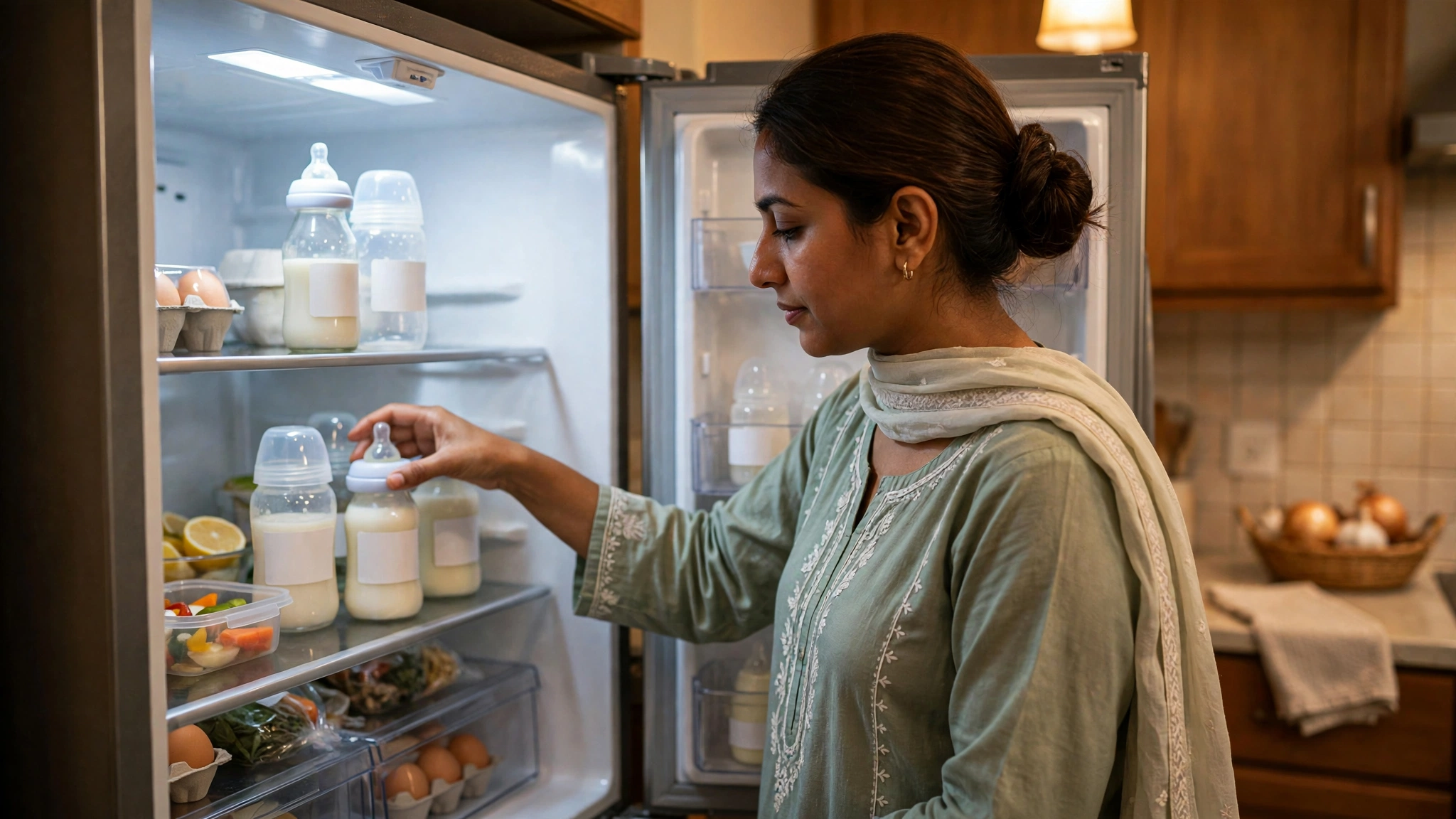
Breast milk storage is safe when you follow the time limit for each place you keep the milk. According to the CDC, freshly expressed milk lasts up to 4 hours at room temperature of 25°C (77°F) or cooler, up to 24 hours in an insulated cooler bag with frozen ice packs, up to 4 days in the fridge, and about 6 months in a freezer (up to 12 months is acceptable). The NHS adds that the small ice compartment inside a fridge keeps milk for about 2 weeks, and that a fridge running warmer than 5°C shortens the fridge limit to 3 days. Because most Pakistani rooms are far hotter than 25°C in summer, the room temperature limit does not really apply here; chill milk straight after pumping. Store it in clean, food-grade glass or BPA-free plastic bottles, or bags made for breast milk, never in ordinary polythene bags, in 60 to 120 ml (2 to 4 oz) portions, labelled with the date, at the back of the fridge, not the door. Thawed milk lasts 24 hours in the fridge, must be used within 2 hours once warmed, and is never refrozen. Never heat it in a microwave.
Expressed milk lets a mother go back to work, rest while someone else feeds the baby, or build a reserve for days when she is unwell. The WHO and UNICEF recommend feeding babies only breast milk for the first 6 months, yet Pakistan’s National Nutrition Survey 2018 found that only about 48% of babies under six months were exclusively breastfed. Safe storage helps more mothers keep going. The trouble is that most storage charts online are written for a cool house with power all day, not a Pakistani home in June with the fridge off for hours during load shedding.
This guide turns the official breast milk storage guidelines from the CDC, the NHS, the Academy of Breastfeeding Medicine and La Leche League into plain rules for that home. It covers the storage times, the honest answer on room temperature in hot weather, the containers that are safe, thawing and warming, a load shedding plan, pumping at work and travel, and how to tell if milk is still good. If you have not chosen a pump yet, start with our guide to manual vs electric breast pumps, which explains which type suits which mother.
Breast Milk Storage Times at a Glance
The table below brings together the main guidelines. Where they differ, the last column gives the stricter, safer choice for Pakistani conditions.
|
Where the milk is kept |
CDC limit |
NHS limit |
Safer choice for a Pakistani home |
|
Room temperature, 25°C (77°F) or cooler |
Up to 4 hours |
Not given |
Up to 4 hours only in a genuinely cool room |
|
Room hotter than 25°C |
Not given |
Not given |
Chill straight away; if you cannot, use within 1 to 2 hours (our cautious suggestion, not an official figure) |
|
Insulated cooler bag with frozen ice packs |
Up to 24 hours |
Up to 24 hours |
Up to 24 hours, only while the packs stay frozen |
|
Fridge at 4°C or colder, back of a shelf |
Up to 4 days |
Up to 8 days at 4°C or lower |
Use within 4 days |
|
Fridge running at 5°C to 10°C |
Not given |
Up to 3 days |
Up to 3 days, or freeze early |
|
Ice compartment inside a fridge |
Not given |
About 2 weeks |
About 2 weeks |
|
Separate freezer or deep freezer at -18°C (0°F) or colder |
About 6 months best, up to 12 months acceptable |
Up to 6 months |
Use within 6 months; oldest first |
Three points explain the table. First, these limits are for healthy full term babies; the Academy of Breastfeeding Medicine’s storage protocol (Protocol #8, revised 2017) is written for them, and premature or ill babies need the hospital’s stricter rules. Second, that protocol calls 4 days in the fridge “optimal” and allows 5 to 8 days only “under very clean conditions,” which is why 4 days is the safer figure for most homes. Third, longer freezing is safe but not perfect: Mayo Clinic notes that milk loses more vitamin C the longer it is stored, which is why 6 months is called “best.”
Room Temperature in a Pakistani Summer: The Honest Answer
The CDC’s 4 hour room temperature limit is for rooms at 77°F, which is 25°C, or colder. The Academy of Breastfeeding Medicine gives 4 hours as the optimal limit for rooms between 16°C and 29°C, and its protocol notes that warmer temperatures are linked to faster bacterial growth in stored milk. From May to September, a normal room in Lahore, Multan or Karachi is often well above 30°C, and no major guideline gives a safe time for milk left out in that heat.
So the honest rule for most of the year is simple: cool milk as soon as it is pumped. Put the capped bottle in the fridge, or in a cooler bag with frozen ice packs, straight away. If the baby will drink it very soon, keep it in the coolest, shaded spot, away from the stove and sun, but do not count on the full 4 hours. In winter, or in an air conditioned room, the CDC’s 4 hour figure is reasonable.
You may also read that milk lasts 6 hours at room temperature (Mayo Clinic) or 6 to 8 hours “under very clean conditions” (Academy of Breastfeeding Medicine). Both assume a cool room. When good sources disagree on a safety limit, choose the stricter one for a baby.
How to Store Breast Milk Step by Step: Containers, Amounts and Labels
Good breast milk storage starts before the fridge: wash your hands before you pump, and use pump parts and bottles that have been washed and dried properly. Then choose the container.
|
Container |
Safe to use? |
Good points |
Watch out for |
|
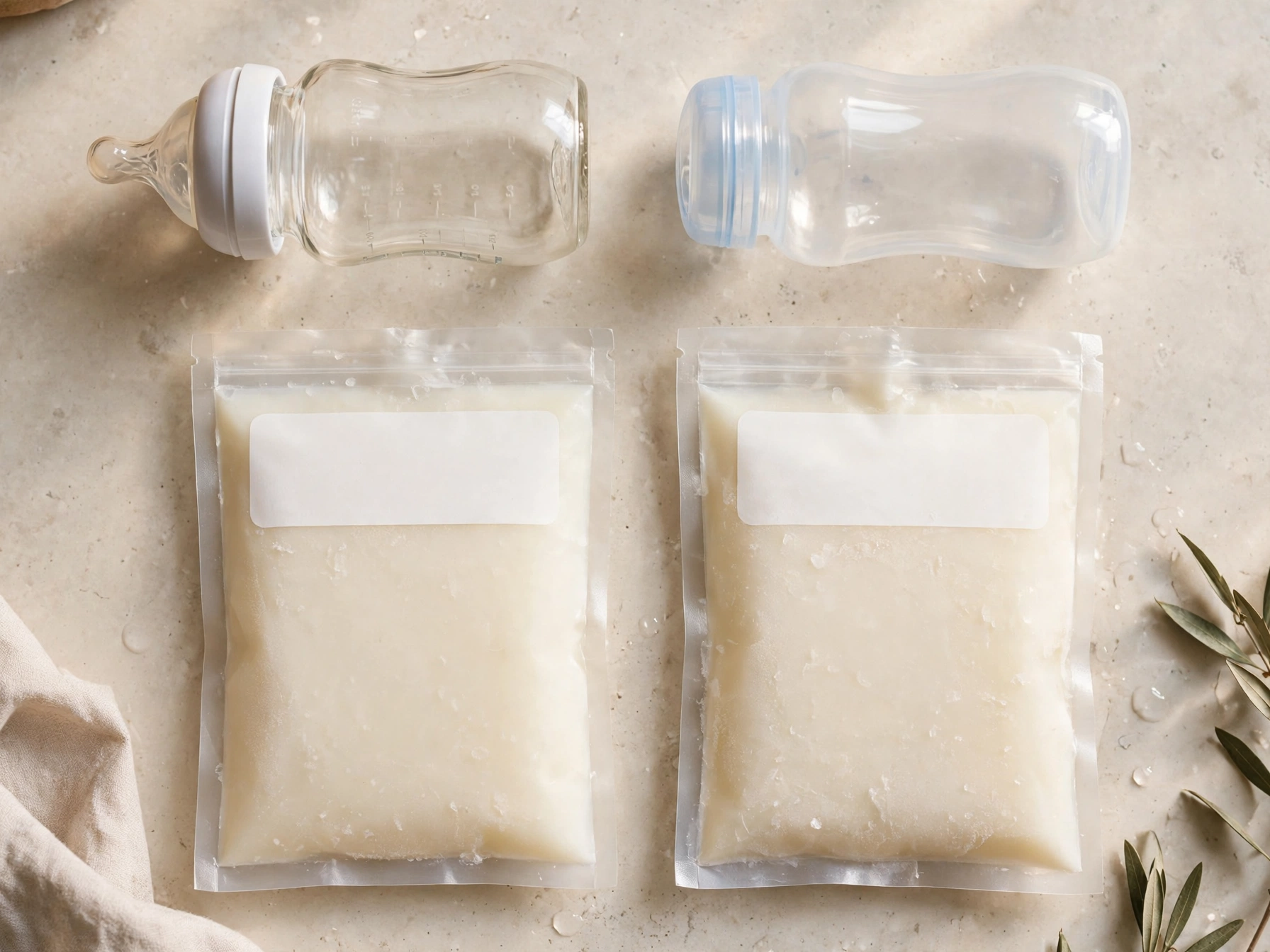
Glass bottle with a tight lid |
Yes |
Easy to clean; reusable for years |
Can break; may crack in the freezer if filled to the top |
|
Hard plastic bottle marked BPA-free, with a tight lid |
Yes |
Light and unbreakable |
Replace scratched or cloudy bottles; the Academy of Breastfeeding Medicine advises avoiding BPA plastics |
|
Bags made for breast milk storage |
Yes |
Take little freezer space; freeze flat, thaw fast |
Single use; can tear, so seal well and keep them in a closed box |
|
Ordinary polythene, shopper or sandwich bags |
No |
None |
The CDC says never use plastic bags not made for breast milk |
|
Disposable bottle liners |
No |
None |
The CDC and Mayo Clinic both say not to use them for storage |
|
Steel tiffin, open cup or bowl |
No |
None |
No tight lid; the Academy of Breastfeeding Medicine cites a study where steel containers lowered living cells in milk |
Then follow the same steps every time.
Portion size. The CDC advises 2 to 4 ounces, about 60 to 120 ml, or one feed’s worth per container. Leftover milk from a feed has to be thrown away, so small portions mean less waste. Mayo Clinic suggests a few extra 30 to 60 ml portions for when the baby wants a little more.
Leave space at the top. Milk expands as it freezes, so the CDC advises leaving about one inch, roughly 2.5 cm, empty in any container going into the freezer.
Label every container with the date it was pumped, using waterproof ink as Mayo Clinic suggests. Add the baby’s name if the milk goes to a day care or a relative’s home.
Place it at the back. The CDC says not to store milk in the fridge or freezer door, because the temperature changes every time it opens. In a joint family home, where the fridge opens many times a day, this matters even more. A closed plastic box on a back shelf also keeps the milk away from raw meat.
Do not add warm milk to cold milk. The CDC advises chilling fresh milk before adding it to cold milk, and not adding fresh milk to frozen milk. When you combine milk from different days, count the storage time from the oldest milk.
Use the oldest first. The CDC calls this “first in, first out.”
Our store does not sell breast milk storage bags or storage bottles at the time of writing, so buy them from a pharmacy or baby shop you trust, and check that the packet says it is made for breast milk.
Thawing, Warming and Leftovers: The Rules That Change Once Milk Is Out
The Academy of Breastfeeding Medicine explains that once frozen milk is brought back to room temperature, its natural ability to slow bacterial growth is reduced, which is why the limits get shorter at every step.
|
Situation |
What to do |
Time limit |
Source |
|
Fresh milk you will use within 4 days |
Fridge, back of the shelf |
Up to 4 days |
CDC |
|
Fresh milk you will not use within 4 days |
Freeze it right away, do not wait until day 3 |
6 months best, 12 months acceptable |
CDC |
|
Thawing frozen milk slowly |
Put it in the fridge overnight |
Use within 24 hours, counted from when it is fully thawed |
CDC, NHS |
|
Thawing frozen milk quickly |
Sealed container in warm water, or under lukewarm running water |
Within 2 hours once at room temperature or warmed |
CDC |
|
Warming milk for a feed |
Optional; warm water only; test on your wrist |
Within 2 hours |
CDC |
|
Milk left in the bottle after a feed |
Do not save it for later |
Within 2 hours of the feed ending, then throw away |
CDC |
|
Fully thawed milk |
Never refreeze |
Not applicable |
CDC, NHS, Mayo Clinic |
|
Microwave or stove |
Never use for thawing or warming |
Not applicable |
CDC, NHS, Mayo Clinic |
Milk does not have to be warm. The CDC says breast milk can be given cold or at room temperature; warming is for the baby’s preference, not for safety. If you warm it, use a bowl of warm, not boiling, water, keep the lid on, and test a few drops on the inside of your wrist. It should feel warm, not hot.
The microwave rule is about burns. The CDC and the NHS both warn that a microwave heats unevenly and creates hot spots that can burn a baby’s mouth even when the bottle feels fine outside. Mayo Clinic adds that rapid heating may affect the milk’s antibodies. The CDC also says not to heat milk directly on the stove.
Separated milk is normal. Stored milk splits into a creamy top layer and a thinner layer below. Swirl the bottle gently to mix the fat back in before the feed.
Load Shedding and Breast Milk Storage: A Practical Plan
Load shedding is the problem foreign storage charts never plan for. The good news is that closed appliances protect milk longer than most families think. According to the CDC, a fridge keeps food cold for about 4 hours if it stays unopened during a power cut, a full freezer keeps food safe for about 48 hours if it stays unopened, and a half full freezer for about 24 hours. The key word every time is unopened.
|
Situation |
What to do with the milk |
Why |
|
Normal 1 to 2 hour cut |
Keep fridge and freezer doors shut |
A closed fridge stays cold about 4 hours (CDC) |
|
Cut expected to last over 4 hours |
Move fridge milk into a cooler with frozen ice packs |
Up to 24 hours in a cooler with frozen packs (CDC) |
|
Frozen milk during a long cut |
Keep the freezer shut; fill gaps with frozen ice packs or water bottles |
Full freezer about 48 hours, half full about 24 (CDC) |
|
Power returns; milk still has ice crystals |
Leave it in the freezer |
The CDC says such milk can be refrozen |
|
Power returns; milk fully thawed but still cold |
Fridge it and use within the next day, or throw it away |
CDC |
|
Milk is warm, or you are not sure how long it was out |
Throw it away |
No guideline supports feeding it |
|
Fridge often runs warm because of daily cuts |
Use within 3 days; freeze the rest early |
NHS limit for a 5°C to 10°C fridge |
|
You have a UPS, inverter or solar backup |
Run the fridge on it; ask an electrician if your unit can handle the load |
Steady cooling beats any work around |
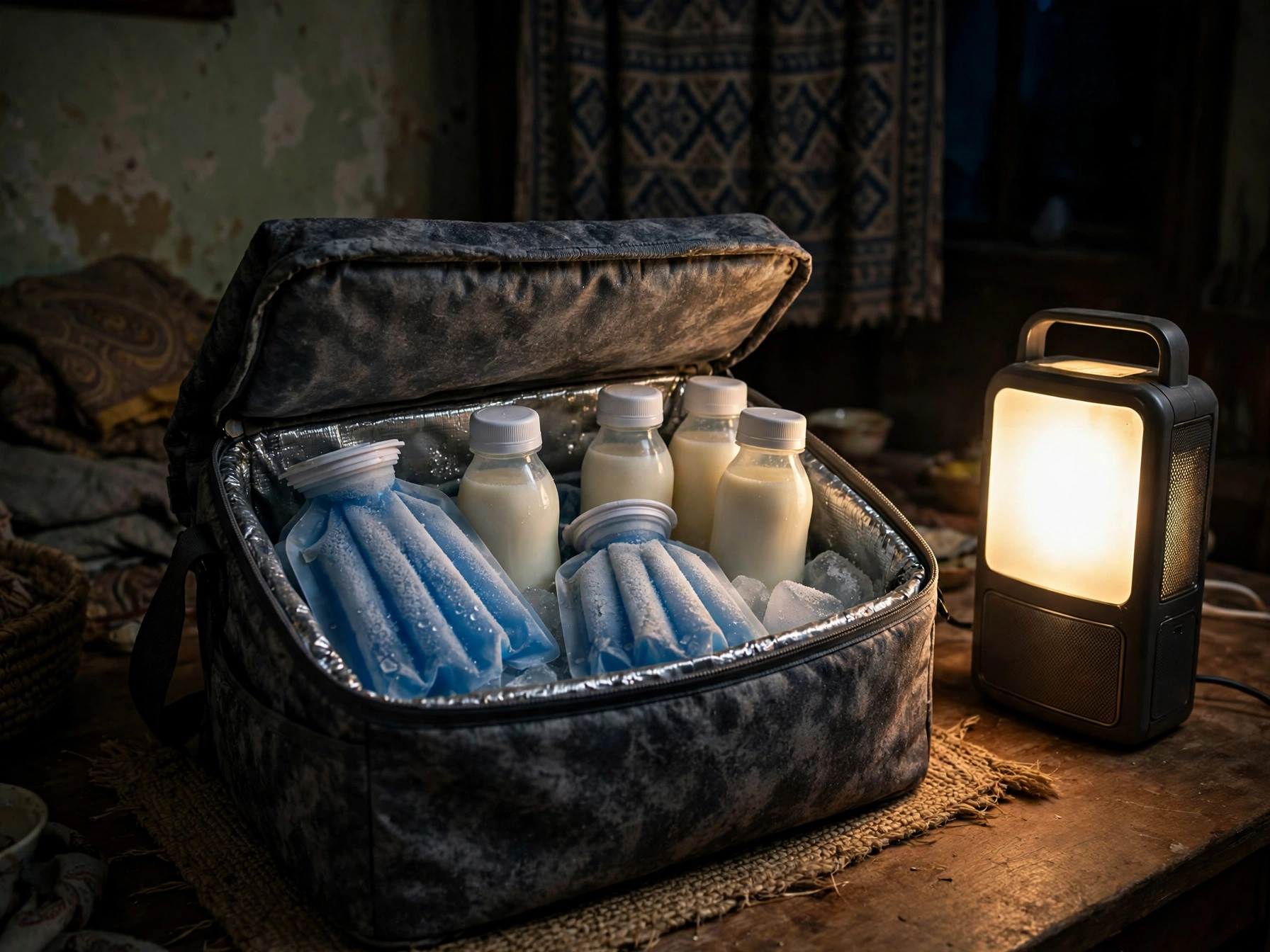
Two habits make this easier. Keep two or three ice packs, or bottles of water, frozen at all times so they are ready when a long cut starts. And on days with long scheduled cuts, freeze milk earlier rather than leaving it in a fridge that will be off for hours. A simple fridge thermometer also helps: it tells you whether your fridge really stays at 4°C or below, which decides whether the 4 day or the 3 day limit applies to you.
Working Mothers and Travel: Keeping Milk Cold Away From Home
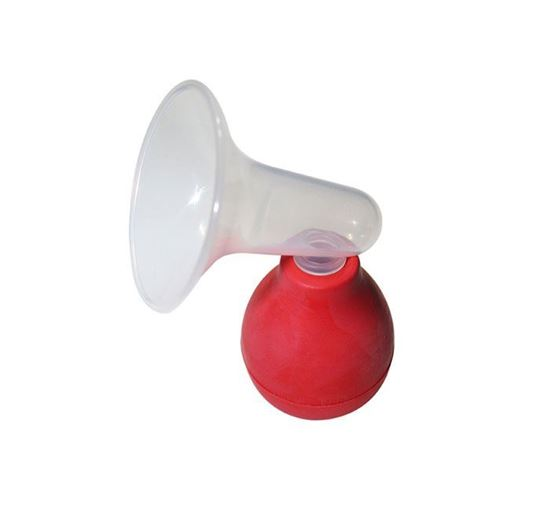
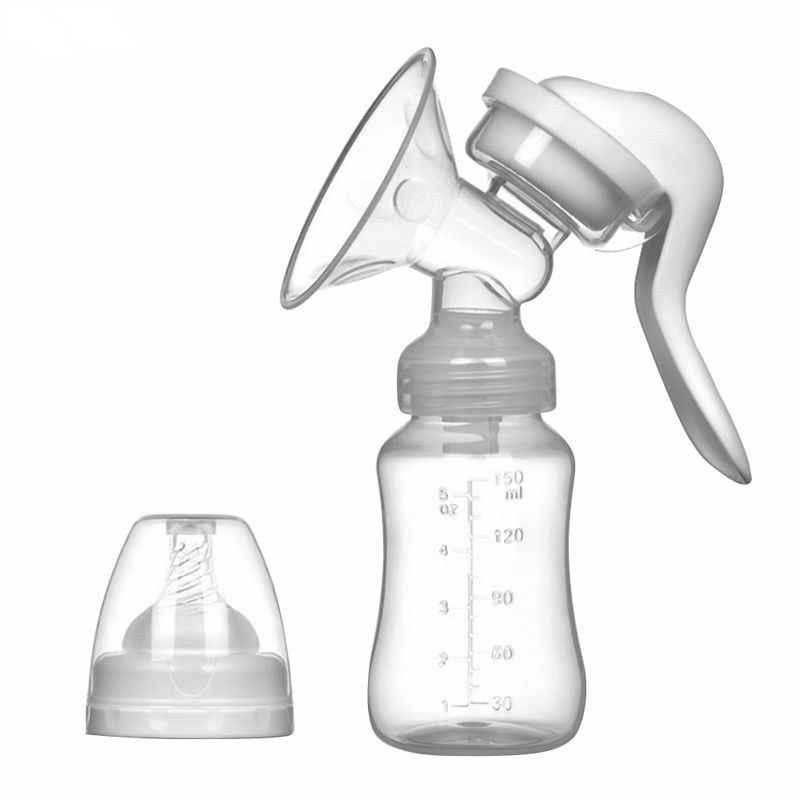
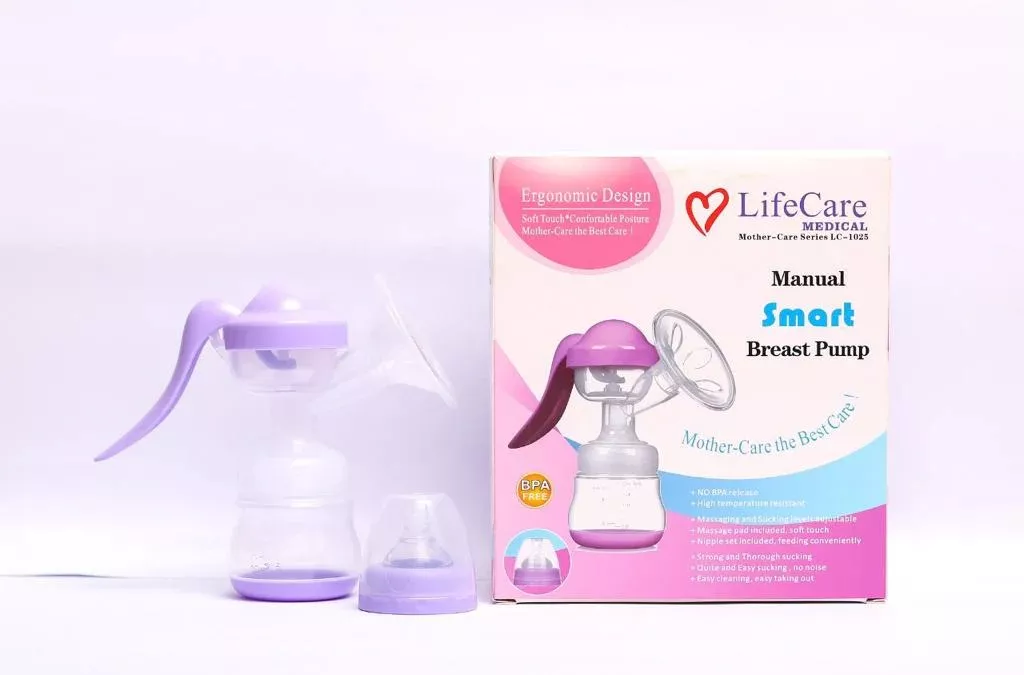
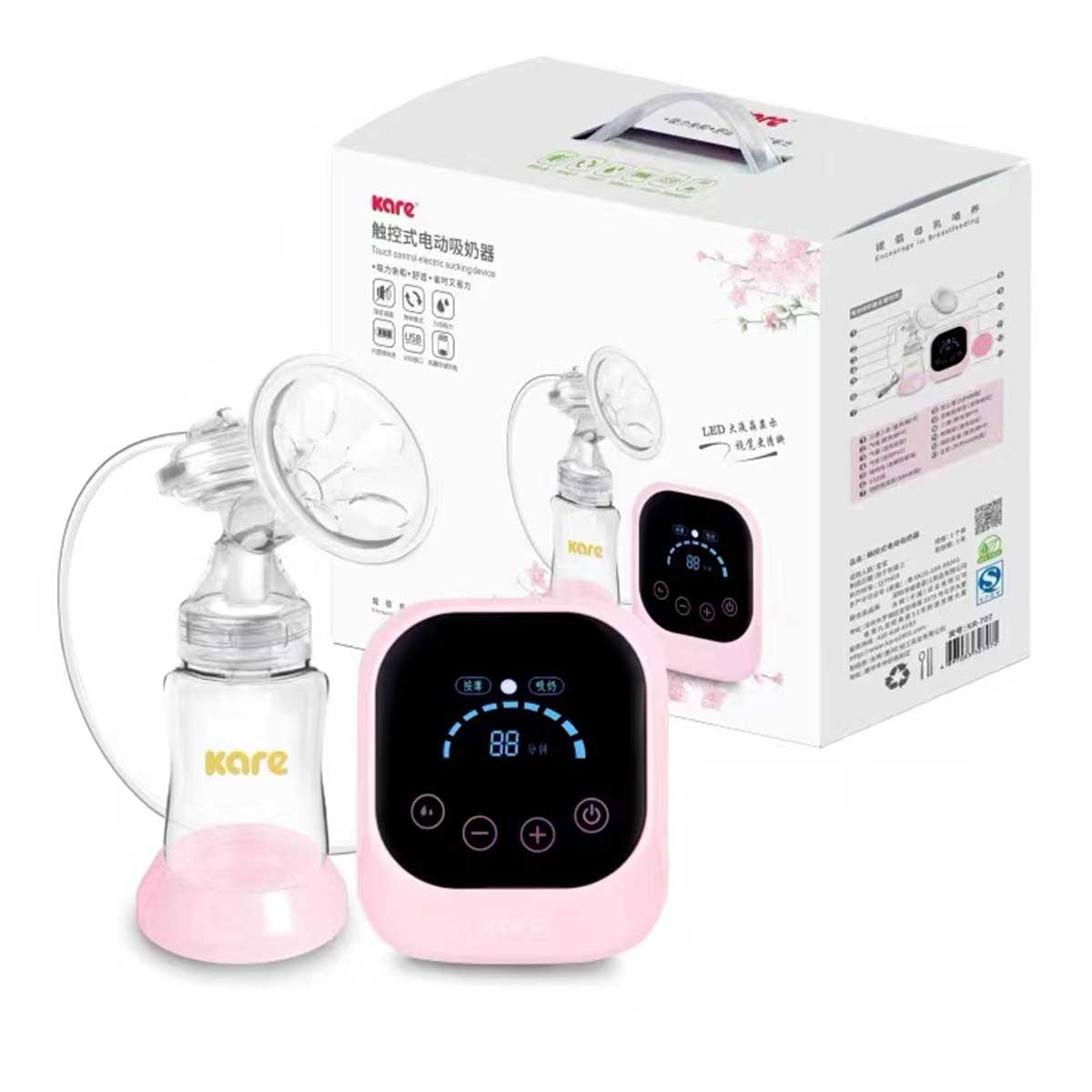
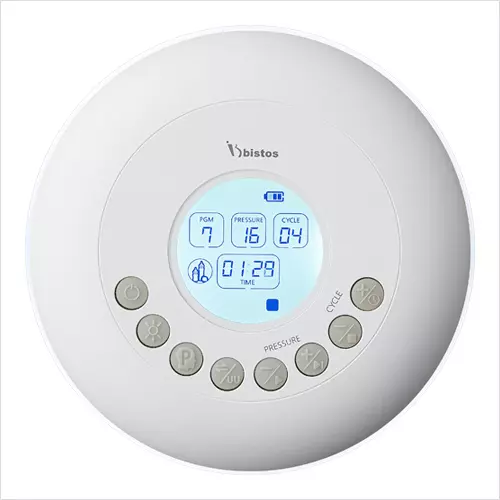
For a mother going back to an office, a school, a hospital shift or a factory floor, breast milk storage becomes a daily routine. The pump matters here. A small manual pump is enough for one or two sessions a day, while a mother pumping two or three times during a full working day will usually be more comfortable with an electric pump. On our own store at the time of writing (October 2026), the breast pump range runs from a basic portable manual pump at Rs 400, a manual breast pump at Rs 2,000 and the Lifecare single manual breast pump at Rs 3,000, up to a digital single electric pump at Rs 5,500, the Bistos BT-100S electric pump from Korea at Rs 18,500 and the hospital grade Bistos BT-150 at Rs 25,000.
Breast Pumps We Stock
From a basic portable manual pump to hospital grade electric pumps, for one or two sessions a day or for pumping through a full working day.
A simple working day plan:
Before you leave. Pack two frozen ice packs and clean, labelled bottles in an insulated cooler bag.
At work. Wash your hands, pump, cap the bottle and put it straight into the cooler bag or the office fridge, in a closed, labelled box at the back. Do not leave it on your desk under a fan.
On the way home. Keep the bag closed and out of the sun. A bag on the back seat of a car or rickshaw in July warms up fast.
At home. Fridge the milk if it will be used within 4 days; otherwise freeze it that evening.
For longer journeys, the CDC’s 24 hour cooler limit applies only while the ice packs stay frozen, so on a summer road trip carry extra packs in a second bag. When you arrive, the CDC advises using the milk right away, putting it in the fridge, or freezing it.
Is My Stored Breast Milk Still Good?
Smell and look are useful, but they are not the main safety test. The main test is time and temperature: milk kept within the limits in this guide is safe to feed, and milk that has gone past them should be thrown away even if it looks and smells fine. With that in mind, here is what is normal and what is not.
|
What you notice |
Is it normal? |
What to do |
|
Creamy top layer and thin lower layer |
Yes |
Swirl gently; the CDC and La Leche League call this normal |
|
Colour changes from day to day |
Yes |
Mayo Clinic says colour can change with your diet |
|
Thawed milk smells or tastes soapy |
Usually yes |
An enzyme called lipase breaks down fat in stored milk; La Leche League says it is still safe and most babies drink it |
|
Baby keeps refusing soapy thawed milk |
Common |
La Leche League suggests heating fresh milk until small bubbles form at the edge, without boiling, then cooling and freezing it; Mayo Clinic suggests shorter storage |
|
Clearly sour or rotten smell, like spoiled cow’s milk |
No |
Throw it away |
|
Lumps that will not mix back in after gentle swirling |
No |
Throw it away |
|
Past its time limit, or unknown time out |
No |
Throw it away, even if it seems fine |
|
Cracked, leaking or open container |
No |
Throw it away |
Premature, ill and NICU babies need stricter rules. La Leche League says these families should use more conservative guidelines, and the NHS says to ask the hospital staff caring for your baby. If your baby is in a neonatal unit, follow the unit’s instructions on containers, labels, transport and storage times exactly, even when they are stricter than what you read online.
Any baby with repeated vomiting, diarrhoea, fewer wet nappies, unusual sleepiness, poor feeding or a fever should be seen by a doctor promptly, whatever the cause. Our guide to the normal body temperature range explains what counts as a fever at each age. And if you are still pregnant and planning ahead, our guide on how a fetal doppler works covers another device many families buy in the same months.
Frequently Asked Questions
How long can breast milk stay in the fridge?
According to the CDC, freshly expressed milk can stay at the back of the fridge for up to 4 days. The NHS allows up to 8 days at 4°C or colder, but only 3 days if the fridge runs between 5°C and 10°C. In Pakistani homes with frequent power cuts, 3 to 4 days is the safer limit; freeze anything you will not use by then.
Can I refreeze breast milk after load shedding?
It depends on how far it thawed. The CDC says frozen milk that has started to thaw but still contains ice crystals can be refrozen. Milk that has fully thawed but is still cold should go into the fridge and be used within the next day, or thrown away. Milk that has fully thawed and warmed up should be thrown away.
Breast milk kaise store karein agar ghar mein fridge na ho?
Without a fridge, keep the milk in a clean, tightly closed bottle inside an insulated cooler bag with frozen ice packs, which the CDC says keeps milk for up to 24 hours while the packs stay frozen. In a hot room without any cooling, feed the milk as soon as possible. Ask a neighbour or relative with a freezer to refreeze your ice packs daily.
Can I store breast milk in a normal plastic bag?
No. The CDC says never to store breast milk in disposable bottle liners or plastic bags that are not made for breast milk. Use clean glass or BPA-free plastic bottles with tight lids, or storage bags made specifically for breast milk. Ordinary polythene bags are thin, leak easily and are not made for food storage at freezer temperatures.
Can I warm breast milk in the microwave?
No. The CDC, the NHS and Mayo Clinic all advise against it. A microwave heats unevenly and can create hot spots that burn a baby’s mouth, and rapid heating may affect some of the milk’s protective antibodies. Stand the sealed bottle in a bowl of warm water instead, swirl it, and test a few drops on your wrist before feeding.
