- Your cart is empty
- Continue Shopping


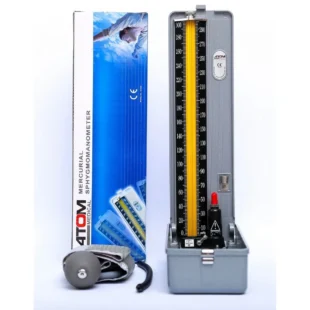
A sphygmomanometer is still the reference tool for measuring blood pressure. Our BP Mercury & Aneroid Sphygmomanometer range covers mercury column units, palm models, desk models and wall-mounted units for clinics, hospitals and home use across Pakistan.
A manual unit has three parts: an inflatable cuff, a bulb with a release valve, and a gauge. You inflate the cuff, release the pressure slowly, and listen through a stethoscope for the Korotkoff sounds that mark systolic and diastolic pressure. Because the reading depends on the listener, a manual set is best suited to trained users. If you need a device for use at home without training, see our Digital Blood Pressure Monitor category instead.
Mercury units read pressure from a liquid column and are valued for stable accuracy, since there is no spring mechanism to drift. The trade-off is weight, fragility and the handling rules that come with mercury; many countries are phasing these devices out. The BP Mercury Atom Sphygmomanometer remains a common choice where a column unit is preferred.
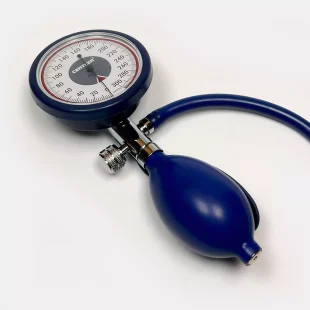
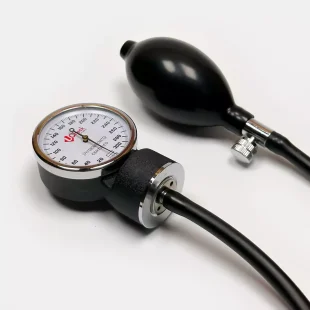
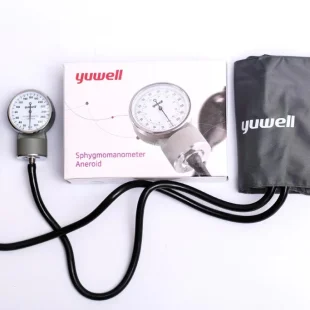
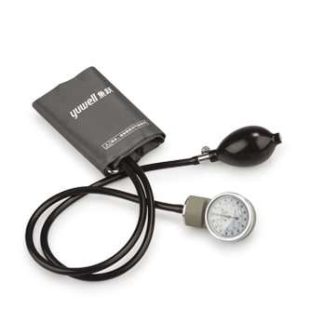
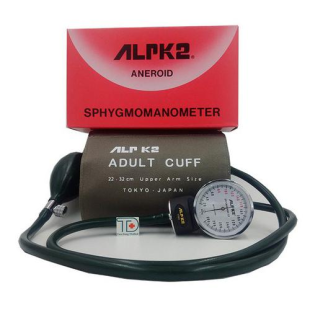
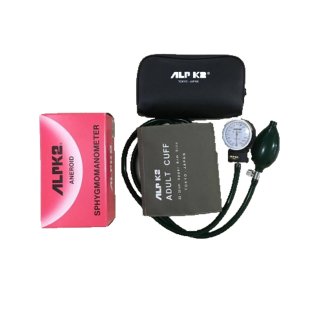
Aneroid units use a mechanical dial instead. They are lighter, portable and safer to carry between wards, but the internal spring can lose calibration after knocks, so periodic checking matters. Popular options include the ANEROID BP Apparatus ALP K2 and the Yuwell Aneroid Sphygmomanometer.
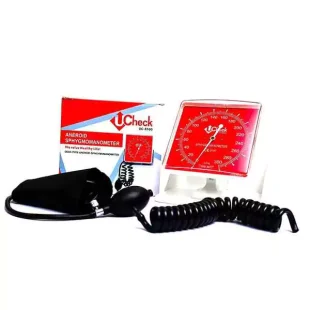
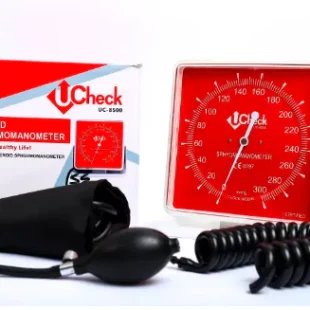
Palm-type units such as the Certeza Palm Type BP Aneroid 1006 sit in one hand and suit doctors doing rounds or home visits. Desk models stay on a table in a consultation room. Wall-mounted units keep the gauge at eye level in a busy ward and cannot be misplaced — see the U Check Wall Mounted BP Aneroid and the Carevision Wall Type Aneroid Sphygmomanometer.
An undersized cuff over-reads and an oversized cuff under-reads, so the cuff should cover roughly 80% of the arm circumference. Keep a large adult cuff for heavier patients and a paediatric cuff for children rather than forcing one size on everyone.
A manual set only works as well as the stethoscope used with it. A dual-head model gives you a diaphragm for routine readings and a bell for low-frequency sounds. Browse the matching options in our Stethoscope category.
Store the cuff loosely rolled, avoid dropping the gauge, and check that an aneroid dial rests at zero before inflating. Have aneroid units verified against a reference device periodically. Inspect tubing for cracks, since a leak makes the pressure fall too fast to read reliably.
Blood pressure is one of several readings worth tracking. Add a Pulse Oximeter for oxygen saturation, a Glucometer for blood sugar, or explore the full Home Care Products range. Order online with delivery across Pakistan.