- Your cart is empty
- Continue Shopping


Can You Treat Sleep Apnea Without a CPAP Machine?
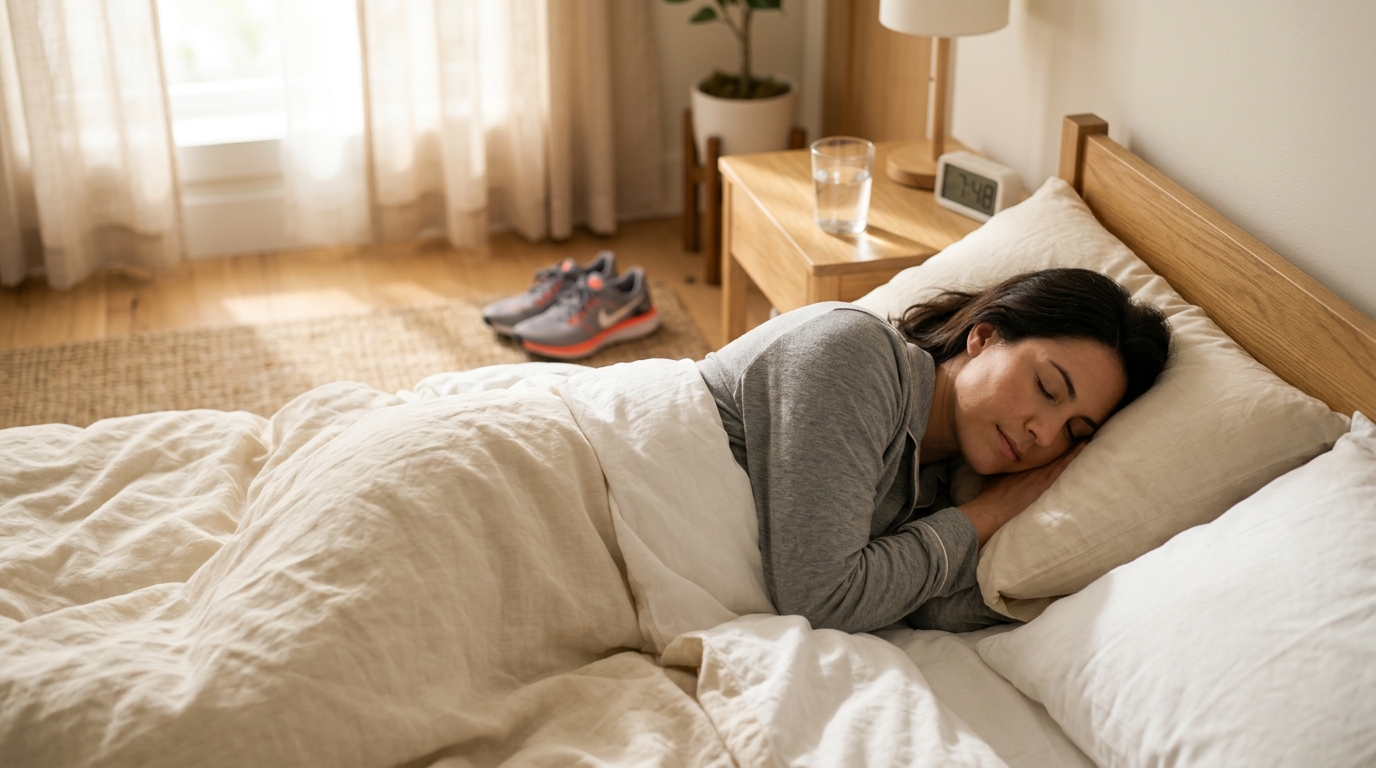
Quick answer: Some people with mild sleep apnea can reduce or even resolve it without CPAP, mainly through weight loss, sleeping on the side, and avoiding alcohol before bed. There is no proven natural cure for moderate to severe sleep apnea. If yours is more than mild, you still need treatment, whether that is CPAP, an oral appliance, or another option a doctor recommends.
Let us be honest from the start, because your health is not the place for false promises. Many people search for a way to fix sleep apnea without a CPAP machine, and the internet is full of miracle cures that do not hold up. The real answer is more nuanced. Some cases genuinely improve with lifestyle changes. Others absolutely do not, and skipping treatment for those cases is dangerous. This article gives you the truth, not the sales pitch.
First, why CPAP is the standard
CPAP became the standard treatment for a reason. It works reliably for obstructive sleep apnea by holding the airway open, and decades of research back it. When people say they want to avoid it, the reason is almost always comfort, not effectiveness. That is a fair concern, and there are real alternatives worth discussing. But it helps to know what you are weighing them against. If comfort is the issue, sometimes a different mask from the respiratory care equipment range or a gentler pressure setting solves the problem without giving up the therapy altogether.
Can you really treat sleep apnea without CPAP?
The honest answer depends on how severe your apnea is. A sleep study grades it using the number of breathing pauses per hour. Mild apnea sometimes responds well to lifestyle changes alone, and a few people see it disappear. Moderate and severe apnea rarely resolve on their own, and trying to manage them with home remedies usually means living with the damage of untreated apnea. So the first step is not a remedy. It is knowing your number, which only a proper diagnosis gives you.
Lifestyle changes that genuinely help
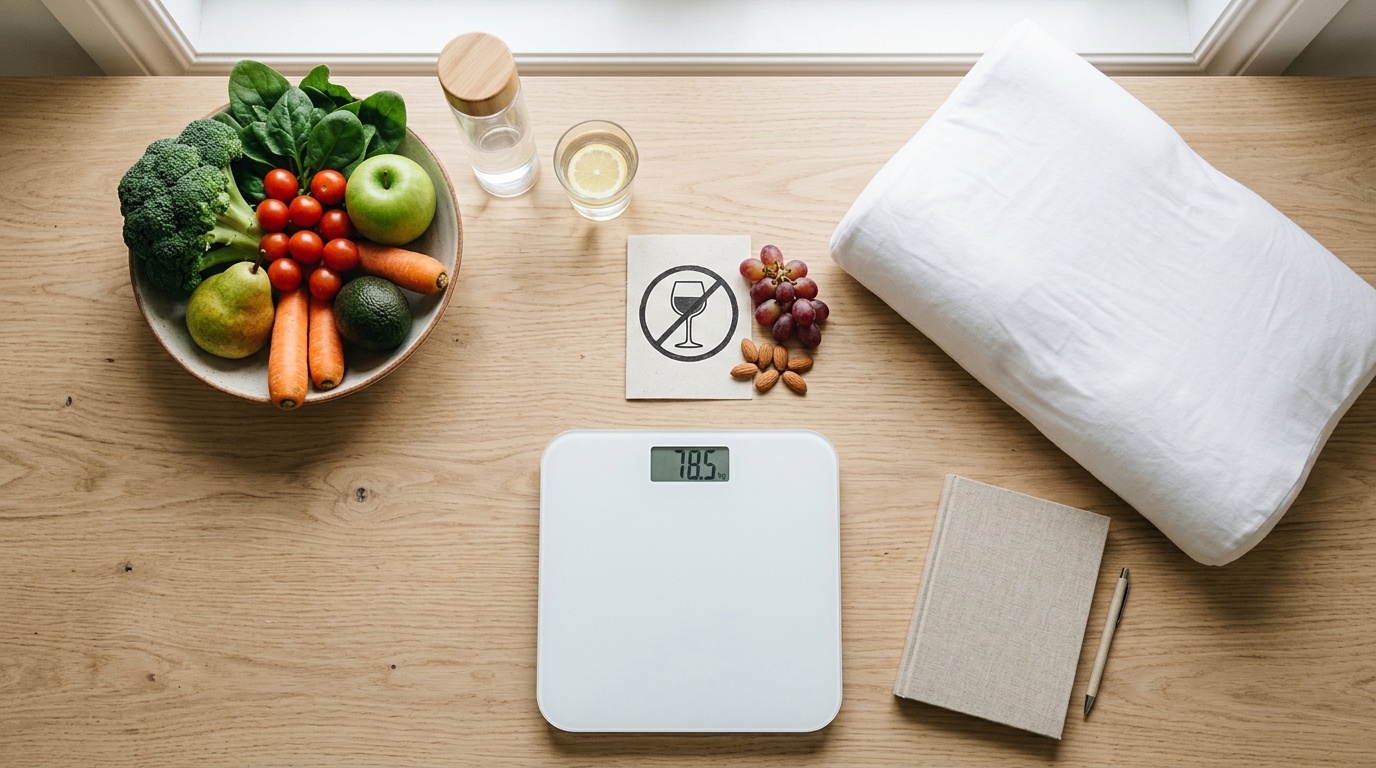
These are the changes with real evidence behind them. They are most powerful in mild cases and as a support to other treatment in worse cases. None of them is a guaranteed cure, but together they can make a meaningful difference, and in mild apnea they sometimes remove the need for a CPAP or BiPAP machine entirely.
- Lose excess weight. This is the single most effective lifestyle change. Fat around the neck and throat narrows the airway, and losing weight can sharply reduce apnea, sometimes resolving mild cases.
- Sleep on your side. For many people apnea is far worse on the back. Side sleeping alone can cut the number of breathing pauses, especially in positional apnea.
- Avoid alcohol and sedatives at night. They relax the throat muscles and make collapse more likely. Cutting evening alcohol is one of the quickest wins.
- Stop smoking. Smoking inflames and swells the upper airway, which worsens apnea over time.
- Treat nasal congestion. A blocked nose forces mouth breathing and worsens apnea. Managing allergies or congestion can help.
Medical alternatives to CPAP
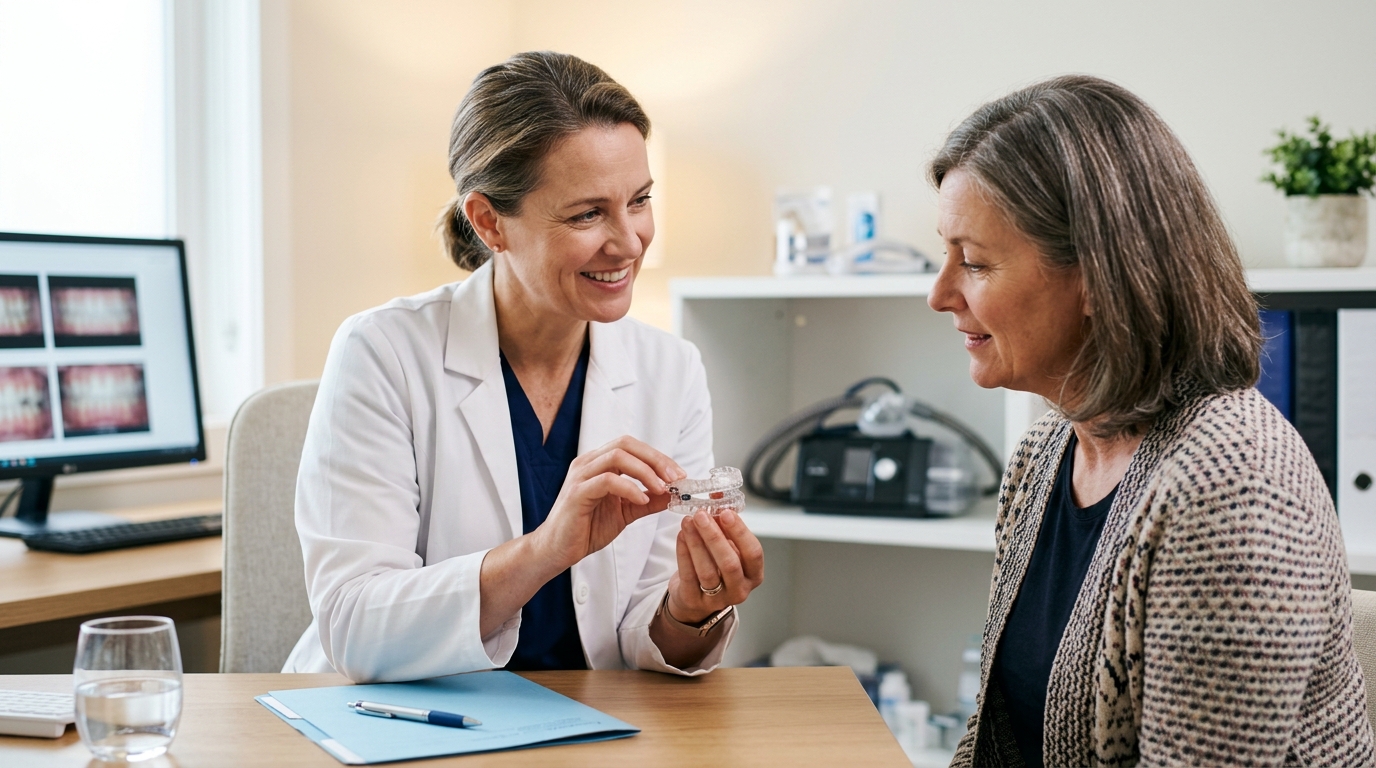
If you want to avoid CPAP but your apnea is more than mild, these are the real options to raise with a doctor. They are not home remedies, they are recognised treatments. A custom oral appliance, fitted by a dentist, gently moves the lower jaw forward to keep the airway open, and it suits many mild to moderate cases. Positional therapy uses devices that stop you rolling onto your back. For some people a comfortable CPAP mask or a switch to a bilevel or auto adjusting machine fixes the comfort problem that made them want to quit in the first place. In selected cases surgery on the nose, throat, or jaw is an option, and newer nerve stimulation implants exist for specific patients. A doctor matches the option to your anatomy and severity.
What does not work, and be careful here
Plenty of products are sold to people desperate to avoid CPAP, and many are a waste of money or worse. Most over the counter anti snoring sprays, pills, and magnetic gadgets have no good evidence for treating actual sleep apnea. Stopping snoring is not the same as stopping apnea. Some throat and tongue exercises, sometimes called myofunctional therapy, have modest evidence and may help a little in mild cases, but they are a support, not a substitute for real treatment. Be very wary of anything that promises to cure sleep apnea quickly and naturally. If it sounds too good to be true, it is.
When you must not skip treatment
This is the part no honest article can leave out. Untreated moderate to severe sleep apnea is not just tiring, it raises the risk of high blood pressure, heart disease, stroke, type 2 diabetes, and dangerous daytime sleepiness behind the wheel. Choosing to go without treatment because a device is inconvenient is a serious gamble with your health. If lifestyle changes are not enough, or your apnea is moderate or severe, you need an effective treatment, full stop. For those who need pressure support but struggle with standard CPAP, a BiPAP machine or an auto adjusting model is often the comfort solution, not abandoning therapy. Talk to your doctor, get a sleep study if you have not had one, and make the decision with real information.
Medical disclaimer: This article is for general information only and is not a substitute for professional medical advice. Sleep apnea and its treatment must be assessed by a qualified doctor. Do not start, stop or change any therapy without talking to your physician.
Frequently Asked Questions
Can sleep apnea be cured naturally?
Mild cases sometimes resolve with weight loss and side sleeping. Moderate to severe sleep apnea has no proven natural cure and needs medical treatment.
What is the best alternative to CPAP?
For mild to moderate cases, a custom oral appliance from a dentist is the most common alternative. The right choice depends on your severity and anatomy.
Does losing weight cure sleep apnea?
It can greatly reduce it and may resolve mild cases. In moderate to severe apnea it helps but usually does not remove the need for treatment.
Are anti snoring devices the same as treating apnea?
No. Stopping snoring does not mean the airway is staying open. Most anti snoring gadgets do not treat the apnea itself.
Is it dangerous to leave sleep apnea untreated? Yes. Untreated moderate to severe apnea raises the risk of heart disease, stroke, high blood pressure and accidents from daytime sleepiness.
