- Your cart is empty
- Continue Shopping


What Does the Litre Flow Rate on an Oxygen Concentrator Mean
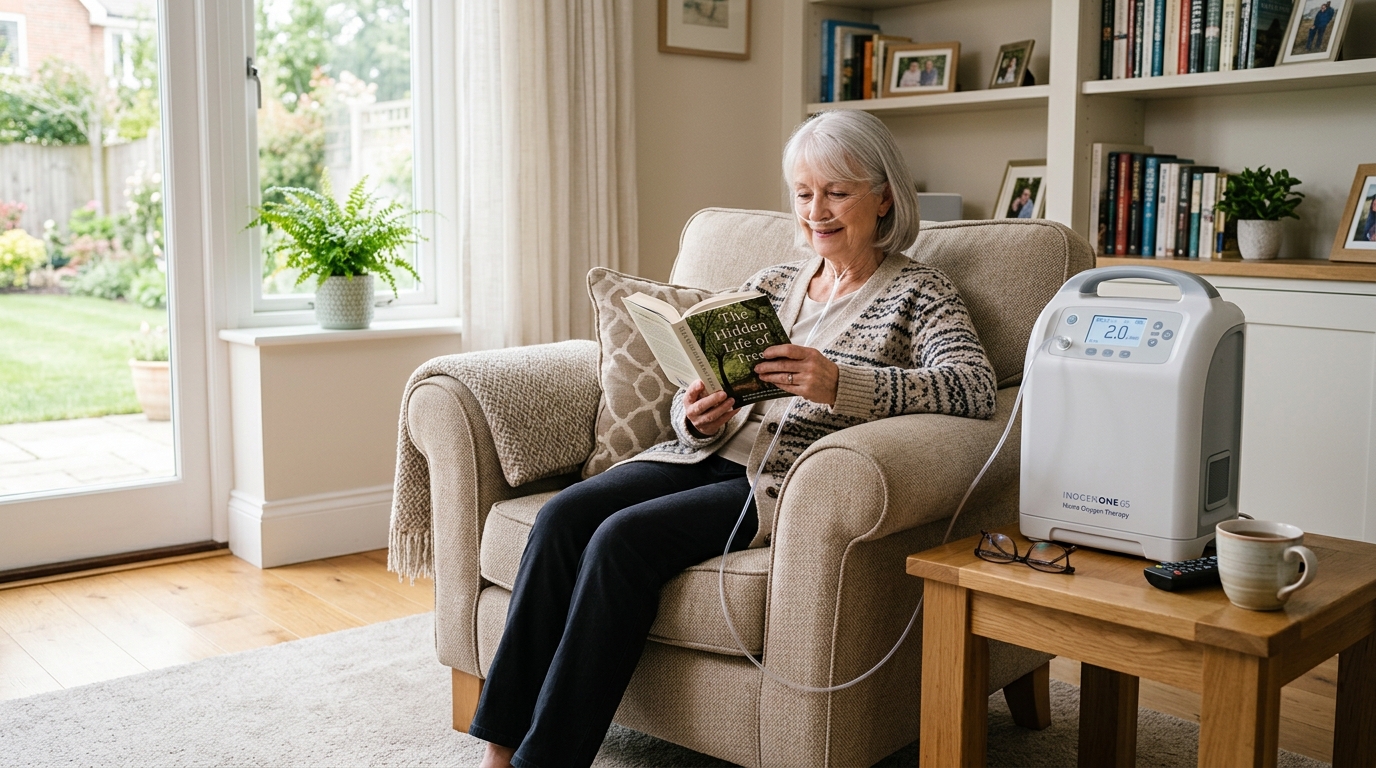
If you or a family member has recently started using an oxygen concentrator, you have probably noticed a small dial or digital display showing a number in LPM. This number is the litre flow rate, and understanding it is one of the most important parts of using the device safely and effectively. Many first time users assume a higher number always means better treatment, which is not correct and can actually be unsafe. In this guide we will explain exactly what the litre flow rate means, how it relates to the oxygen you actually receive, how to set it correctly, and how to use an oxygen concentrator at home with confidence.
What Litre Flow Rate Actually Means
Litre flow rate, usually written as LPM or liters per minute, refers to the volume of gas the concentrator pushes out through the nasal cannula or mask every minute. It is a measure of volume, not a measure of oxygen purity or concentration. A concentrator set at two LPM is delivering two liters of gas per minute to you, and a concentrator set at five LPM is delivering five liters per minute. This number is set by your doctor based on your specific respiratory needs, blood oxygen levels, and the results of tests such as a pulse oximetry reading or arterial blood gas test.
It helps to think of the flow rate as similar to a tap. Turning the tap further open increases how much water comes out per minute, but it does not necessarily change how clean or pure that water is. In the same way, increasing the LPM on your concentrator increases the volume of oxygen enriched air delivered to you, which is what actually raises your blood oxygen levels over time, particularly at higher settings.
How Flow Rate Relates to Oxygen Purity
Oxygen concentrators work by pulling in room air, which is roughly twenty one percent oxygen, and filtering out nitrogen and other gases to produce air that is around ninety percent or higher in oxygen concentration. Most home concentrators are designed to maintain this high purity level across a specific range of flow settings, commonly between one and five LPM for standard devices, or up to ten LPM for high flow models. Some devices show a slight drop in oxygen purity at the very highest flow settings, which is why doctors and device manufacturers usually specify a maximum recommended flow rate for each unit.
This is an important distinction. The concentration of oxygen in the air being delivered and the volume of that air being delivered are two different things, and both matter. A patient who needs more oxygen overall usually needs a higher flow rate, but simply turning the dial up without medical guidance can be ineffective at best and unsafe at worst, especially for patients with certain lung conditions where too much oxygen can suppress the natural drive to breathe.
Typical Flow Rate Ranges for Different Needs
Flow rates vary significantly based on the individual and their condition. Many patients using oxygen therapy for mild to moderate needs are prescribed somewhere between one and three LPM, often during sleep or specific activities. Patients with more significant respiratory conditions, such as advanced COPD or certain lung diseases, may be prescribed higher rates, sometimes up to five LPM or more on a continuous basis. Pediatric and neonatal patients typically require much lower flow rates, often under one LPM, since their smaller lungs need far less volume.
It is worth noting that home concentrators and portable units sometimes differ in their maximum output and delivery method. If you are unsure which type of oxygen concentrator suits your prescribed flow rate and lifestyle, it is worth comparing the available models before making a purchase, since not every device supports every flow rate range.
How to Use an Oxygen Concentrator Correctly
Using an oxygen concentrator correctly starts well before you turn the flow dial. First, place the unit in a well ventilated area, at least a few feet from walls or curtains, and away from open flames or smoking materials, since oxygen supports combustion. Connect the nasal cannula or mask securely to the outlet port, checking that the tubing is not kinked or blocked anywhere along its length. Switch the device on and allow it a few minutes to reach full oxygen purity before use, since most concentrators need a brief warm up period.
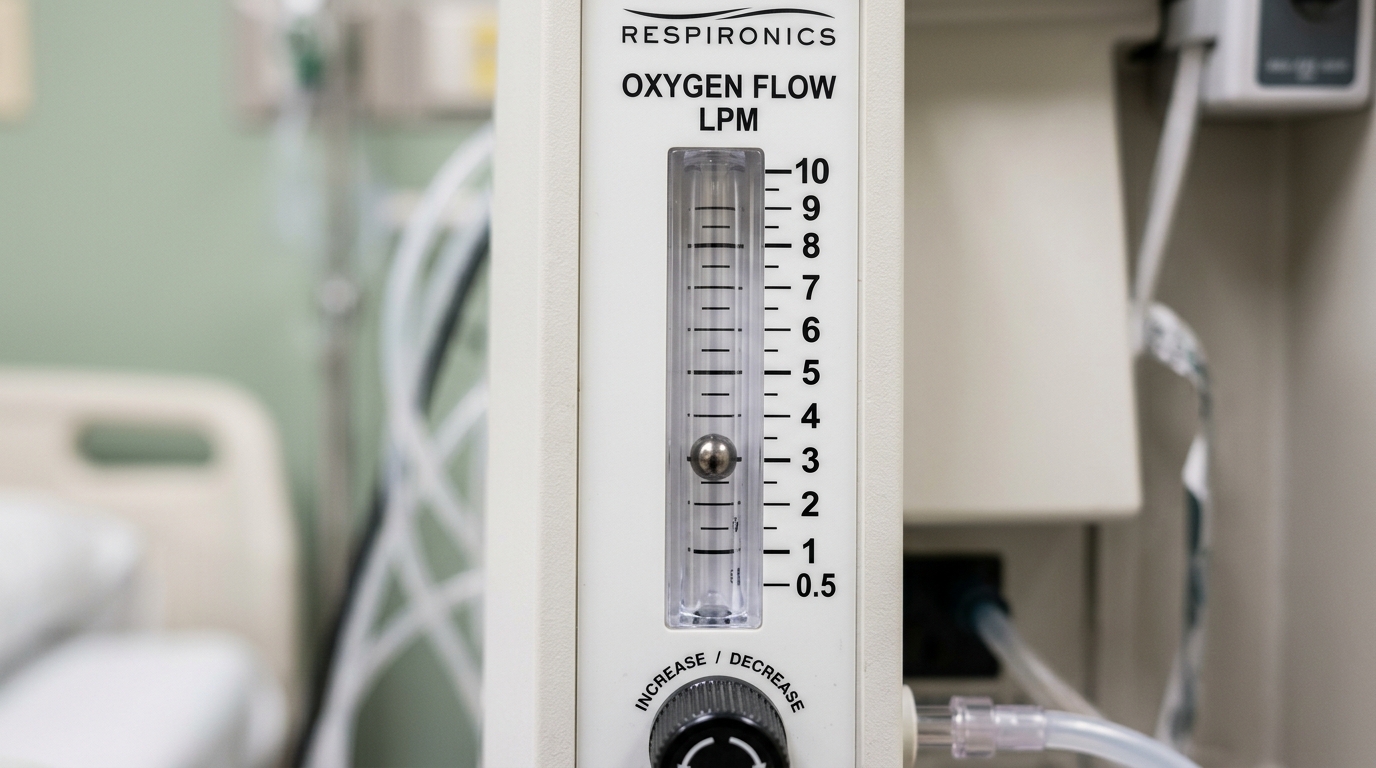
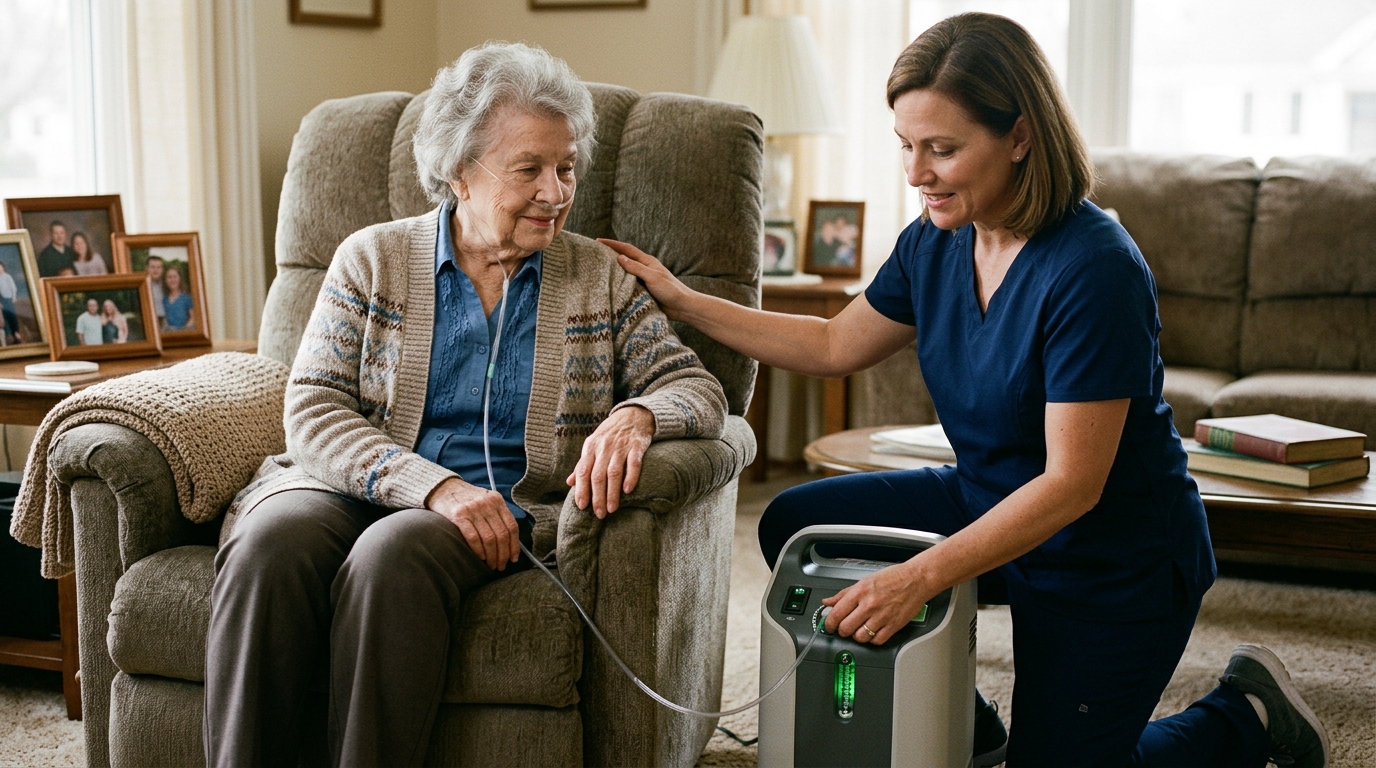
Once the device is running, set the flow rate to the exact number prescribed by your doctor, not a number you feel might work better. The flow meter typically has either a ball style indicator that you align with the correct marking, or a digital display you adjust with buttons. Position the cannula comfortably in your nose or the mask over your nose and mouth, and check that you can feel a gentle, steady flow of air. Many devices include an alarm system that alerts you to power loss, low flow, or filter issues, so familiarize yourself with what these alerts sound and look like before you rely on the device overnight.
Reading Your Oxygen Concentrator Display Correctly
Modern concentrators generally show flow rate in one of two ways. Older analog models use a clear tube with a small floating ball, and you read the flow rate at the center of the ball, not the top or bottom edge, since this is the point manufacturers calibrate the markings against. Digital models display the number directly on a screen, often alongside other information such as oxygen purity percentage, total run hours, and battery status on portable units. It is worth spending a few minutes with the device manual when you first receive your concentrator, since the exact button sequence for adjusting flow rate varies between brands and models, and knowing this in advance avoids fumbling with settings when you actually need to make a change under your doctor’s instruction.
How Flow Rate Prescriptions Are Determined
Doctors do not choose a flow rate arbitrarily. The process usually starts with a pulse oximetry reading, a simple clip on sensor that measures the oxygen saturation in your blood without needing a needle. If readings stay consistently low, a doctor may order a more detailed arterial blood gas test, which gives a precise picture of both oxygen and carbon dioxide levels. Based on these results, along with your specific diagnosis, activity level, and how you respond during a walk test or overnight monitoring, the doctor arrives at a flow rate designed to keep your blood oxygen within a safe target range, often above ninety percent saturation for most patients, though this target can differ for certain lung conditions.
This is also why flow rate prescriptions are sometimes different for rest compared to activity or sleep. Blood oxygen levels can drop during physical exertion or during sleep for reasons unrelated to how much oxygen you are receiving while sitting still, so a doctor may prescribe two or three different settings depending on what you are doing at the time.
Continuous Flow Compared to Pulse Dose Delivery
Not all oxygen concentrators deliver oxygen the same way. Continuous flow devices, which are the most common type for home use, release a steady stream of oxygen at your set LPM regardless of whether you are inhaling or exhaling. Pulse dose devices, more common in portable units, sense the start of each inhale and deliver a measured burst of oxygen only during that moment, which conserves battery life and oxygen supply. If your prescription specifies a continuous flow rate, it generally cannot be directly converted to an equivalent pulse dose setting without your doctor confirming the correct equivalent, since the two delivery methods are not interchangeable on a one to one basis.
Common Mistakes When Setting Flow Rate
One of the most frequent mistakes is adjusting the flow rate based on how a person feels rather than following the prescribed setting, since shortness of breath can have many causes beyond oxygen levels, and self adjusting can mask a problem that needs medical attention. Another common mistake is assuming a single flow rate works for all situations, when in fact many patients are prescribed different rates for rest, activity, and sleep. Failing to check the cannula for kinks or blockages can also silently reduce the effective flow rate, even when the machine display shows the correct number. Finally, some users forget that flow rate settings can drift slightly on older devices, which is why regular checks with a follow up appointment or a home pulse oximeter are recommended.
Why Correct Flow Rate Matters
Getting the flow rate right is not just about comfort. Too little oxygen means your blood oxygen saturation may stay lower than it should, which can strain your heart and other organs over time. Too much oxygen, particularly in certain chronic lung conditions, can suppress the body’s natural signal to breathe and lead to a dangerous buildup of carbon dioxide. This is exactly why flow rate is a medical decision, not a personal preference, and why comparing an oxygen concentrator versus oxygen cylinder or any other equipment decision should always start with your prescribed flow requirement rather than the other way around.
Traveling or Moving Your Concentrator Between Rooms
Many households move a concentrator between rooms throughout the day, and this is generally fine as long as a few basics are respected. Always switch the device off before unplugging it, allow it to sit for a moment before restarting after a move, and check that the new location has adequate space around the intake vents for airflow. Avoid running long tubing through doorways where it could be pinched when a door closes, since even a partially blocked cannula can quietly reduce the effective flow rate reaching the patient without triggering an obvious alarm.
When to Adjust Flow Rate
Flow rate should only be changed on the direct instruction of your doctor or respiratory therapist, typically after a follow up pulse oximetry check or blood test confirms your levels have changed. Exceptions include emergency situations where you have been specifically trained to adjust within a given range, such as during a documented flare up, with clear instructions on when to return to your baseline setting. If you ever feel your prescribed flow rate is not keeping you comfortable during daily activities, the right step is to contact your doctor for reassessment rather than adjusting the dial yourself.
Ultimately, the litre flow rate is a small number on a display, but it represents a carefully calculated medical decision built around your specific breathing needs. Respecting that number, understanding why it exists, and knowing how to use your device around it is what turns an oxygen concentrator from a piece of equipment into an effective part of your treatment plan.
Working With Your Supplier and Doctor Together
Getting the most out of your oxygen concentrator works best as a partnership between your treating doctor, who determines the correct flow rate and monitors your progress, and your equipment supplier, who ensures the device itself is functioning correctly and matches your prescribed range. If you ever notice a mismatch, such as a device that seems unable to reach your prescribed flow rate reliably, that is a supplier and technical issue to raise immediately, separate from any medical questions about whether the prescribed number itself needs to change.
Frequently Asked Questions
What does LPM mean on an oxygen concentrator?
LPM stands for liters per minute and refers to the volume of oxygen enriched air the device delivers to you every minute, as set by the flow dial or digital display.
Is a higher flow rate always better?
No. A higher flow rate is not automatically better and should only be used if prescribed by a doctor, since incorrect settings can be ineffective or unsafe depending on your specific condition.
Can I change my oxygen concentrator flow rate myself?
You should not change your flow rate without medical guidance. Any adjustment should be based on your doctor’s instructions following a proper assessment of your oxygen needs.
What is the normal flow rate range for home oxygen concentrators?
Most home concentrators operate effectively between one and five LPM, though high flow models can go higher, and the correct setting for you depends entirely on your individual prescription.
Does a low flow rate mean lower oxygen purity? Not necessarily. Flow rate refers to volume, while oxygen purity refers to concentration, and most home concentrators maintain high purity across their normal operating range.
