- Your cart is empty
- Continue Shopping


How to Use a Glucometer at Home: Step-by-Step
Quick Answer
To use a glucometer at home, wash and dry your hands with warm water, insert a fresh strip into the meter, load a new lancet into the lancing device, prick the side of a fingertip (not the pad), wipe away the first drop if your meter’s instructions say so, touch the second drop to the edge of the strip and hold it there until the meter counts down, then read and write down the number with the time and whether you had eaten. Change the lancet every test, keep the strip vial closed, and never squeeze the finger hard. Done this way, a meter that meets the international standard (ISO 15197:2013) gives 95% of its readings within 15 mg/dL of the laboratory value below 100 mg/dL and within 15% above it, which is accurate enough to manage diabetes day to day; done carelessly, the same meter can be off by 30 or 40 mg/dL without any error message.
Most glucometers sold in Pakistan come with a leaflet that assumes you already know what you are doing, and most people learn the method from a relative who learned it from another relative. That is how the same handful of mistakes, unwashed hands, a reused lancet, a squeezed finger, a strip left open in the box, get passed down through whole families and why so many people conclude that “the machine is not accurate.” The meter almost always is. The technique is what varies, and the good news is that correct technique is simple, takes under two minutes, and is the same for every brand from Accu-Chek and On Call to Certeza, Easy Gluco and Yuwell.
This guide is written for the person doing their first test, or the family member who has been asked to check an elderly parent’s sugar every morning. It covers what you need, each step in order with the reason behind it, where to prick and why, how often the lancet really needs changing, the mistakes that change the number, how to read the result, and when in the day to test. If you have not yet bought a meter, our glucometer range lists the models available with strips that are easy to find in Pakistani pharmacies, which matters more than any feature on the box.
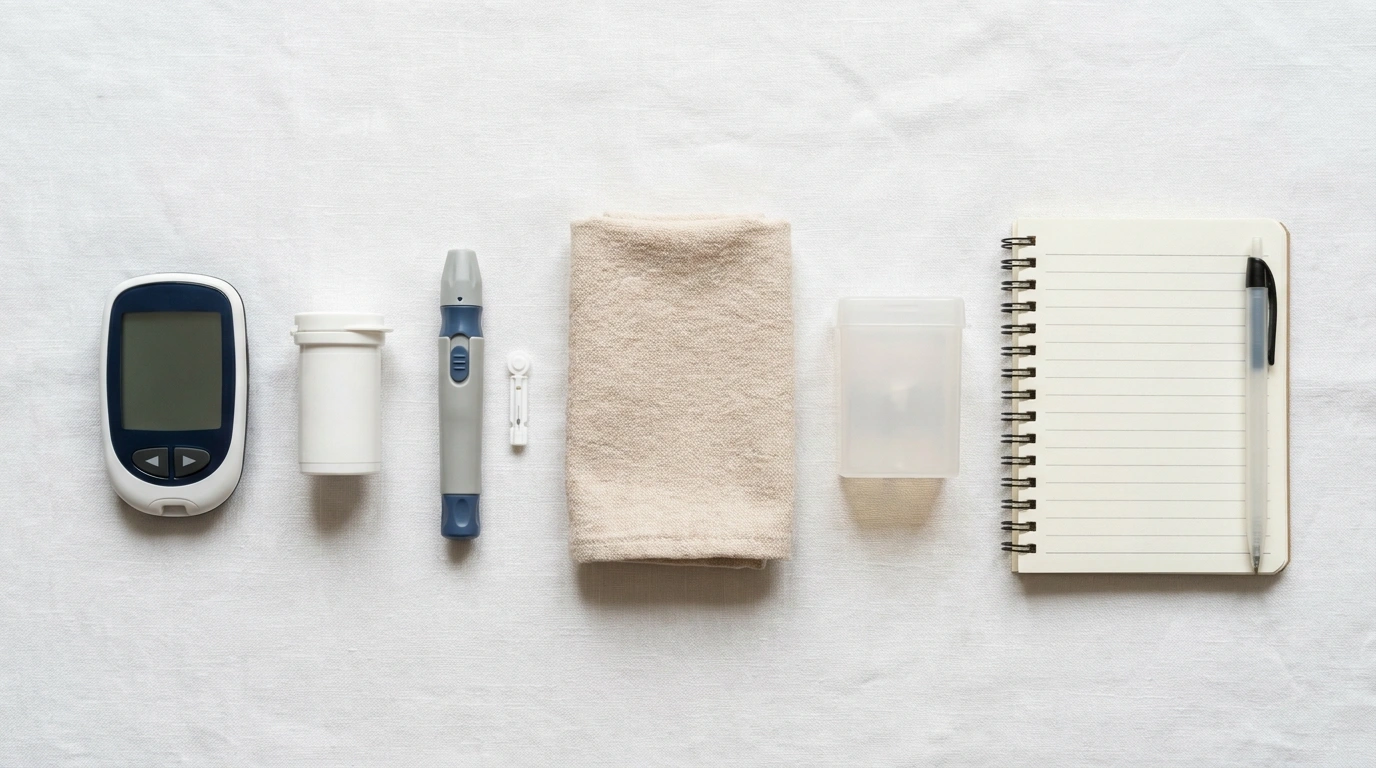
What You Need Before You Start
| Item | Purpose | Note |
| Glucometer (meter) | Reads the electrical signal from the strip and shows the number | Check the battery indicator; a low battery can give unreliable readings |
| Test strips for that exact meter | Where the blood reacts with the enzyme | Strips are not interchangeable between brands; check the printed expiry and the opened date |
| Lancing device (pen) | Holds the lancet and controls the depth | Comes with the meter; depth dial usually 1 to 5 |
| Lancets (needles) | The sterile needle that pricks the skin | Single use; buy the type that fits your pen |
| Soap, warm water, clean towel or tissue | Removes sugar and dirt from the finger | Warm water also brings blood to the fingertip |
| Logbook or phone app | Records result, time, meals, medicine | A number without context is almost useless to your doctor |
| Sharps container or hard-sided bottle | Safe disposal of used lancets | A closed plastic bottle with a lid is enough at home |
Alcohol swabs are sold alongside glucometers but are not needed if you can wash your hands, and if you use one you must let the finger dry completely before pricking, because alcohol left on the skin dilutes the drop and lowers the reading. Do not wipe the finger with a used cloth or with saliva, and do not test through hand cream or after handling fruit, sweets or dates, all of which leave sugar on the skin and produce a falsely high result. Where hand washing is genuinely impossible, wiping the first drop of blood away and using the second is the accepted alternative.
The Steps in Order
| Step | What to do | Why |
| 1. Wash and dry | Warm water and soap for 20 seconds; dry thoroughly | Removes sugar residue that reads high; water left on the finger reads low |
| 2. Prepare the lancing device | Twist off the cap, push in a new lancet, remove its protective cover, replace the cap, set the depth (start at 2 or 3), pull back to arm | A new lancet is sharp and sterile; a blunt one hurts more and bruises |
| 3. Insert the strip | Take one strip out, close the vial immediately, push the strip into the meter contacts-first | The meter switches on and shows a blood-drop symbol when ready; an open vial spoils the remaining strips |
| 4. Choose the site | Side of the fingertip of the middle, ring or little finger; alternate fingers and hands | Fewer nerve endings on the sides, so less pain; rotating prevents sore spots |
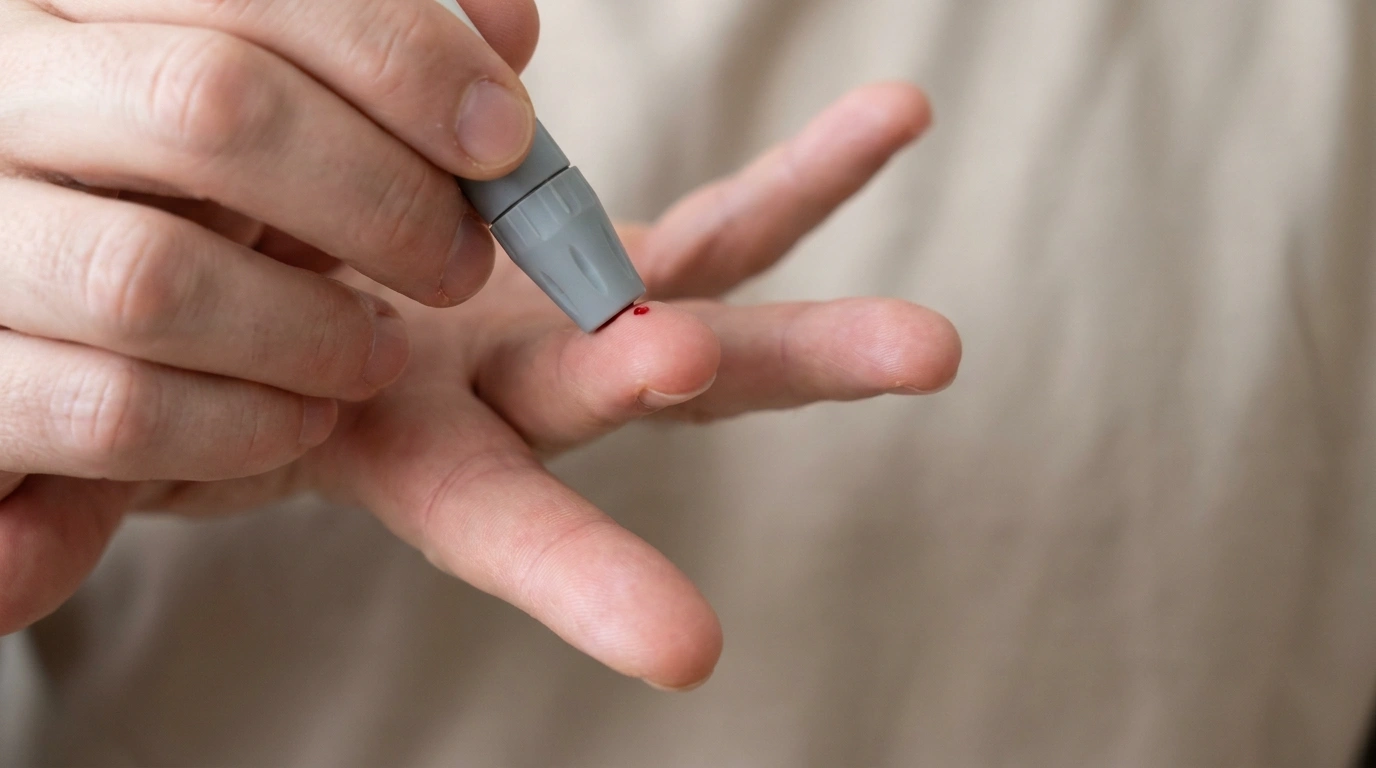
| 5. Prick | Hold the device firmly against the skin and press the button | A firm hold gives a cleaner prick at the set depth |
| 6. Form a drop | Let the hand hang down and gently stroke from the base of the finger toward the tip; do not squeeze the tip | Squeezing pushes tissue fluid into the drop and dilutes it, reading low |
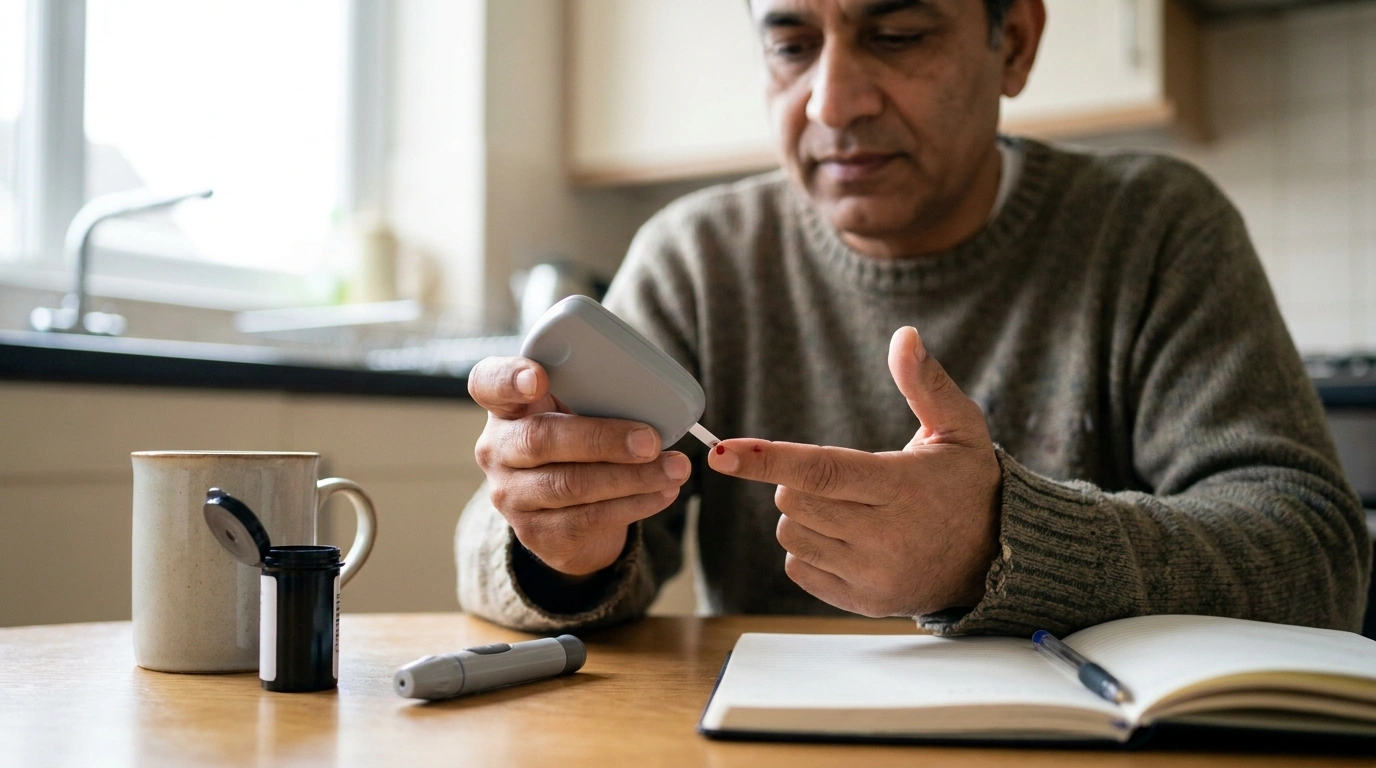
| 7. Apply blood | Touch the drop to the edge or tip of the strip (depending on the model) and hold until the meter beeps or starts counting | Most strips draw blood in by capillary action; smearing blood on top does not work |
| 8. Read | The result appears in 5 to 10 seconds | Note whether the unit is mg/dL (used in Pakistan) or mmol/L |
| 9. Record | Write the number, time, and whether fasting, before or after a meal | Your doctor needs the pattern, not one figure |
| 10. Dispose | Eject the lancet into a hard container; discard the strip | Never leave a used lancet in the pen |
The step most people skip is the one that costs nothing: recording. A reading of 160 mg/dL means very different things at 7 am fasting and at 9 pm after biryani, and a single number cannot be interpreted without the context. Write it down before you clear the finger, because the meter memory stores the value but not the meal.
Where to Prick and How Deep
The fingertip is the standard site because the blood there responds fastest to a change in blood sugar, which matters when you suspect a low. Use the sides of the fingertip rather than the pad, because the pad is where you feel, grip and type, and repeated pricks there become sore and calloused. Avoid the thumb and index finger for the same reason. Rotate through the other three fingers of both hands so that no site is pricked more than once or twice a week. Some meters advertise testing on the forearm or palm; these sites lag 15 to 30 minutes behind the fingertip and should never be used when you feel shaky, sweaty or unwell, because a low reading there is already old news.
Depth is set on the lancing device. Start at a low setting and increase only if you cannot get a drop the size of a small lentil without squeezing; most adults settle at 2 or 3, and a labourer or someone with thick skin may need 4. Children and the elderly, whose skin is thinner, usually need 1 or 2. If the finger is cold, run it under warm water or rub the hands together first; a warm finger gives a drop at a shallower setting and with less pain than a cold finger at a deeper one.
The Lancet: How Often to Change It
| Practice | What happens | Verdict |
| New lancet every test | Sharp, sterile, minimum pain, clean drop | Correct; this is what every manufacturer specifies |
| Same lancet reused by one person for a day | Tip blunts and bends microscopically after the first use; more pain, more bruising, more squeezing needed | Common in Pakistan but not recommended; if unavoidable, never beyond a single day |
| Same lancet reused for a week or more | Dried blood on the needle, higher infection risk, deep bruising, calloused fingertips | Stop; this is the cause of most “my fingers hurt” complaints |
| Lancet shared between family members | Transfers hepatitis B, hepatitis C and other blood-borne infections even if wiped | Never, under any circumstances, even between spouses or between a parent and child |
| Lancing device shared, lancet changed | The cap and body can still carry traces of blood | Each person should have their own pen; they are inexpensive |
Lancets are the cheapest part of testing, and reusing them saves almost nothing while causing most of the pain that makes people stop testing. If cost is the reason for reuse, buy a larger box of lancets rather than skipping tests or reusing needles; testing less often but correctly gives more useful information than testing daily with a blunt, dirty lancet and a squeezed finger.
Mistakes That Change the Number
| Mistake | Effect on reading | Fix |
| Unwashed hands, fruit or sweets handled | Reads high, sometimes very high | Wash with soap; or wipe away the first drop and use the second |
| Water or alcohol left on the finger | Reads low | Dry completely before pricking |
| Squeezing the fingertip hard | Reads low; tissue fluid dilutes the drop | Stroke from the base of the finger; increase lancet depth instead |
| Drop too small, strip not filled | Error message, or falsely low | Use a fresh strip; do not add a second drop to the same strip on most meters |
| Strip vial left open, strips in heat or fridge | Usually reads low; may show no error | Close the vial at once; see our guide on how to store glucometer test strips |
| Expired strips | Unreliable, usually low | Check printed expiry and date of opening |
| Meter cold from an air-conditioned room or hot from a car | Out of operating range; error or wrong value | Let the meter sit at room temperature for 20 minutes |
| Dehydration | Blood more concentrated; reads high | Note it; drink water; retest later |
| Testing minutes after a meal expecting a “fasting” number | Reads high; not a mistake of the meter | Fasting means 8 hours without food; 2 hours after the first bite for a post-meal test |
| Comparing the meter to a laboratory test done hours apart | Numbers will differ; not a fault | Compare within 5 minutes, fasting, on the same day |
If two readings taken a minute apart from clean, dry fingers differ by more than 15 to 20%, the strips are the first suspect; a new vial usually resolves it. Our guide on why glucometer readings differ each time works through the causes in order. A home meter is not expected to match the laboratory exactly. The international standard, ISO 15197:2013, requires that 95% of a meter’s readings fall within 15 mg/dL of the laboratory value when glucose is below 100 mg/dL and within 15% when it is 100 mg/dL or above, so a meter showing 118 against a lab result of 108 is performing normally, and one in twenty readings is allowed to fall outside even that band.
Reading and Recording the Result
Pakistani meters display in mg/dL. A fasting reading of 70 to 99 mg/dL is normal, 100 to 125 mg/dL is prediabetes, and 126 mg/dL or above on two occasions is the diabetes threshold; two hours after a meal, below 140 mg/dL is normal and 200 mg/dL or above suggests diabetes. Someone already diagnosed will have personal targets from their doctor, typically 80 to 130 mg/dL fasting and under 180 mg/dL after meals, and those targets matter more than the general ranges. Our normal blood sugar level chart by age sets out the full ranges, and the difference between a fasting and a random test is explained in our guide to fasting vs random blood sugar.
A reading below 70 mg/dL, or any reading with shaking, sweating, confusion or a racing heart, is a low and needs 15 grams of fast sugar immediately, such as half a glass of juice or three glucose tablets, then a retest in 15 minutes. A reading above 300 mg/dL that does not fall after water and a retest, or any reading with vomiting, heavy breathing or drowsiness, needs a doctor the same day. Readings of “HI” or “LO” on the screen mean the value is outside the meter’s range and are emergencies, not glitches.
The logbook is what your doctor actually uses. Home readings show the daily pattern, while the HbA1c test shows the three-month average; the two together, not either alone, guide treatment. A meter that stores 300 readings is useful only if the times and meals are written somewhere.
When to Test
How often depends on treatment. Someone on insulin typically tests before each meal and at bedtime, and before driving; someone on tablets often tests fasting each morning plus one post-meal reading at a different meal each day; someone with prediabetes managed by diet may test a few times a week. A useful weekly check for anyone is a paired reading, before a meal and two hours after the first bite, which shows how that particular meal affects you. Test additionally whenever you feel unwell, shaky, unusually thirsty or drowsy, during fever or infection, and in Ramadan before and after the fast if your doctor has agreed you may fast. If you are testing more than four times a day, a continuous glucose monitor may be worth discussing with your doctor, but for most people in Pakistan a well-used glucometer remains the practical, affordable tool.
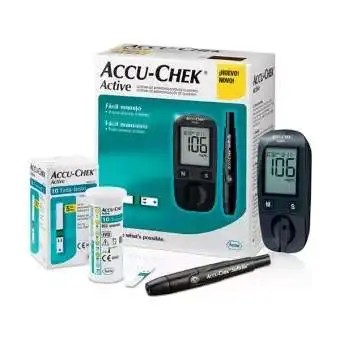
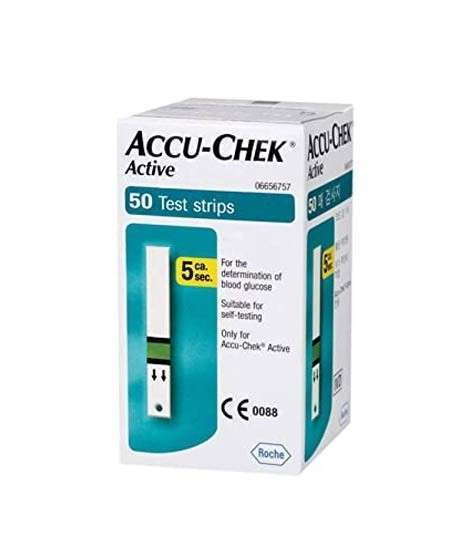
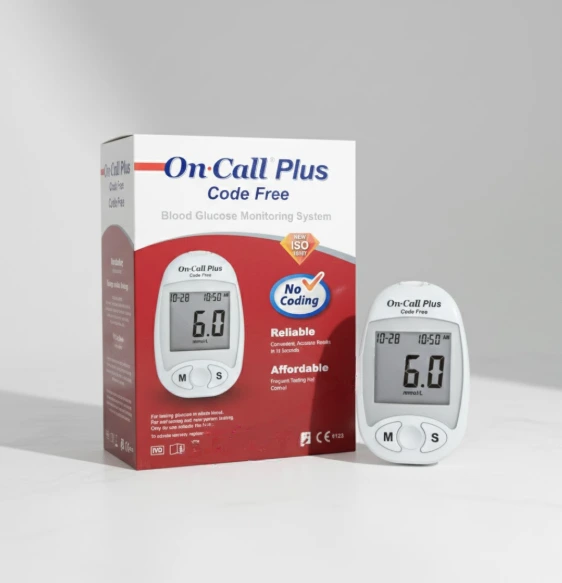
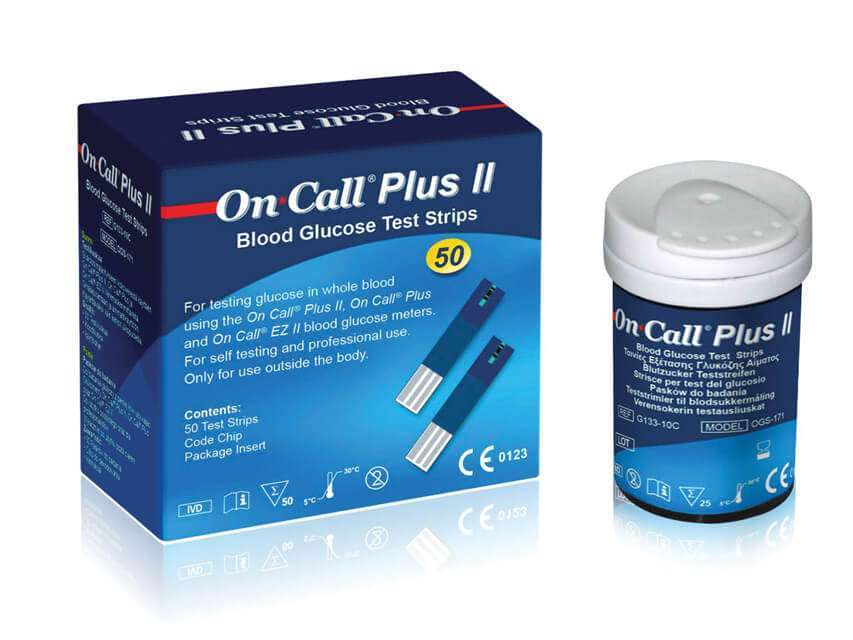
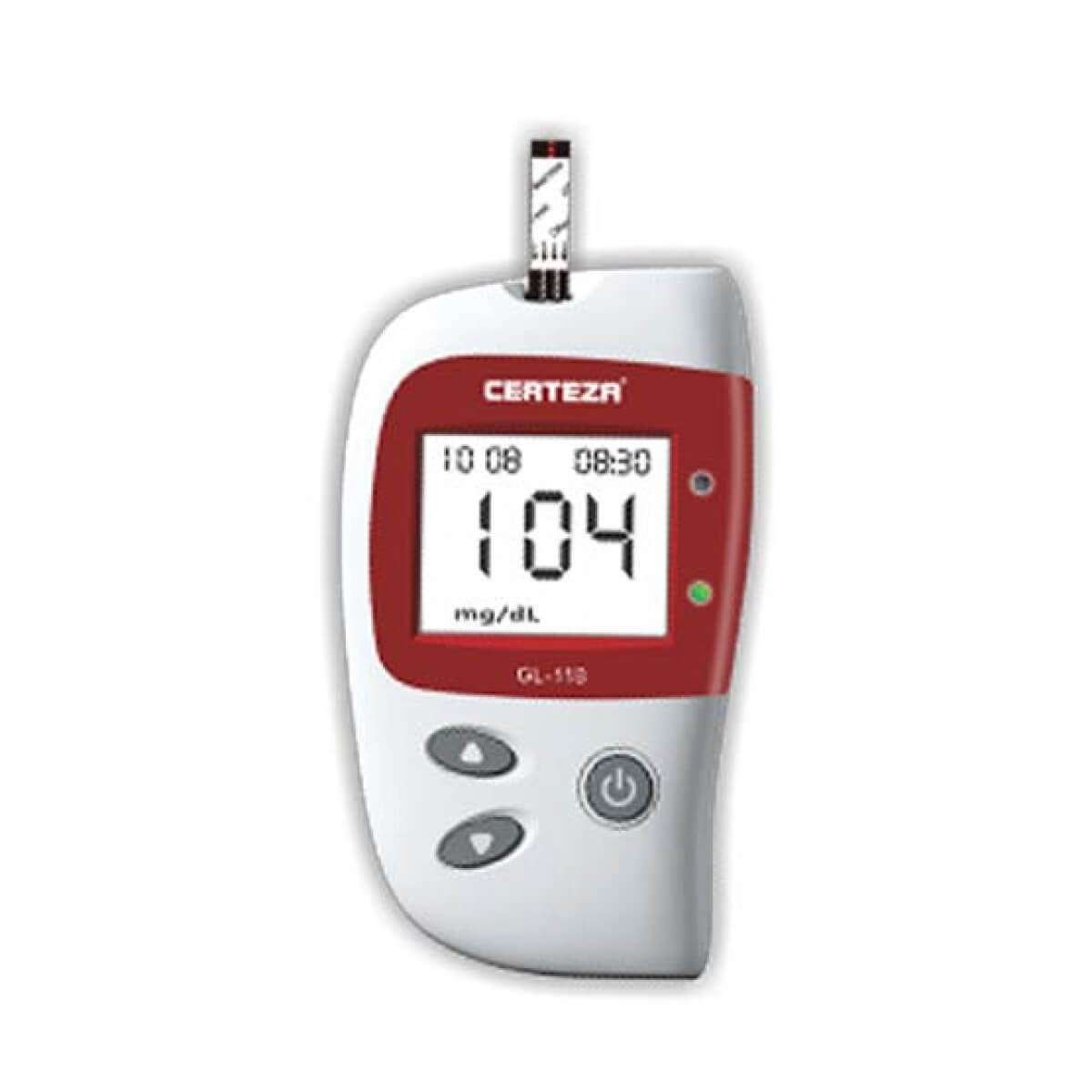
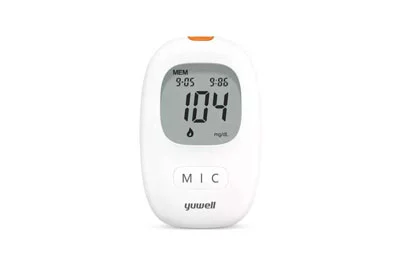
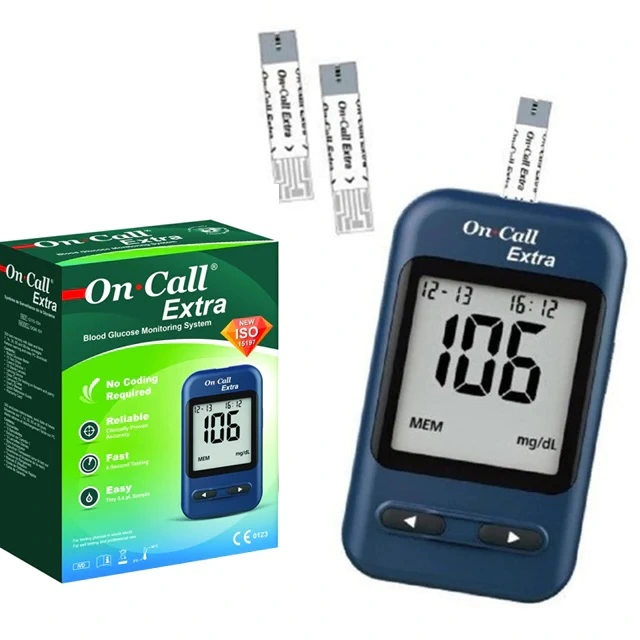
Glucometers and Test Strips Mentioned in This Guide
Every meter below uses strips that are easy to find in Pakistani pharmacies. Buy the strips that match your meter; strips are not interchangeable between brands.
Frequently Asked Questions
How do I use a glucometer for the first time?
Wash and dry your hands, insert a new strip into the meter, load a new lancet into the pen and set depth 2 or 3, prick the side of a fingertip, gently form a drop without squeezing, touch it to the edge of the strip, wait for the reading, and write down the number with the time and meal. Close the strip vial straight away and dispose of the lancet in a hard container.
Do I need to wipe away the first drop of blood?
If your hands are freshly washed and dried, most modern meters accept the first drop. If you could not wash, or handled food, wipe the first drop away with a clean tissue and use the second. Never use saliva or a used cloth to clean the finger.
How often should I change the glucometer lancet?
Every test. A lancet blunts after one use, causing more pain and bruising and forcing you to squeeze the finger, which lowers the reading. Never share a lancet or lancing device with anyone, even family, because of hepatitis and other blood-borne infections.
Why does my glucometer give a different reading from the hospital lab?
Home meters meeting ISO 15197:2013 are allowed a difference of 15 mg/dL below 100 mg/dL and 15% above it on 95% of readings. Larger gaps usually come from unwashed hands, a squeezed finger, spoiled strips, or comparing tests taken hours apart. Compare within five minutes, fasting, from clean dry hands, and the two should be close.
What is a normal sugar reading on a glucometer? Fasting, 70 to 99 mg/dL is normal and 126 mg/dL or above on two days indicates diabetes; two hours after a meal, below 140 mg/dL is normal. People with diabetes usually aim for 80 to 130 mg/dL fasting and under 180 mg/dL after meals, but should follow the targets their own doctor sets.
