- Your cart is empty
- Continue Shopping


Fasting vs Random Blood Sugar: What Is the Difference?
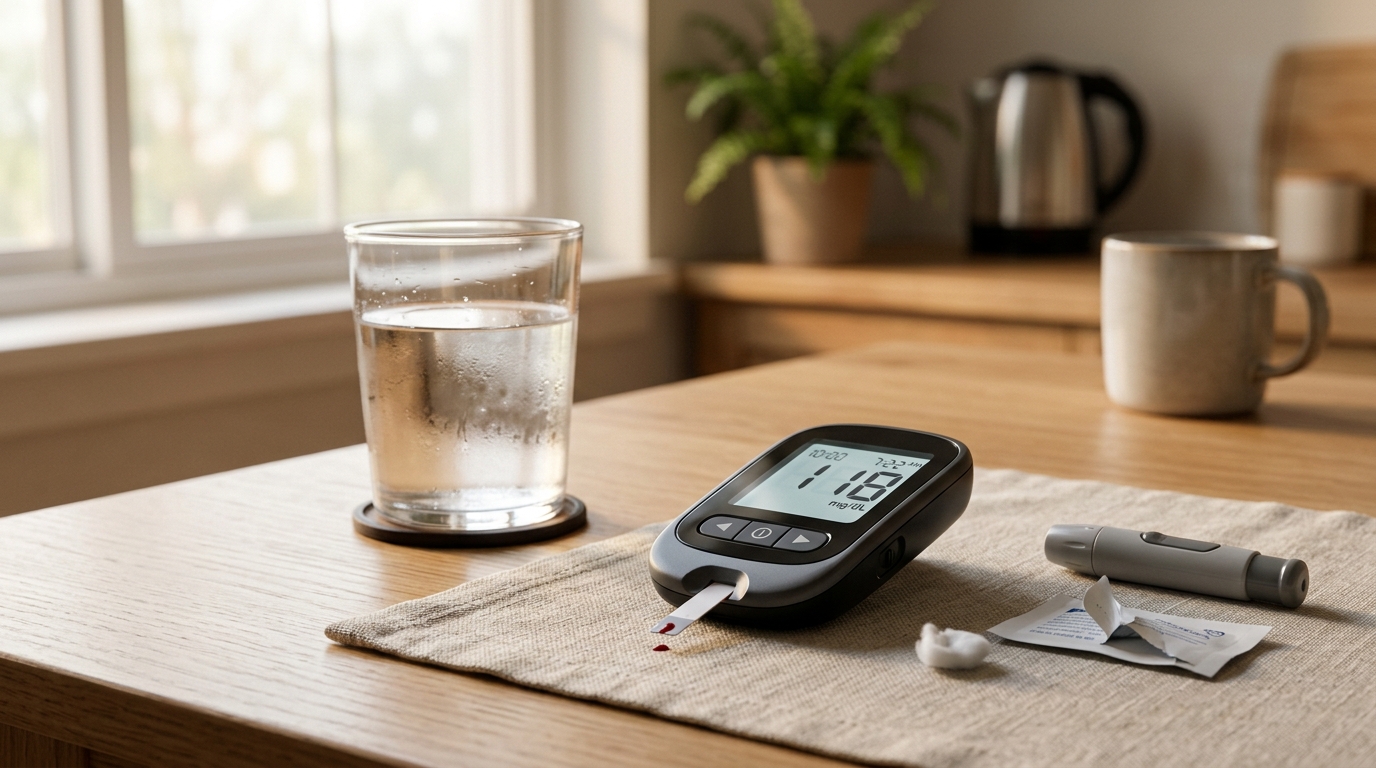
Quick Answer
Fasting blood sugar is tested after 8 to 12 hours without food, normally 70 to 100 mg/dL, and shows your baseline control. Random blood sugar is tested at any time regardless of meals, normally under 140 mg/dL, and shows how your body handles real life. A fasting value of 126 mg/dL or above, or a random value of 200 mg/dL or above with symptoms, points to diabetes. Neither test is better; they answer different questions.
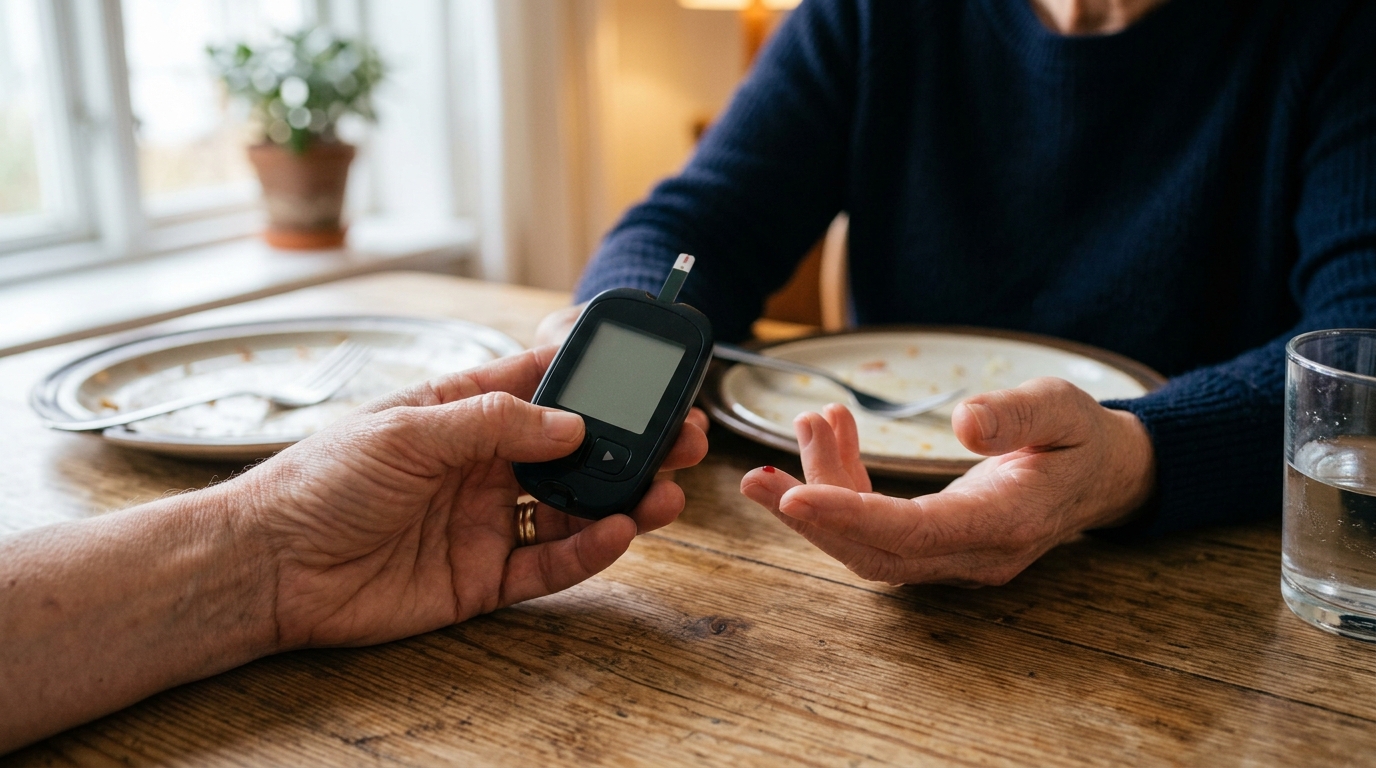
The most common confusion at home glucometer time in Pakistan goes like this: yesterday the reading was 92, today after lunch it is 165, so the machine must be faulty. It almost never is. Blood sugar is not a fixed number like height; it is a moving value that rises after every meal and settles between them. A fasting test deliberately catches the settled state, after a full night without food, when the only sugar in your blood is what your own liver released. A random test deliberately catches the moving state, whenever taken. Comparing the two directly is comparing a parked car’s speed with its highway speed.
Each state has its own normal range and its own meaning. Fasting sugar reveals your baseline and how well your liver and insulin behave overnight. Random and post meal sugar reveal how your body copes with actual food, which is often where trouble shows first; many people have normal fasting numbers for years while their after meal spikes quietly climb. Knowing which test you performed, and judging it against the right range, is the whole game of home monitoring with a glucometer. This guide lays out both ranges, when each test is the right tool, and the testing mistakes that create fake scary numbers.
The Ranges, Side by Side
| Test | Normal | Prediabetes zone | Diabetes range |
| Fasting (8 to 12 hours no food) | 70 to 100 mg/dL | 100 to 125 mg/dL | 126 mg/dL or above, on two occasions |
| Random (any time) | Below 140 mg/dL | 140 to 199 mg/dL | 200 mg/dL or above with symptoms |
| 2 hours after a meal | Below 140 mg/dL | 140 to 199 mg/dL | 200 mg/dL or above |
Two details doctors rely on: diagnosis is never made from one home reading, and a random value of 200 or more counts toward diabetes mainly when symptoms like excessive thirst, frequent urination or unexplained weight loss are also present. Borderline numbers get confirmed with a lab fasting test or an HbA1c, the 3 month average test.
When to Use Which Test
| Situation | Best test |
| First screening, family history of diabetes | Fasting, ideally at a lab |
| Checking effect of a specific meal, like biryani or mangoes | 2 hours after that meal |
| Feeling shaky, sweaty, dizzy | Random, immediately, to catch a low |
| Adjusting medicine or insulin with your doctor | Fasting plus post meal pairs |
| Ramadan fasting decisions | Pre iftar and 2 hours post iftar readings |
| Long term control review | HbA1c at a lab every 3 to 6 months |
The most informative home pattern is the pair: fasting reading in the morning, then a reading 2 hours after your biggest meal. The gap between them tells you what the food did, which single random checks never reveal.
Why the Two Numbers Disagree, and When That Matters
A normal fasting number with high post meal numbers is a common early pattern; the body manages the quiet overnight state but struggles with the surge from food. The reverse, a high fasting number despite careful eating, usually reflects the liver releasing sugar overnight, common in established type 2 diabetes, and occasionally the dawn phenomenon, a natural early morning hormone rise that lifts sugar between 4 and 8 am. Both patterns are real information for your doctor, and both are invisible if you always test at the same time of day. People monitoring blood pressure alongside sugar, which is wise since the two travel together, can apply the same logic with a digital blood pressure monitor: vary the timing, record everything, and let the pattern speak.
Testing Mistakes That Create False Numbers
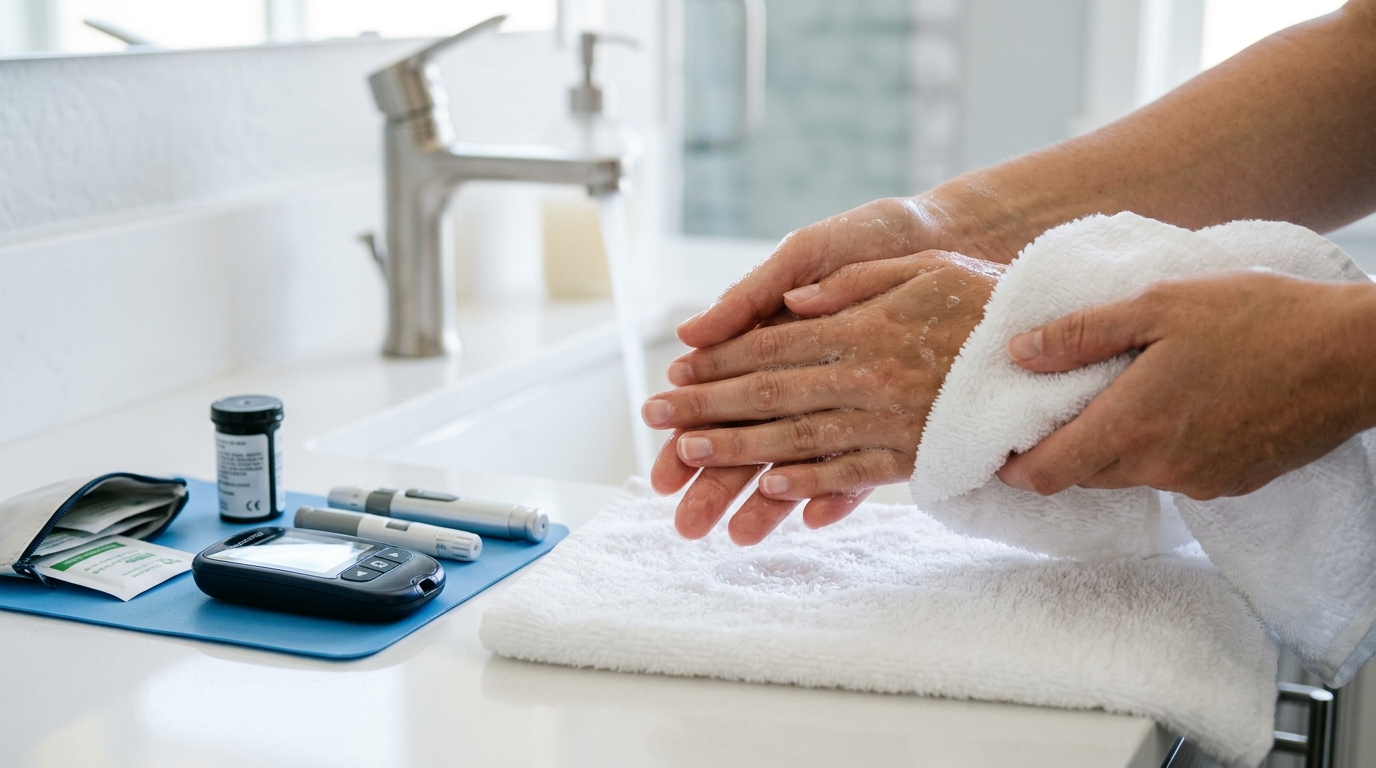
Unwashed hands are the classic one; a trace of fruit juice or dates on the fingertip can add 100 points to a reading. Squeezing the finger hard dilutes the sample with tissue fluid and misleads low. Expired or badly stored strips, left in a hot car or an open vial in humid weather, drift the results. And “fasting” that included morning chai with sugar is not fasting; water only for 8 to 12 hours, medicine as your doctor advised. Wash and dry hands, use the side of the fingertip, let the drop form on its own, and note the time and last meal beside every reading. A number without context is just a number; a logged pattern is a diagnosis waiting to be read.
Frequently Asked Questions
What is the normal range for fasting blood sugar?
70 to 100 mg/dL after 8 to 12 hours without food. 100 to 125 signals prediabetes, and 126 or above on two occasions indicates diabetes and needs a doctor’s confirmation.
What is a normal random blood sugar level?
Below 140 mg/dL at most times of day. 140 to 199 suggests impaired handling of sugar, and 200 or above with symptoms like thirst and frequent urination points to diabetes.
Which is more accurate, fasting or random blood sugar?
Neither is more accurate; they measure different states. Fasting is more standardized for diagnosis, while random and post meal tests catch spikes that fasting misses. Doctors often want both plus HbA1c.
Why is my sugar high in the morning without eating anything?
The liver releases sugar overnight and early morning hormones lift it further, called the dawn phenomenon. Persistent fasting values above 125 deserve a doctor’s review even with careful eating.
Can I drink water before a fasting sugar test? Yes, plain water is fine and encouraged. Tea, coffee, milk or anything with sugar or calories breaks the fast and turns the reading into a random test.
