- Your cart is empty
- Continue Shopping


How Should You Store Glucometer Test Strips?
Quick Answer
Keep glucometer test strips in their original vial, cap snapped shut within seconds of taking a strip out, at room temperature between roughly 4°C and 30°C, away from sunlight, steam, the fridge and the car. Never move strips into another container, never leave the vial open on the table, and never use strips after the expiry printed on the vial or, for most brands, more than 3 to 6 months after first opening, whichever comes first. A strip that has been baked in a June car or left uncapped in a humid Karachi kitchen looks identical to a good one but reads wrong, and that is the single most common reason a glucometer “gives different numbers each time.”
Most people who own a glucometer in Pakistan treat the meter as the precious part and the strips as consumables to be tossed in a drawer, a handbag or the glove box. It is the wrong way round. The meter is a small electronic voltmeter that will read correctly for years; the strip is where the chemistry happens, and that chemistry is a dried layer of enzyme and reagent that reacts with the glucose in your blood drop and produces the electrical signal the meter measures. Enzymes are proteins. Heat denatures them, moisture starts the reaction early, and light breaks them down, so a strip that has been mistreated produces a weaker or stronger signal than it should and the meter, which cannot tell a damaged strip from a good one, reports the result with full confidence.
The Pakistani climate is unusually hard on strips. Summer room temperatures in Lahore, Multan and Karachi routinely sit above 35°C for weeks, a parked car interior passes 60°C within an hour, and monsoon humidity in coastal and central cities stays above 70% for months. Each of those conditions is outside the storage range printed in small type on every strip box. This guide explains where the range comes from, how to store strips properly at home and while travelling, how expiry actually works once a vial is opened, and how to tell whether a surprising reading came from your blood or from a spoiled strip, a question we touched on in our guide to why glucometer readings differ each time.
The Storage Rules Printed on Every Box
| Rule | Typical limit | Why it matters |
| Storage temperature | 4°C to 30°C (some brands 2°C to 32°C) | Heat denatures the enzyme; cold causes condensation when the vial warms up |
| Humidity | Below about 85% relative humidity, vial closed | Moisture starts the reaction before blood touches the strip |
| Light | Keep in the opaque vial, out of direct sun | UV and bright light degrade the reagent layer |
| Vial cap | Close immediately after removing a strip | The desiccant in the cap protects the whole vial only while it is sealed |
| Unopened shelf life | 18 to 24 months from manufacture | Printed expiry on the vial and box |
| Opened vial life | 3 to 6 months from first opening, or printed expiry, whichever is first | Brand-specific; many Pakistani users never write the opening date |
| Container | Original vial only | Pill boxes, zip bags and old vials have no desiccant and let moisture in |
The two numbers that matter most are the upper temperature limit and the opened-vial life, because both are routinely broken without anyone noticing. A vial that spent a week on a windowsill, a strip carried loose in a wallet, or a box bought in bulk two years ago and only now being finished all fall outside the limits, and none of them looks any different. Brands sold widely in Pakistan, including Accu-Chek Active, On Call Plus, Certeza, Easy Gluco and Yuwell, all print the range on the vial label; the exact figures differ by a degree or two, and the label on your own vial is the one to follow.
Where to Keep Strips at Home
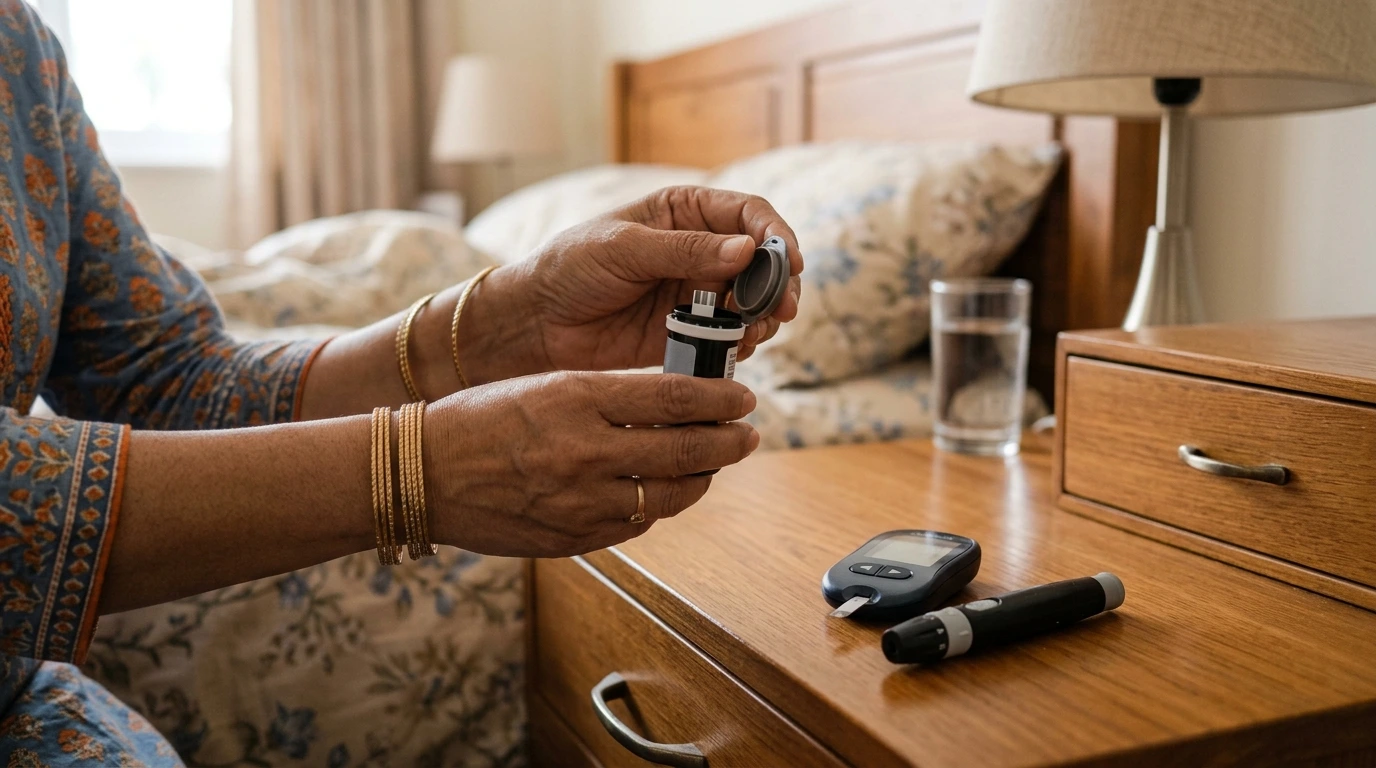
The best place in a Pakistani home is a closed drawer or cupboard in the coolest interior room, away from the kitchen and bathroom, where the temperature stays closest to the air-conditioned or fan-cooled range and humidity is lowest. The kitchen is the worst room in the house: cooking steam, a hot stove and a fridge that exhales warm air every time it opens push both temperature and humidity past the limits several times a day. The bathroom is a close second because of shower steam. A bedside drawer in a bedroom that is air-conditioned at night and shaded by day is close to ideal, and it is also where most people test, which means the strips are not carried around.
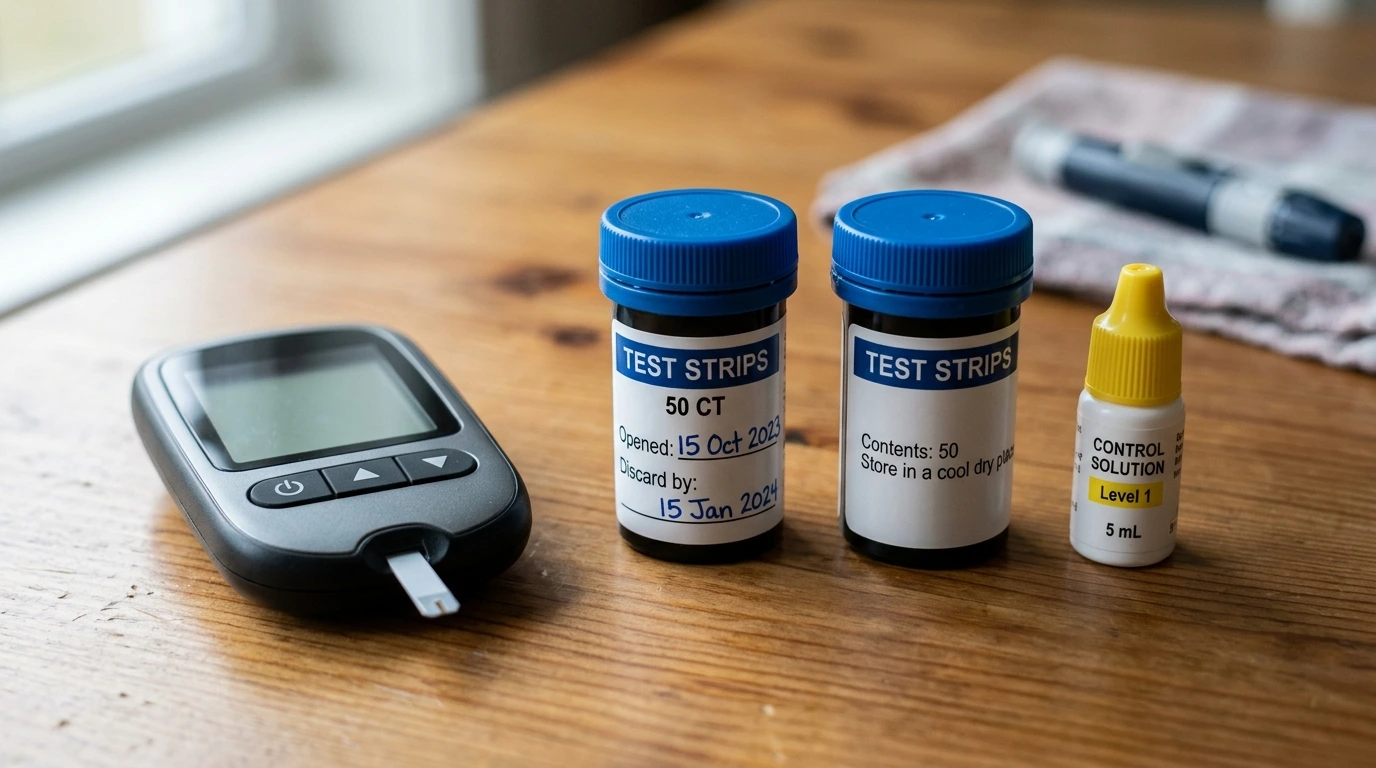
Two habits do more for accuracy than anything else. First, take out one strip and close the cap in the same motion, before you prick your finger, not after; a vial left open for the two minutes it takes to lance, apply and read is exposed to room air on every single test, and in humid months that is enough to degrade the remaining strips over a few weeks. Second, write the date you opened the vial on the label with a marker. Most people finish a 50-strip vial within two months if they test daily, but someone testing twice a week takes six months, which is past the opened-vial life of many brands, and the strips at the bottom have been quietly failing for weeks by the time the surprising readings start.
The Fridge, the Car and the Handbag
| Place | Verdict | Reason |
| Refrigerator | No | Cold itself is within range for most brands, but condensation forms inside the vial each time it is taken out into warm air, which is worse than heat |
| Freezer | Never | Freezing destroys the reagent layer outright |
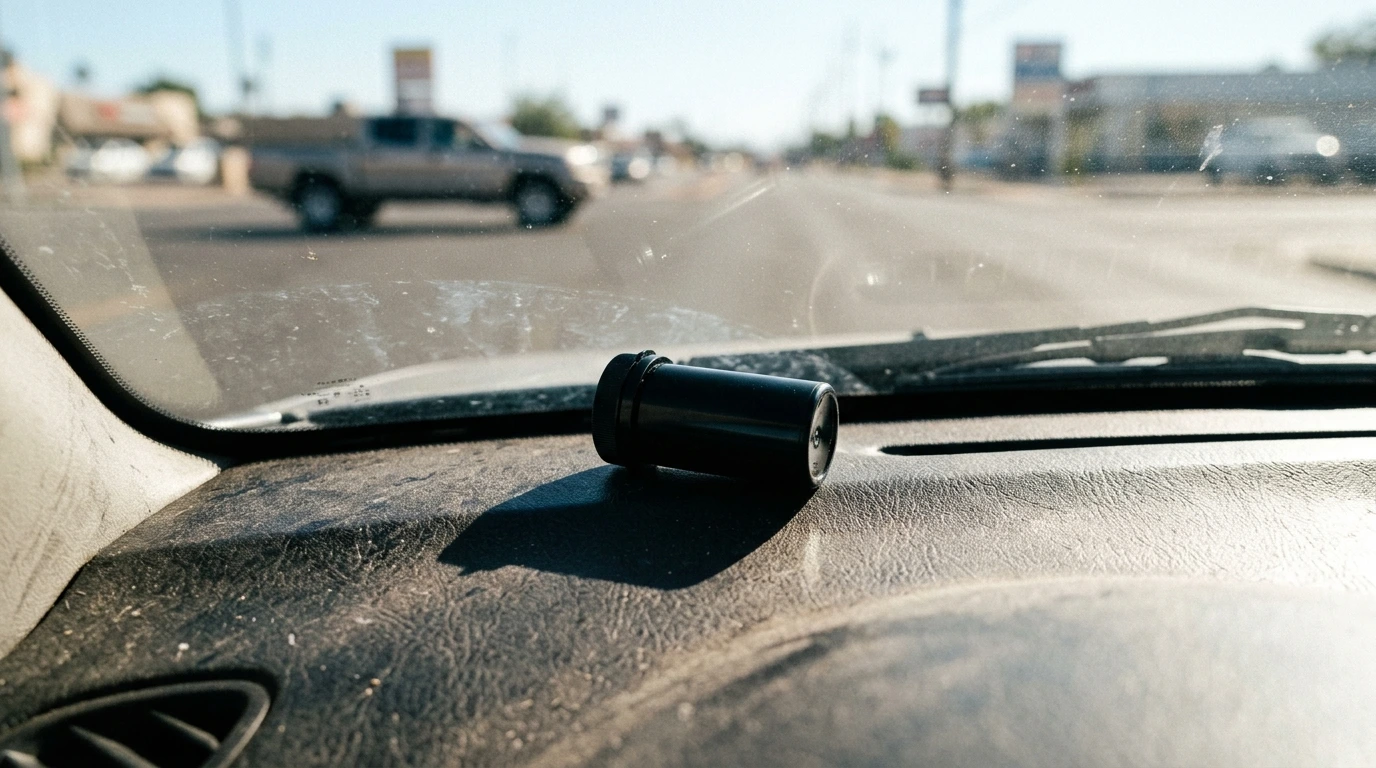
| Parked car, glove box | Never, even in winter | Interior temperatures pass 50°C to 60°C in summer sun within an hour; strips are ruined in one afternoon |
| Handbag or pocket, loose | No | Body heat, friction and moisture; a loose strip is exposed to everything |
| Handbag, in the closed vial | Acceptable for a day | Fine for a clinic visit or work; not for permanent storage |
| Meter case with vial inside | Best for travel | Insulated, shaded, and keeps meter and strips together |
| Windowsill, top of fridge, near stove | No | Direct sun and appliance heat |
The fridge deserves a specific word because so many careful people use it, especially in summer, believing they are protecting the strips. The problem is not the cold; it is the cycle. Every time the vial comes out of a 4°C fridge into a 35°C room, moisture from the air condenses on the cold strips and inside the vial, and the desiccant in the cap is overwhelmed within a few cycles. If you must store strips somewhere cool during a heatwave and the only option is the fridge, keep the sealed, unopened vial in a zip bag inside the fridge, and once you take it out to open it, leave it out for good and let it reach room temperature before the first test. Never return an opened vial to the fridge. The same logic applies to insulin cool pouches and travel coolers: strips do not belong beside the insulin.
How Expiry Actually Works
There are two expiry clocks on a vial of strips, and most people know about only one. The printed expiry date on the vial and box is the unopened shelf life, typically 18 to 24 months from manufacture, and it assumes the vial has been sealed and stored within range throughout. The second clock starts the moment the seal is broken. From then, air enters the vial every time the cap opens, the desiccant slowly saturates, and the manufacturer’s guarantee runs for a fixed period, commonly 3 months for some brands and 6 months for others, regardless of how much time remains on the printed date. A vial opened in March with a printed expiry of next year is still done by June or September. The package insert states the opened-vial period; if you have thrown the insert away, the brand’s website or the pharmacy where you bought them can tell you.
Expired or heat-damaged strips do not fail in an obvious way. A minority of meters will show an error code if the strip is grossly degraded, but most will simply return a number, and the number is usually low rather than high, because the damaged enzyme produces a weaker signal. That is the dangerous direction: a strip that reads 110 when the true value is 180 hides hyperglycemia, and a strip that reads 70 when the true value is 95 prompts an unnecessary sugary snack. Anyone titrating insulin doses against home readings should treat strip storage as seriously as the insulin itself. If you use strips for a fasting log that feeds into an HbA1c conversation with your doctor, a month of degraded strips can make the log and the lab result disagree for no real reason.
Telling a Bad Strip From a Real Reading
| What you see | Likely cause | What to do |
| Two readings a minute apart differ by more than 20% | Strip damage or technique | Open a fresh vial; test twice from it; if the new pair agrees, discard the old vial |
| Readings drift lower over weeks with no change in diet or medicine | Vial opened too long, or humidity exposure | Check the opening date; replace the vial |
| Every reading suddenly reads unusually low | Whole vial heat-damaged (car, sun, kitchen) | Replace the vial; think about where it has been |
| Error code on insertion | Strip wet, bent, expired, or wrong strip for the meter | Try one more strip from the same vial, then a new vial |
| Control solution reads outside the printed range | Strips or meter faulty | Control solution settles it; if the new vial also fails, the meter needs service |
| Reading does not match how you feel | Could be either | Wash and dry hands, retest with a fresh strip, and if still mismatched see a doctor |
The cheapest diagnostic is a second strip from a different, newer vial. If the fresh strip agrees with the old one, the reading is real and the question becomes a medical one, which our chart of normal blood sugar levels by age helps you interpret. If the fresh strip disagrees by 20% or more, the old vial is compromised and everything it produced in the past few weeks is suspect. Control solution, the small bottle of glucose liquid sold for most meters, is the proper way to check; a drop applied to a strip should read within the range printed on the vial label, and a failure there tells you the strips are bad before a wrong blood reading tells you the hard way. Most people in Pakistan never buy control solution because it costs nearly as much as a vial of strips; for anyone on insulin, it is worth owning.
Frequently Asked Questions
Can you store glucometer strips in the fridge?
It is not recommended. The cold is within range, but condensation forms inside the vial each time it is taken out into warm air, and moisture damages strips faster than moderate heat does. Keep strips in a closed drawer in the coolest room instead, and never refrigerate an opened vial.
How long do glucometer strips last after opening the vial?
Most brands guarantee 3 to 6 months from first opening, or the printed expiry date, whichever comes first. The period is in the package insert. Write the opening date on the vial; a 50-strip vial used twice a week outlasts its opened life.
Can you use expired glucometer strips?
No. Expired or heat-damaged strips usually read low without showing an error, which can hide high blood sugar or prompt unnecessary snacking. Discard them and open a new vial; the cost of a vial is far lower than the cost of a wrong insulin decision.
What temperature ruins glucometer test strips?
Most strips are rated to about 30°C to 32°C for storage. A parked car in Pakistani summer exceeds 50°C within an hour, and a kitchen near a stove regularly passes 40°C. A single afternoon in a hot car can ruin a whole vial without any visible change.
Why do my glucometer readings keep coming out different? The commonest causes are strip damage from heat, humidity or an open vial, and technique errors such as unwashed hands or squeezing the finger. Test twice from a fresh vial: if the new pair agrees and the old strips do not, the strips were the problem.
