- Your cart is empty
- Continue Shopping


Full Face CPAP & BiPAP Masks in Pakistan
A CPAP or BiPAP machine is only as good as the mask that delivers its pressure. Air that leaks around the edges, a strap that digs in, or a cushion that slips when you turn over will undo the therapy your doctor prescribed, which is why patients who abandon treatment almost always blame the mask rather than the machine. This category carries full-face masks, the style that covers both the nose and the mouth, for use with CPAP and BiPAP machines and home ventilators.
Who needs a full-face mask
A nasal mask works only if your mouth stays closed all night. Many people breathe through the mouth during sleep, especially those with a blocked nose, allergies, a deviated septum, or a habit of sleeping on their back. For them a nasal mask leaks pressure out of the mouth, the machine loses effect, and the throat wakes dry and sore. A full-face mask seals over both openings so the pressure holds whether you breathe through the nose or the mouth. It is also the usual choice for higher pressure settings, for BiPAP patients with COPD or neuromuscular conditions, and for anyone whose doctor recommended it after a sleep study. If you are still deciding between machine types, our guide to CPAP vs BiPAP explains which conditions each one suits.
The Sleepas full-face mask
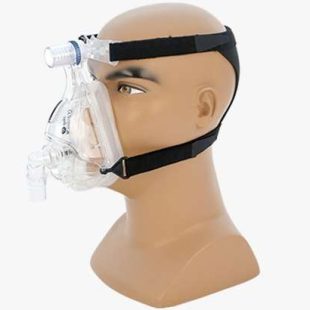
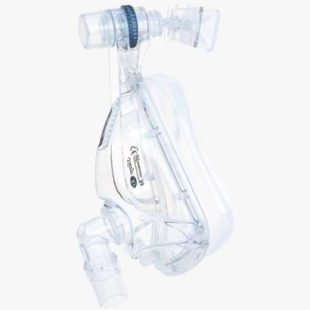
Our current option is the Sleepas oro-nasal full-face mask by FORAS Medical, Turkey. It is compatible with CPAP, BiPAP and ventilator circuits and comes in small, medium and large, each colour-coded so a replacement cushion is easy to match. The cushion is 100 percent anti-allergic silicone, the forehead support adjusts to relieve pressure on the bridge of the nose, and the air inlet rotates 360 degrees so the tubing follows you when you move. Two safety features matter on any full-face mask: an anti-asphyxia valve that opens to room air if the machine stops or power fails, common during load shedding, and an oxygen input port for patients who need supplemental oxygen bled into the circuit.
Getting the size and fit right
Measure from the bridge of the nose to just below the lower lip; the cushion should sit on that line without pressing into the eyes or the chin. Fit the mask while lying down with the machine running, because the face changes shape when you lie flat. Tighten straps only until the leak stops, never further; red marks in the morning mean the straps are too tight, not that the mask is too small. Most patients need a week or two to adjust, and a slightly loose mask that seals under pressure is more comfortable than a tight one.
Cleaning and replacement
Wipe the cushion every morning with a damp cloth and mild soap, wash the headgear weekly, and let everything air dry away from sunlight. Silicone cushions soften with oil from the skin and usually need replacing every three to six months; headgear stretches and loses its hold at around the same time. Keep spare tubing and filters from our breathing circuits and accessories range so a worn part never interrupts therapy.
For nasal masks, nasal pillows and other styles, browse the complete BiPAP and CPAP mask collection, and if you are new to the treatment, start with our guide on what CPAP is and how it works.