- Your cart is empty
- Continue Shopping


Normal Blood Sugar Level Chart by Age: What Your Numbers Actually Mean
Quick Answer
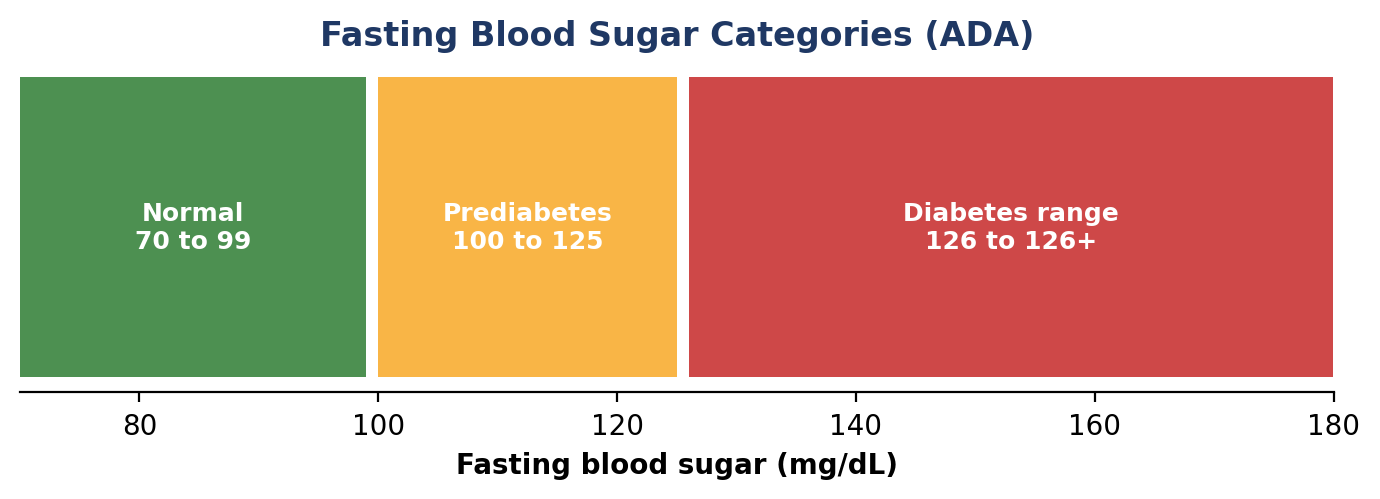
For most healthy adults, a normal fasting blood sugar is 70 to 99 mg/dL, a normal reading two hours after a meal is below 140 mg/dL, and a normal HbA1c is below 5.7 percent. Children run in similar ranges, while adults over 65 are often given slightly more relaxed targets by their doctors. A fasting reading of 126 mg/dL or higher on two separate tests indicates diabetes.
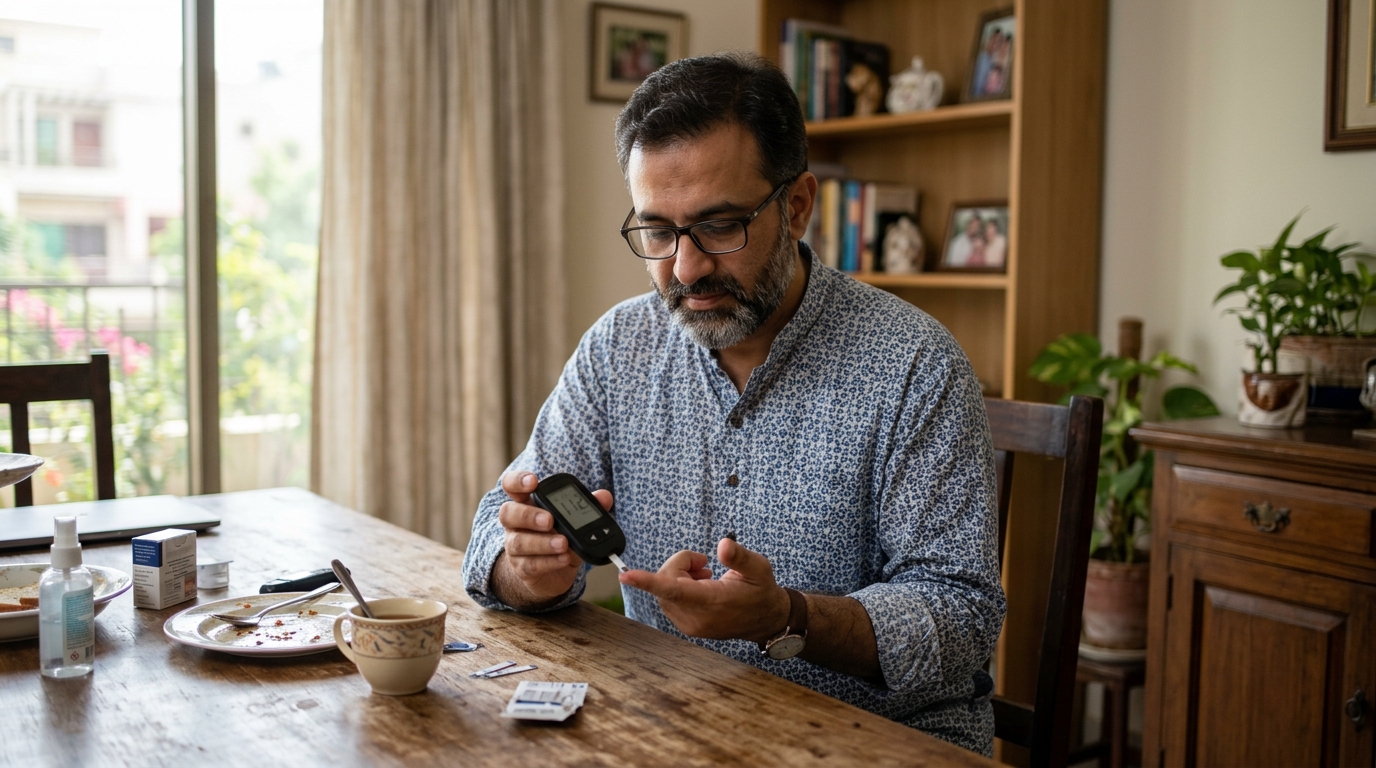
Checking your sugar at home has become completely normal in Pakistan, and for good reason. Diabetes often builds quietly for years before symptoms appear, and a simple glucometer reading is the fastest way to know where you stand today. The problem is that most people take the reading and then have no idea what the number means for their age.
This guide gives you the reference chart doctors actually use, explains why fasting and random readings are different tests, and covers the mistakes that make home readings unreliable. If you are setting up home testing for the first time, a complete kit such as the Accu Chek Active complete kit includes the meter, lancing device and starter strips in one box, which avoids buying mismatched parts separately.
The Chart: Normal Blood Sugar Levels by Age
These ranges follow American Diabetes Association guidance and are measured in mg/dL, which is what glucometers sold in Pakistan display by default.
| Age group | Fasting (mg/dL) | 2 hours after meal | HbA1c target |
| Children 6 to 12 | 80 to 180 (with diabetes: doctor sets target) | Below 140 for non diabetics | Below 5.7% if non diabetic |
| Teens 13 to 19 | 70 to 150 | Below 140 | Below 5.7% |
| Adults 20 to 64 | 70 to 99 | Below 140 | Below 5.7% |
| Adults 65 and above | 80 to 130 is often acceptable | Below 180 is often acceptable | Below 7.0 to 7.5% if diabetic |
The honest note here: age changes the target mainly for people who already have diabetes. For a healthy person, normal is normal at any adult age. Doctors relax targets for older patients because very tight control raises the risk of dangerous low sugar episodes, and that tradeoff matters more after 65.
Fasting vs Random Blood Sugar: They Are Different Tests
A fasting test means no food or drink except water for at least 8 hours, usually done first thing in the morning. A random test is taken at any time of day regardless of meals. Both are valid, but they answer different questions and have different cutoffs.
| Test type | Normal | Prediabetes | Diabetes |
| Fasting (8+ hours) | 70 to 99 mg/dL | 100 to 125 mg/dL | 126 mg/dL or higher |
| Random (any time) | Below 140 mg/dL | 140 to 199 mg/dL | 200 mg/dL or higher, with symptoms |
| HbA1c (lab test) | Below 5.7% | 5.7 to 6.4% | 6.5% or higher |
HbA1c deserves a special mention because many people in Pakistan have never had it done. It reflects your average sugar over the past 2 to 3 months, so a single good morning cannot hide a bad quarter. If your fasting readings sit in the prediabetes band, an HbA1c from any decent lab is the logical next step.
Why Your Glucometer Shows Different Readings Each Time
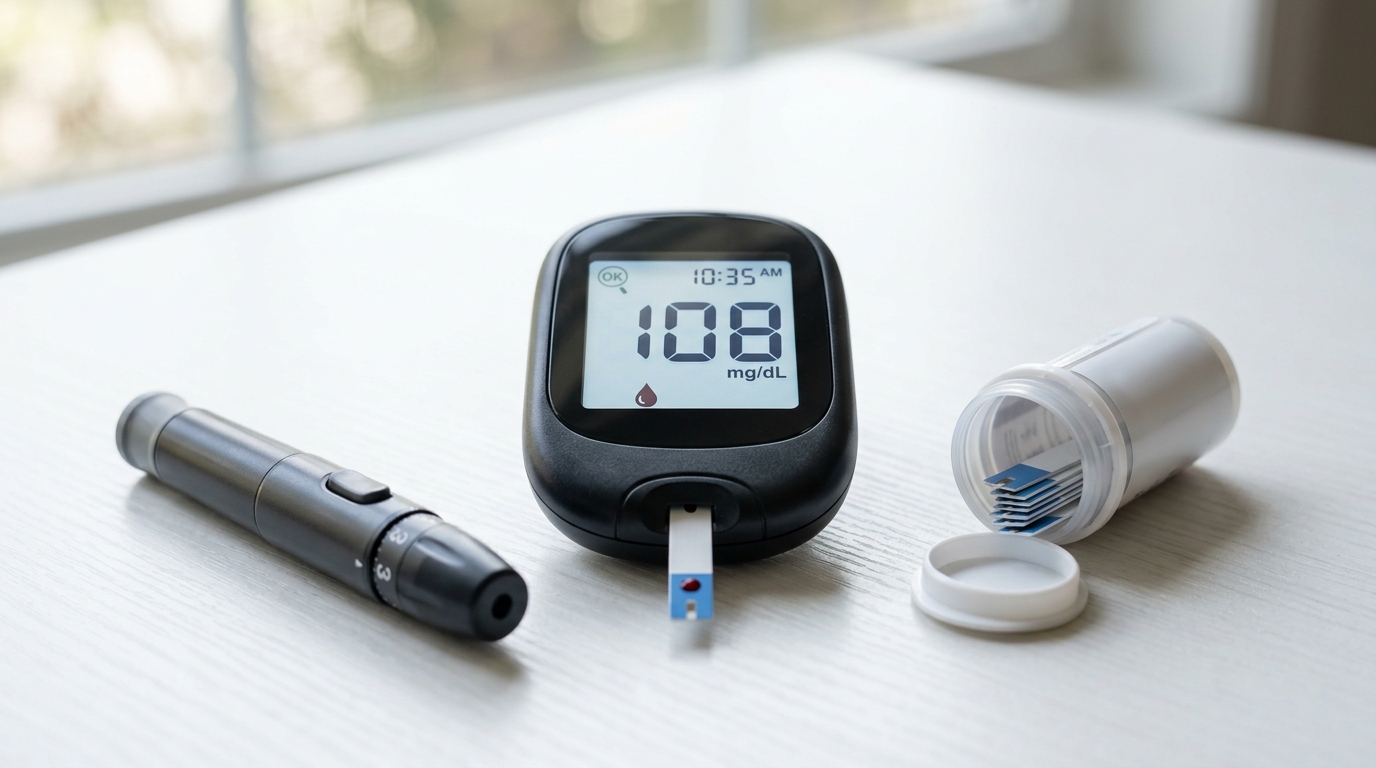
This is the most common complaint with home testing, and most of the time the meter is not the problem. Glucometers are allowed a margin of roughly 15 percent against lab values, and on top of that these habits swing your numbers:
| Mistake | Effect on reading |
| Testing with unwashed hands | Sugar residue on fingers can add 50+ mg/dL |
| Squeezing the finger hard | Dilutes blood with tissue fluid, lowers the reading |
| Expired or badly stored strips | Random errors in both directions |
| Testing right after eating | Reads high because that is real, not an error |
| Different fingers, different depth | Small natural variation up to 10 to 15 mg/dL |
Strips are the weak point of the whole system. They are sensitive to heat and humidity, which Pakistani summers supply generously. Keep the vial tightly closed, never store strips in the car or near the kitchen stove, and check the expiry before buying. Genuine Accu Chek Active test strips in the sealed 100 pack cost less per test than small packs and last most users about 3 months of daily testing.
Early Signs of High Blood Sugar Worth Taking Seriously
Blood sugar can sit high for years without drama, which is exactly why testing matters. That said, these signs justify a same week test rather than a someday test: unusual thirst, urinating more than normal especially at night, blurry vision that comes and goes, cuts healing slowly, tiredness after meals, and tingling in the feet. None of these confirm diabetes on their own. All of them together are your body asking for a fasting test.
How to Take an Accurate Reading at Home
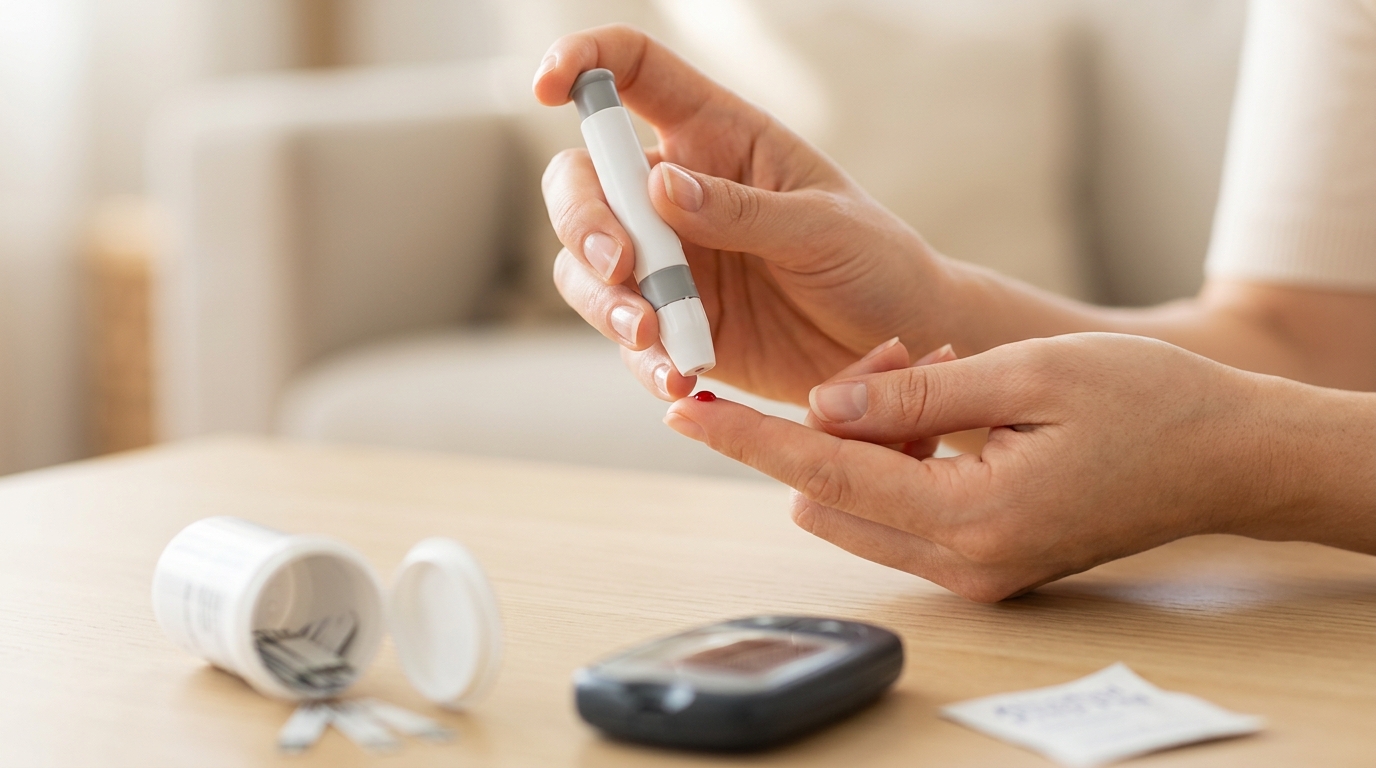
Wash and fully dry your hands. Insert the strip, prick the side of a fingertip rather than the pad, let a drop form on its own, and touch it to the strip. Note the number with the time and what you last ate. Single readings mean little; a pattern over two weeks tells your doctor far more than one number ever can. Many families in Pakistan also keep a blood pressure monitor beside the glucometer since the two conditions travel together so often; you can compare options in our digital blood pressure monitor range if you are building a home monitoring corner.
Frequently Asked Questions
What is a normal blood sugar level for a 40 year old?
Fasting 70 to 99 mg/dL, below 140 mg/dL two hours after eating, and HbA1c below 5.7 percent. The healthy adult range does not change between 20 and 64.
Is 110 fasting blood sugar normal?
No. 110 mg/dL fasting falls in the prediabetes range of 100 to 125. It is not diabetes, but it is a warning worth acting on with diet, walking and a repeat test.
What should sugar be right after eating?
Sugar peaks about 1 hour after a meal and can touch 140 to 160 mg/dL even in healthy people. The number that matters is the 2 hour reading, which should be back below 140.
How often should I check my sugar at home?
If you are healthy and just monitoring, a fasting test once or twice a month is enough. Prediabetics benefit from weekly fasting tests. Diagnosed diabetics should follow the schedule their doctor sets, often daily.
Can a glucometer diagnose diabetes? No. A glucometer screens and monitors, but diagnosis requires lab confirmation, usually a fasting venous sample or HbA1c, repeated on a second day if the first is high.
