- Your cart is empty
- Continue Shopping


Normal Blood Pressure by Age: The Chart, the Two Numbers, and How to Measure Properly
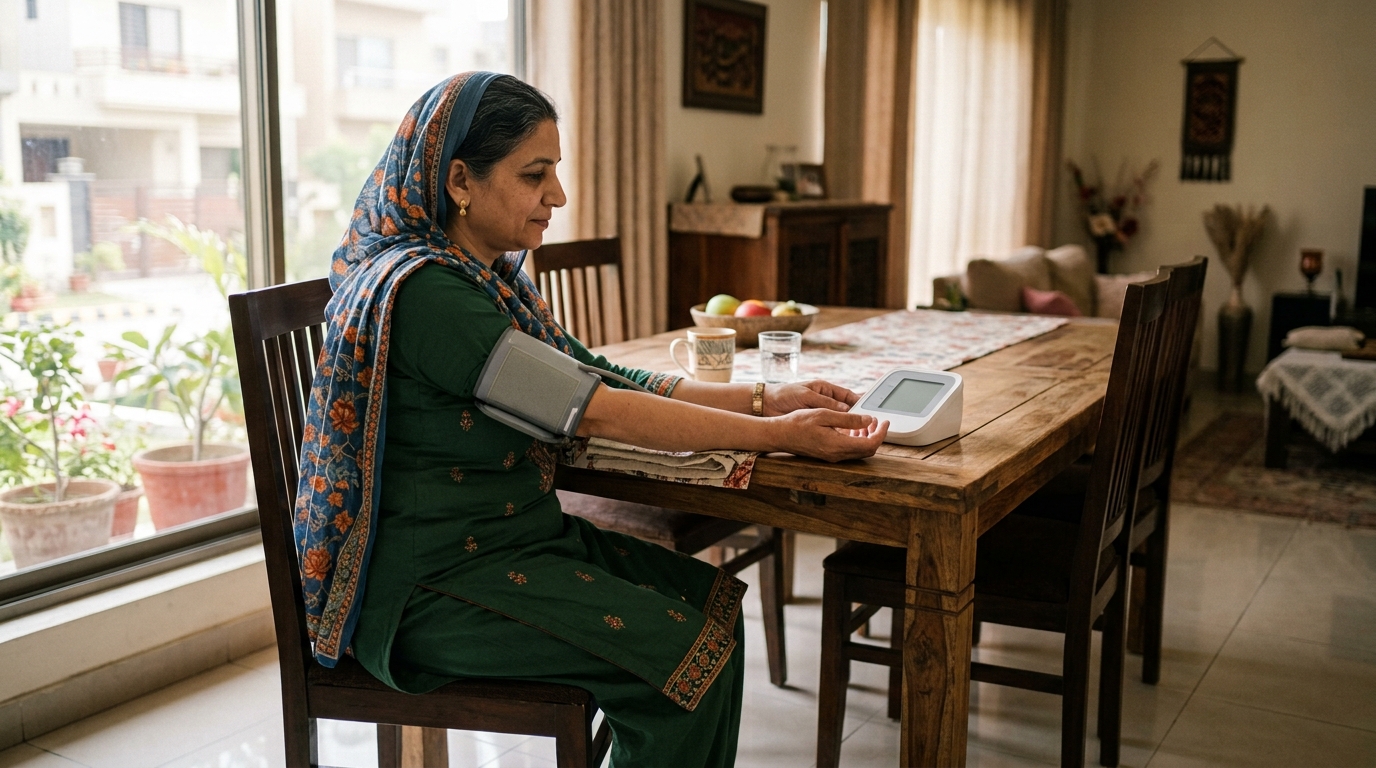
Quick Answer
For adults of every age, normal blood pressure is below 120/80 mmHg. Readings of 120 to 129 systolic count as elevated, 130/80 begins Stage 1 high blood pressure, and 140/90 or above is Stage 2. Age does not change these categories; what changes with age is how common high readings become and how doctors choose to treat them.
Ask ten people in Pakistan what their blood pressure is and eight will not know, yet high blood pressure quietly drives more heart attacks and strokes here than almost anything else. It has no symptoms you can rely on, which is why owning a digital blood pressure monitor at home has moved from a luxury to basic sense, especially for anyone over 40 or with a family history.
This guide gives you the chart cardiologists actually use, explains the two numbers in plain language, and covers the measurement mistakes that produce scary readings from perfectly healthy arms. If you are choosing between models, our comparison of the Omron M1, M2 and M3 explains what the price steps actually buy you.
The Blood Pressure Chart for Adults
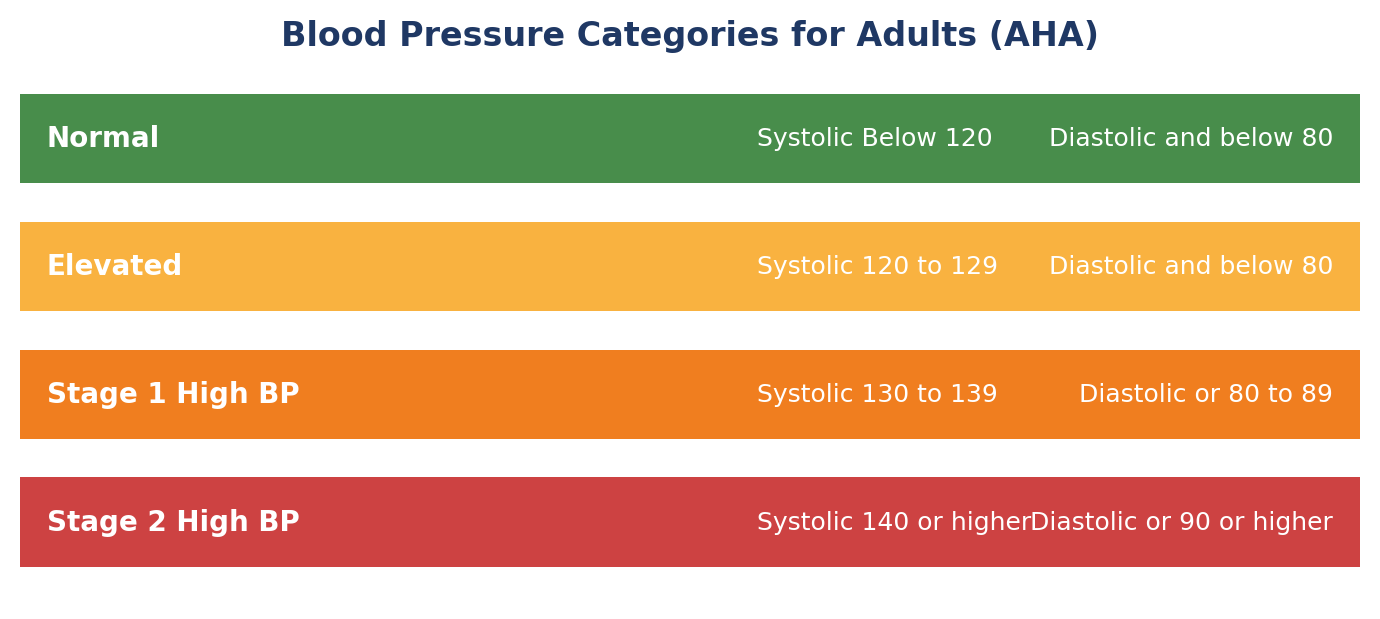
One honest correction to something you will hear often: there is no separate “normal for old age”. A 70 year old with 150/95 does not have normal blood pressure for his age; he has Stage 2 hypertension that happens to be common at his age. Doctors may treat older patients less aggressively to avoid dizziness and falls, but the definition of normal does not move.
| Age group | What actually changes |
| 18 to 39 | High BP is less common but rising fast with weight and salt. One elevated reading deserves a recheck, not panic. |
| 40 to 59 | The decades where hypertension usually starts. Annual checks minimum, home monitoring if any reading crosses 130/80. |
| 60 and above | Systolic tends to rise as arteries stiffen. Treatment targets may be relaxed slightly by your doctor, but 140+ still needs attention. |
What the Two Numbers Actually Mean
The top number, systolic, is the pressure in your arteries at the moment your heart beats. The bottom number, diastolic, is the pressure between beats while the heart refills. Both matter. After age 50, doctors watch systolic more closely because stiffening arteries push it up first. A reading like 145/78 is still Stage 2 even though the bottom number looks fine; either number crossing its line puts you in that category.
Correct Posture: Where Most Home Readings Go Wrong
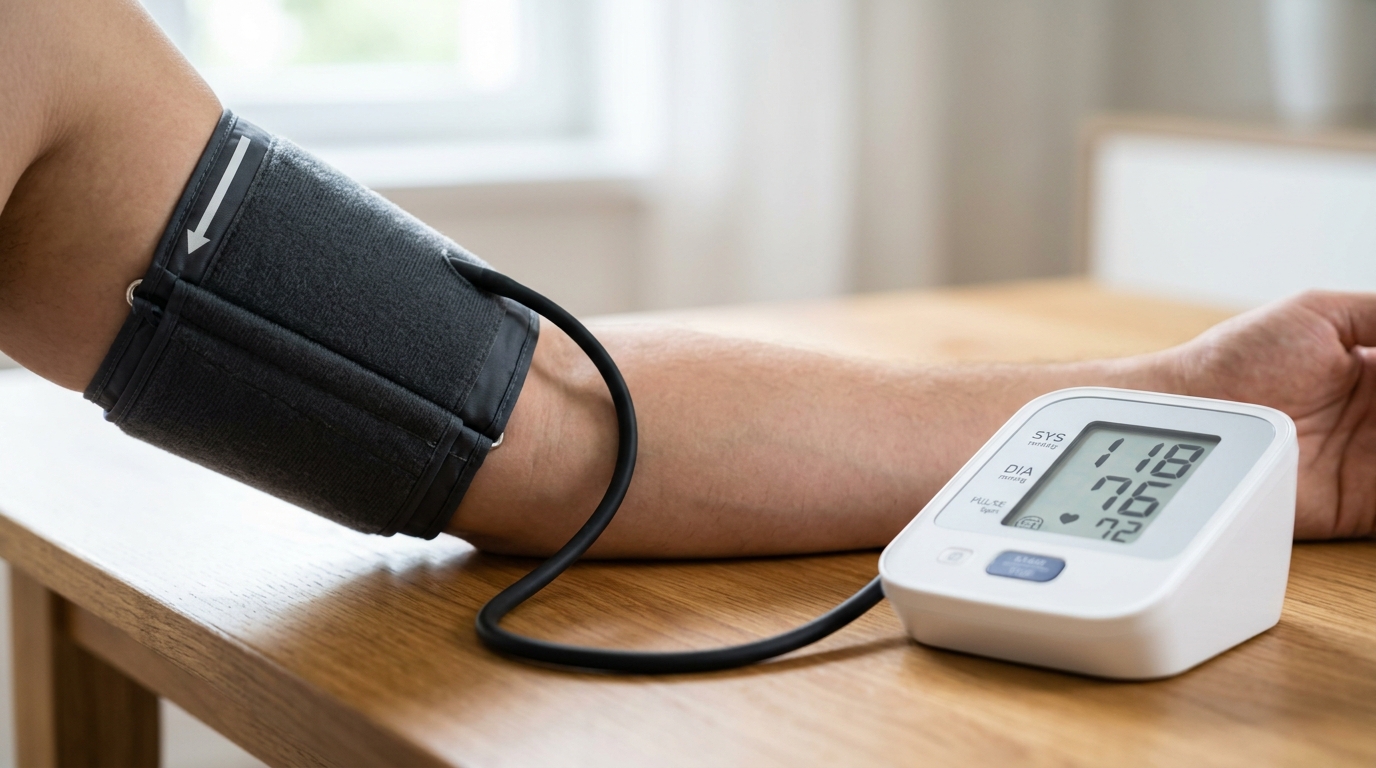
Blood pressure is genuinely sensitive to how you sit. The same arm can produce differences of 10 to 20 mmHg based purely on position, which is enough to move you between categories on paper.
| Rule | Why it matters |
| Sit quietly for 5 minutes first | Walking to the chair raises systolic 5 to 10 points |
| Back supported, feet flat on floor | Crossed legs add up to 8 mmHg |
| Arm resting at heart level on a table | Arm hanging down reads high; arm too high reads low |
| Cuff on bare skin, correct size | A small cuff on a large arm can add 10+ mmHg |
| No talking during the reading | Conversation raises pressure measurably |
| No tea, cigarettes or exercise 30 min before | All three push readings up temporarily |
Take two readings a minute apart and record the average. If you use a manual sphygmomanometer with a stethoscope, the classic mercury type sphygmomanometer remains the reference standard clinics trust, though it needs a trained ear. Our guide to checking blood pressure manually walks through the technique step by step.
Why Blood Pressure Changes Through the Day
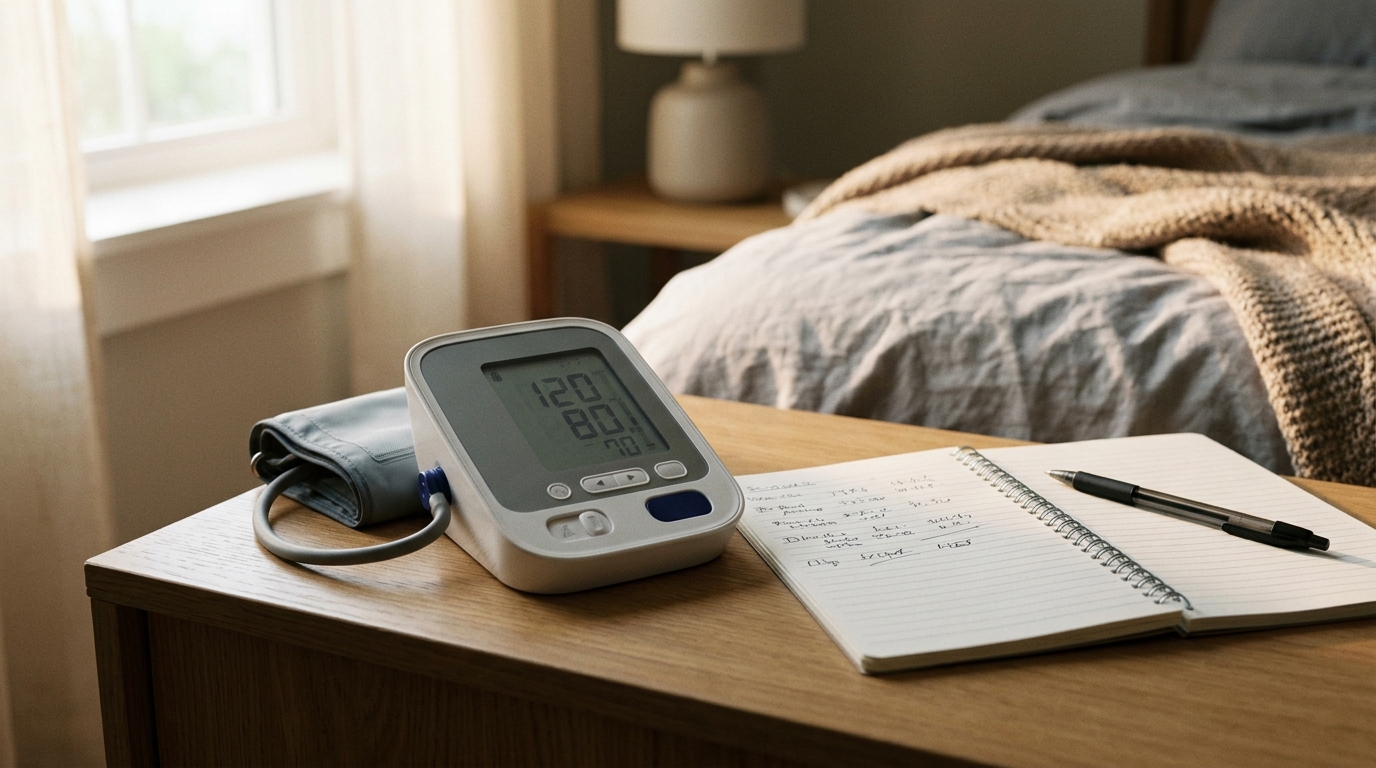
A normal body does not hold one pressure all day. Readings are lowest during sleep, climb sharply in the first hours after waking, and drift through the day with meals, stress, heat and caffeine. This morning surge is real and is exactly why doctors ask for readings at consistent times. The most useful routine is one reading in the morning before breakfast and medication, and one in the evening before dinner, each day for a week. That log tells a cardiologist more than any single clinic reading, where white coat nervousness routinely adds 10 points.
When a Reading Needs a Doctor
Cross 180/120 with headache, chest pain, breathlessness or vision changes and you go to emergency now, not tomorrow. A first ever reading above 140/90 without symptoms needs a recheck after 5 quiet minutes, then readings across several days; if the pattern holds, book a physician. And if you are comparing machine prices before buying, our BP machine price guide for Pakistan covers what each price band realistically delivers.
Frequently Asked Questions
What is normal blood pressure for a 50 year old?
Below 120/80 mmHg, the same as every adult. Readings of 130/80 and above count as high blood pressure at any age.
Which number is more important, top or bottom?
Both define your category, but after age 50 doctors watch the top number more closely because it rises first as arteries stiffen.
What is the best time of day to check blood pressure?
Morning before food, tea and medicines, and again in the evening. Consistency matters more than the exact hour.
Why is my BP high at the clinic but normal at home?
That pattern is called white coat hypertension and it is common. A week of proper home readings is the standard way doctors separate it from true high blood pressure.
Are digital BP machines accurate? Good upper arm digital monitors are accurate enough for home care when used with correct posture and cuff size. Wrist devices are more error prone. Recalibrate or replace any machine that drifts from clinic readings by more than 10 mmHg.
