- Your cart is empty
- Continue Shopping


Oxygen Concentrator vs CPAP vs BiPAP: What’s the Difference
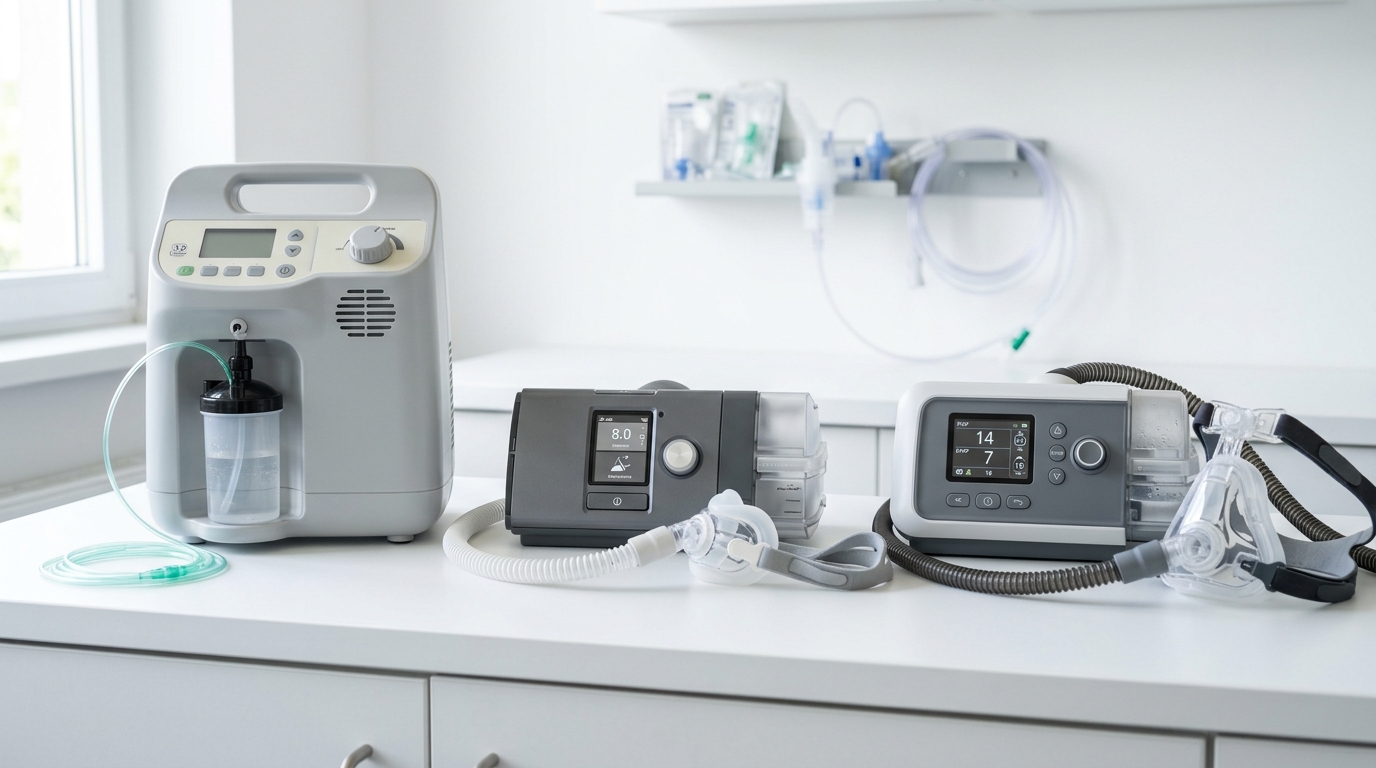
| Quick Answer An oxygen concentrator increases the amount of oxygen in the air you breathe, for people whose blood oxygen is genuinely low. A CPAP machine delivers one constant air pressure to keep the airway open during sleep apnea, it does not add oxygen. A BiPAP machine delivers two different pressures, one for breathing in and a lower one for breathing out, used when CPAP is not enough or hard to tolerate. Some patients with overlapping conditions genuinely need more than one device. |
Confusing an oxygen concentrator with a CPAP or BiPAP machine is extremely common, and the confusion is understandable since all three are boxes that push air through a tube to help someone breathe better. The difference that actually matters is what problem each one solves. An oxygen concentrator treats low blood oxygen. CPAP and BiPAP treat airway collapse during sleep. These are not interchangeable purposes, and using the wrong device will not fix the problem it was not designed for, no matter how good the machine is. You can compare current models across the oxygen concentrator and accessories range while reading through exactly how each device works.
Oxygen Concentrator: What It Does and Who Needs It
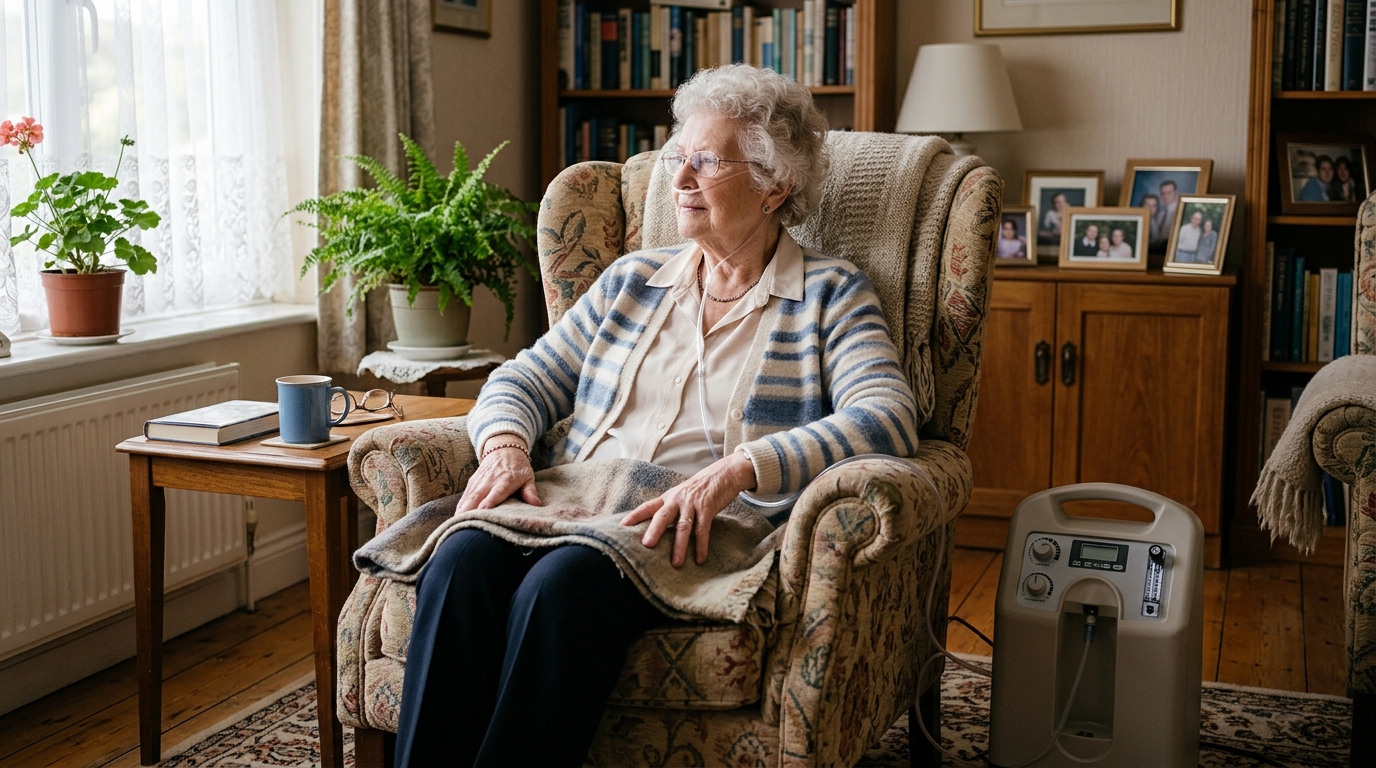
An oxygen concentrator pulls in room air, filters out nitrogen, and delivers concentrated oxygen through a nasal cannula or mask. It is prescribed for people with a measurably low blood oxygen level, a condition called hypoxemia, which is common in advanced COPD, certain lung diseases, and recovery from severe respiratory illness. A pulse oximeter reading, not a feeling of breathlessness alone, is what a doctor uses to confirm someone actually needs supplemental oxygen. Using an oxygen concentrator without a genuine oxygen deficiency does not provide any benefit and is not how the device is meant to be used.
CPAP: Continuous Pressure for Sleep Apnea
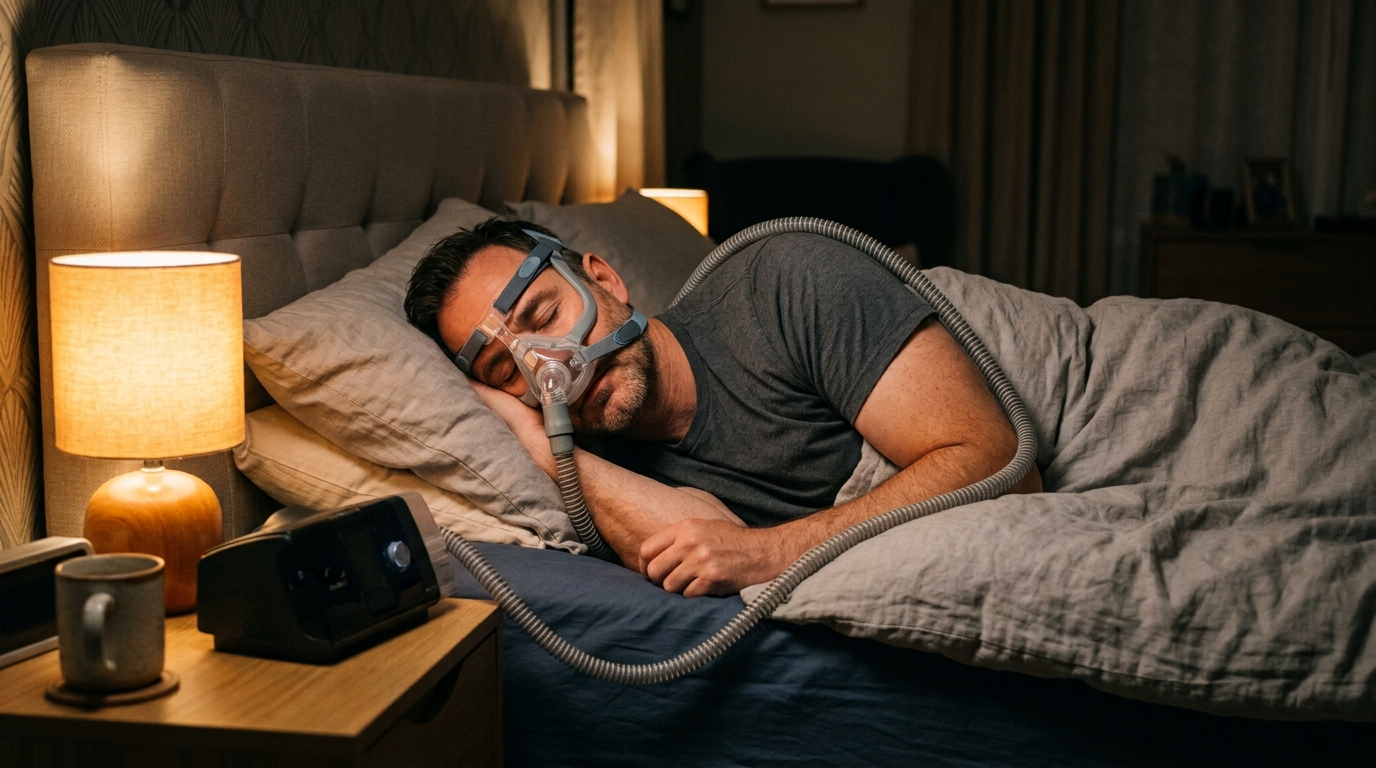
A CPAP machine, short for continuous positive airway pressure, delivers one steady air pressure through a mask worn during sleep. The pressure acts like a splint, holding the throat open so it cannot collapse and cause the pauses in breathing that define obstructive sleep apnea. CPAP does not add oxygen to the air, it simply keeps the airway physically open so normal breathing and normal blood oxygen levels can continue undisturbed through the night. CPAP is the standard first treatment for most people diagnosed with moderate to severe obstructive sleep apnea.
BiPAP: Two Pressure Levels, Used for What
A BiPAP machine, or bilevel positive airway pressure, works on the same principle as CPAP but delivers two different pressures instead of one, a higher pressure for inhaling and a lower pressure for exhaling. This matters for people who find it genuinely difficult to breathe out against a single constant CPAP pressure, which is common in patients with COPD alongside sleep apnea, certain neuromuscular conditions, or central sleep apnea where the brain’s breathing signal itself is affected rather than just the airway collapsing. BiPAP machines are also more expensive than CPAP units, so they are typically prescribed specifically when CPAP has already been tried and has not worked well.
For a deeper breakdown of exactly how these two pressure patterns differ and which symptoms point toward one over the other, our dedicated comparison on CPAP versus BiPAP goes further into the mechanics than this overview covers.
Price Comparison: What Each Device Actually Costs in Pakistan
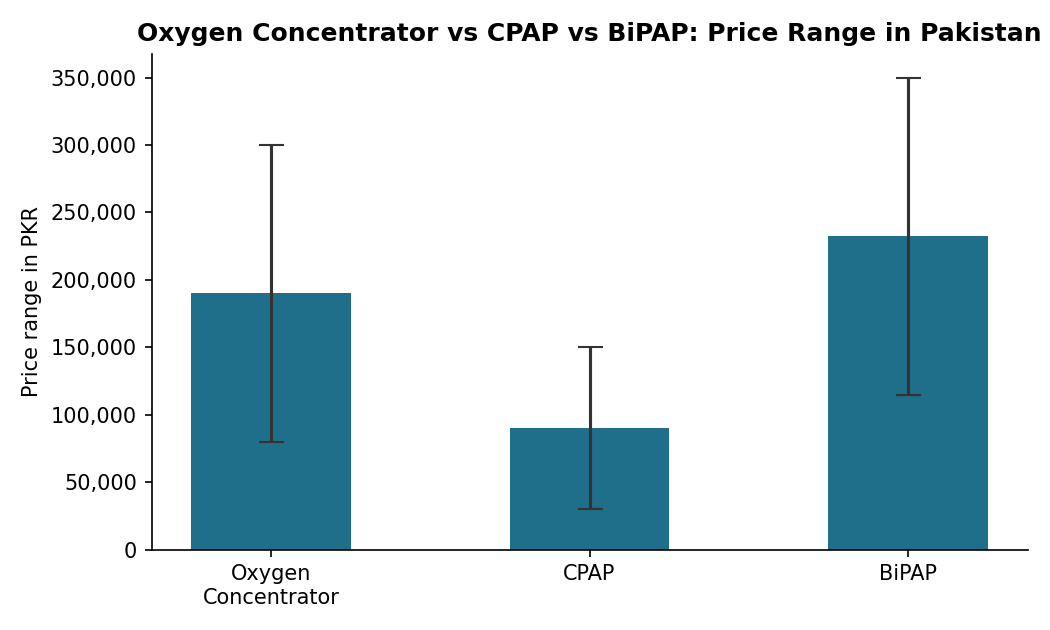
| Device | Typical Price Range (PKR) | Treats |
| Oxygen Concentrator | 80,000 to 300,000 | Low blood oxygen levels |
| CPAP Machine | 30,000 to 150,000 | Obstructive sleep apnea |
| BiPAP Machine | 115,000 to 350,000 | Sleep apnea not helped by CPAP, some COPD and neuromuscular cases |
You can browse current CPAP and BiPAP models directly in the BiPAP and CPAP machine category, and it is worth noting that our earlier comparison of the difference between an oxygen concentrator and an oxygen cylinder is a useful next read if cylinder oxygen is also on your list of options.
How Each Device Actually Feels to Use Nightly or Daily
Beyond the medical explanation, the day to day experience of using each device differs enough to matter for whether a patient actually sticks with treatment. An oxygen concentrator is generally the easiest to tolerate, since it only requires a light nasal cannula rather than a full mask, and many patients use it during the day as well as at night depending on their prescription. CPAP requires wearing a mask that seals against the face for an entire night’s sleep, which some new users find uncomfortable for the first few weeks before adjusting. BiPAP masks are similar to CPAP in appearance, but the changing pressure between inhale and exhale is often reported as more comfortable once a patient is used to it, particularly for those who found a single constant CPAP pressure difficult to breathe against.
Adjustment period matters more than people expect when starting CPAP or BiPAP therapy, and giving up in the first week is one of the most common reasons treatment fails even when the machine and settings are correct. Most sleep specialists recommend persisting through an initial adjustment period of two to four weeks, along with reporting any mask discomfort back to the prescribing doctor rather than assuming the whole therapy is simply not going to work.
Symptoms That Point Toward Each Device
Since the three conditions these devices treat can feel similar day to day, tiredness, breathlessness, poor sleep, it helps to know which specific symptoms tend to point a doctor toward each diagnosis. Low blood oxygen from conditions needing an oxygen concentrator often shows up as breathlessness during simple daily activity, bluish tinge to lips or fingertips in more advanced cases, and a pulse oximeter reading below normal range even while resting. Sleep apnea needing CPAP or BiPAP more often shows up as loud snoring, witnessed pauses in breathing during sleep reported by a partner, morning headaches, and daytime sleepiness despite a full night in bed. These symptom patterns overlap enough in mild cases that self diagnosis is genuinely unreliable, which is part of why a sleep study or oxygen test matters more than guessing from symptoms alone.
Renting Versus Buying Across the Three Devices
All three devices are available to rent in Pakistan, and renting is often the sensible choice for a short term or recovery related need, such as post surgical oxygen support or a trial period on CPAP before committing to a purchase. Oxygen concentrators are the most commonly rented of the three, since oxygen needs frequently change as a patient’s condition improves or a hospital discharge plan specifies a defined recovery window. CPAP and BiPAP machines are more often bought outright once a sleep study confirms an ongoing diagnosis, since the mask and settings tend to be personalized to the individual and are used nightly for years rather than weeks.
Can You Need More Than One Device at Once?
Yes, and this surprises a lot of patients who assume these three devices are competing options rather than sometimes complementary ones. A patient with both obstructive sleep apnea and low blood oxygen from COPD may genuinely need a BiPAP machine that also has an oxygen port, allowing supplemental oxygen to be added to the pressurized air stream. This is not a do it yourself decision, combining oxygen therapy with CPAP or BiPAP pressure settings requires a doctor’s specific prescription, since the settings and oxygen flow rate both need to be calibrated together rather than guessed independently.
If you are unsure which category your situation falls into, the honest first step is a proper sleep study or a blood oxygen test rather than buying based on symptoms alone, since an oxygen concentrator will not fix sleep apnea and a CPAP machine will not fix low blood oxygen, regardless of how similar the devices look sitting next to each other.
Talking to Your Doctor About Which Device Fits Your Case
Walking into a doctor’s appointment already knowing the basic difference between these three devices makes the conversation more productive, since you can describe your actual symptoms clearly rather than asking generally about which machine is best. Mentioning specific details, whether breathlessness happens during activity or at rest, whether a partner has noticed breathing pauses during sleep, and how consistently tired you feel during the day even after a full night in bed, helps a doctor narrow down which test, a blood oxygen check or a sleep study, is the right starting point rather than guessing at a device first and testing later.
Frequently Asked Questions
What is the main difference between an oxygen concentrator and a CPAP machine?
An oxygen concentrator increases the oxygen content of the air you breathe for people with low blood oxygen. A CPAP machine keeps the airway open with steady air pressure for sleep apnea and does not add oxygen at all.
Can a BiPAP machine replace an oxygen concentrator?
Not on its own. Some BiPAP machines have an oxygen port that allows supplemental oxygen to be added, but the BiPAP pressure function and oxygen supplementation are two separate needs that both require a doctor’s prescription together.
Which is more expensive, CPAP or BiPAP?
BiPAP machines generally cost more than CPAP machines in Pakistan, reflecting the more complex dual pressure technology, and are usually only prescribed once CPAP alone has been tried and found insufficient.
Do I need a prescription for an oxygen concentrator, CPAP, or BiPAP?
Yes for all three. Each device treats a specific, medically diagnosed condition, and using the wrong one, or the right one at the wrong setting, does not solve the actual problem and can delay proper treatment.
How do I know if I need an oxygen concentrator instead of a CPAP machine?
A pulse oximeter reading showing low blood oxygen points toward an oxygen concentrator. A sleep study showing breathing pauses during sleep with normal blood oxygen points toward CPAP or BiPAP instead.
