- Your cart is empty
- Continue Shopping



Whether you are setting up a hospital ICU, managing a home care patient with COPD or sleep apnea, or equipping an operating theatre, having the right anesthesia and respiratory care equipment is not optional — it is critical. At Medical Supplies PK, we stock a complete range of respiratory care and anesthesia support equipment including BiPAP machines, CPAP machines, oxygen concentrators, ultrasonic nebulizers, breathing circuits, anesthesia accessories, oxygen regulators, flow meters, and peak flow meters — all from trusted international brands, delivered across Pakistan with expert support.
Anesthesia and respiratory care equipment covers two closely related areas of clinical medicine:
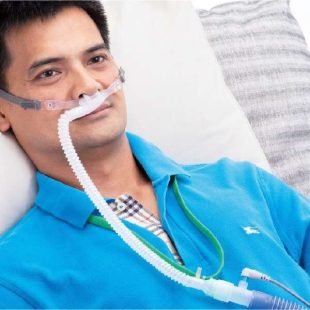
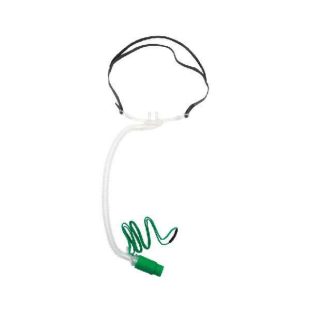
Respiratory Care focuses on supporting, maintaining, or improving a patient’s ability to breathe. This includes devices used at home (like CPAP machines for sleep apnea patients or nebulizers for asthma), as well as hospital-grade equipment such as oxygen concentrators, high-flow nasal cannulas, and breathing circuits for ventilated patients.
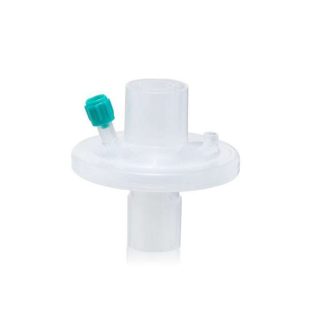
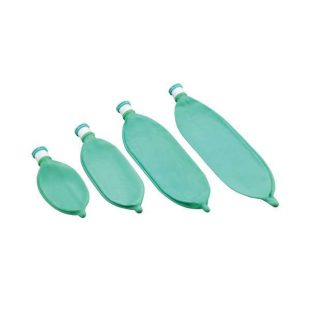
Anesthesia Support covers the equipment used during surgical and procedural sedation — including anesthesia breathing circuits, rebreathing bags, Mapleson circuits, anesthesia masks, and bacterial filters — which ensure a safe, controlled airway during operations.
Together, these devices are among the most critical categories of medical equipment, used in ICUs, OTs, maternity wards, emergency departments, and for long-term home respiratory therapy.
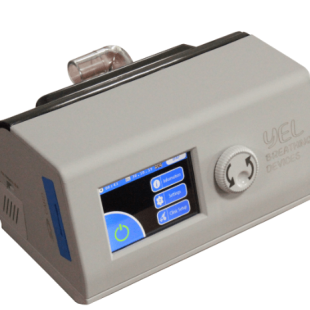
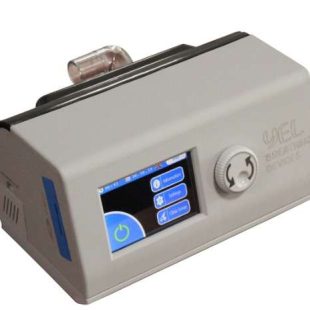
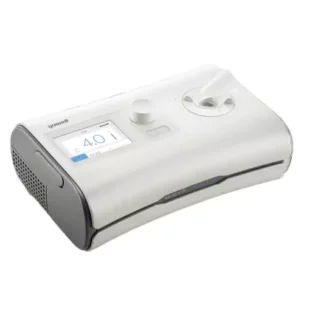
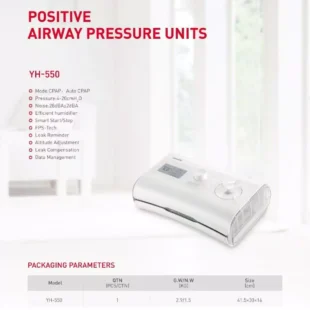
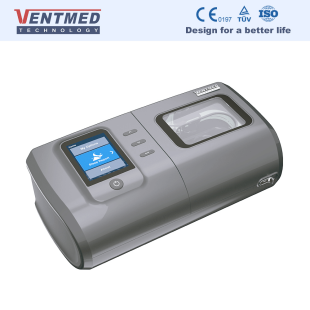
BiPAP (Bilevel Positive Airway Pressure) and CPAP (Continuous Positive Airway Pressure) machines are non-invasive ventilation devices used to treat obstructive sleep apnea (OSA), COPD, and respiratory failure. They deliver pressurized air through a mask to keep the airway open during sleep or periods of respiratory distress.
CPAP machines deliver a single, continuous level of air pressure and are the standard first-line treatment for OSA. BiPAP machines use two pressure levels — higher on inhalation (IPAP) and lower on exhalation (EPAP) — making them better suited for patients who struggle to exhale against constant CPAP pressure, and for those with COPD, heart failure, or neuromuscular conditions affecting breathing.
We currently stock:
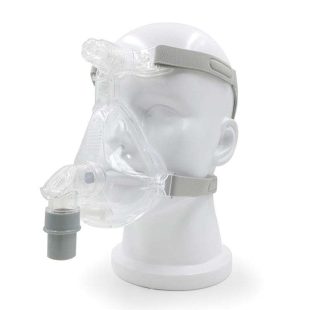
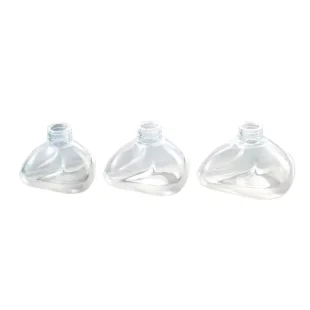
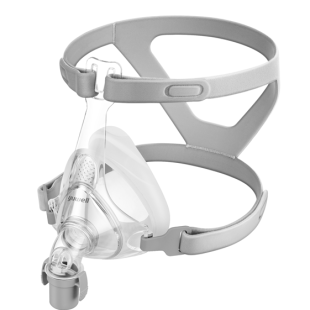
A CPAP or BiPAP machine is only as effective as the mask it delivers air through. A poorly fitting mask causes pressure leaks, skin irritation, dry mouth, and ultimately poor therapy compliance. We stock 7 mask options in different styles — full face masks, nasal masks, and nasal pillow designs — to suit different facial structures and therapy requirements.
Key products include:
If you have already purchased a BiPAP or CPAP machine and need a replacement mask, contact us on WhatsApp to confirm compatibility before ordering.
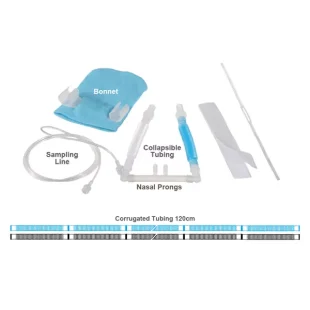
This is our largest subcategory with 18 products covering the full range of anesthesia circuit and breathing circuit requirements for hospitals, operation theatres, and ICUs.
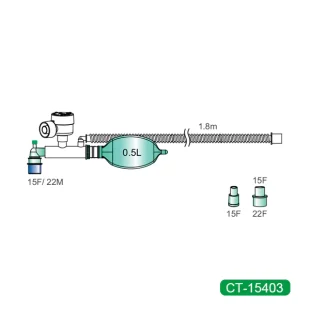
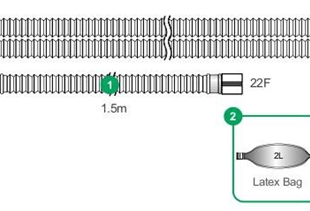
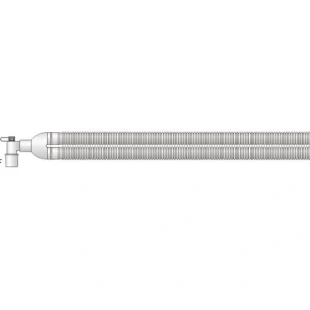
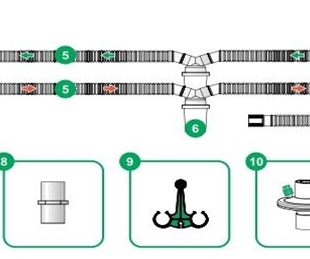
Breathing Circuits (also called patient circuits or ventilator circuits) connect the ventilator or anesthesia machine to the patient’s airway. They must be the correct type for the patient (adult, pediatric, or neonatal) and procedure.
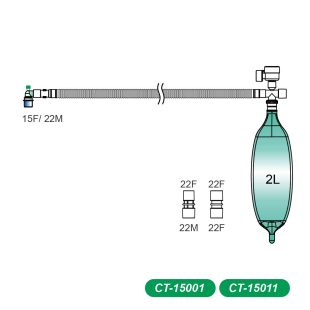
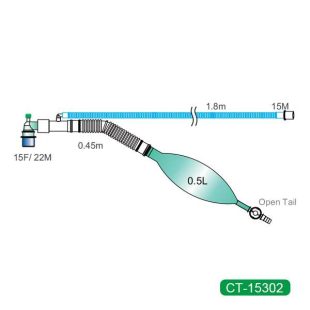
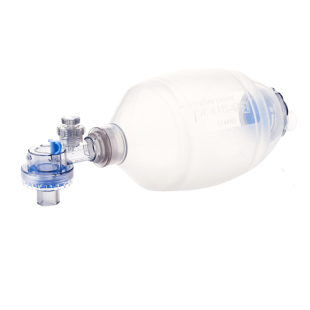
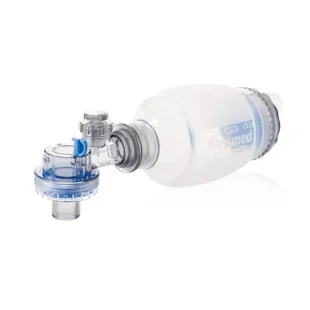
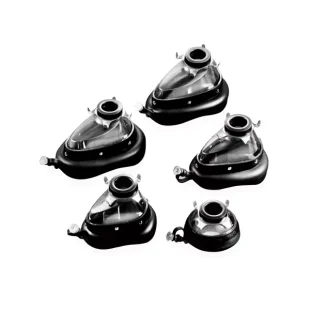
Anesthesia Accessories include Mapleson circuits, rebreathing bags, anesthesia masks, bacterial filters, and ambu bags — all essential for safe airway management during sedation and surgery.
Key products include:
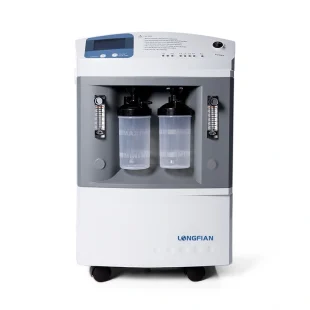
An oxygen concentrator is an electrically powered device that draws in ambient air, filters out nitrogen, and delivers concentrated medical-grade oxygen (87–96% purity) to the patient via a nasal cannula or mask. Unlike oxygen cylinders, concentrators do not run out — they produce oxygen continuously as long as they are plugged in, making them ideal for long-term home oxygen therapy.
Oxygen concentrators are prescribed for patients with COPD, pulmonary fibrosis, severe asthma, heart failure, and other chronic conditions that reduce blood oxygen levels. They are also used in hospitals for bedside supplemental oxygen delivery.
Key products include:
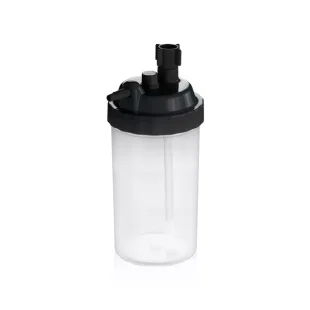
The humidifier bottle is an essential accessory — it adds moisture to the dry oxygen flow, preventing nasal dryness and discomfort during extended therapy.
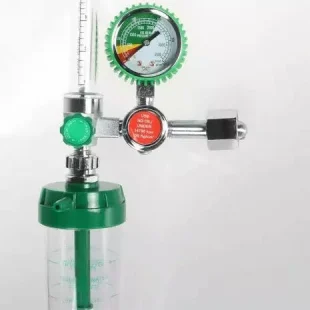
Oxygen regulators and flow meters are attached directly to oxygen cylinders or wall-mounted oxygen outlets to control and measure the rate of oxygen delivery to the patient. They are essential in hospitals, clinics, and ambulances for precise oxygen therapy management.
A flow meter measures the oxygen flow rate in litres per minute (L/min), while the regulator reduces the high-pressure gas from the cylinder to a safe, usable pressure level.
Key products include:
A peak flow meter is a small, handheld device used to measure Peak Expiratory Flow Rate (PEFR) — how fast a patient can exhale air from the lungs. It is a standard monitoring tool for asthma management, helping patients and doctors track lung function, assess asthma control, and detect early signs of an attack before symptoms worsen.
Peak flow meters are recommended for regular use by asthma patients at home, and are also used in outpatient clinics and respiratory therapy departments. They are simple, non-powered, and require no batteries.
We currently stock 4 peak flow meter options. Browse the full selection in the Peak Flow Meter.
An ultrasonic nebulizer uses high-frequency sound waves to convert liquid medication into a fine mist that can be inhaled directly into the lungs. Unlike compressor-based nebulizers, ultrasonic models operate silently, are more compact, and deliver medication faster.
Ultrasonic nebulizers are used for the treatment of asthma, COPD, bronchitis, cystic fibrosis, and other respiratory conditions requiring inhaled medication such as bronchodilators or corticosteroids. They are particularly well suited for pediatric and elderly patients who have difficulty using a standard MDI inhaler.
We stock 4 ultrasonic nebulizer models. Browse the full range in the Ultrasonic Nebulizer.
If you are setting up a complete respiratory or critical care setup, you may also need equipment from our other categories:
100% Genuine Products — Every product we sell is sourced from verified suppliers. We do not stock counterfeit or substandard equipment. This is especially important for respiratory devices where product quality directly affects patient safety.
Wide Range Under One Roof — From a Rs. 450 bacterial filter to a Rs. 180,000 oxygen concentrator, we stock the full respiratory care spectrum. Hospitals, clinics, and home care buyers can source everything from a single trusted supplier.
Competitive Pricing — Our pricing is among the most competitive for genuine medical equipment in Pakistan. We also offer bulk pricing for hospitals and distributors.
Fast Delivery Nationwide — We deliver to Lahore, Karachi, Islamabad, Rawalpindi, Faisalabad, Multan, Peshawar, and all major cities across Pakistan. Most orders dispatch within 24 hours.
Expert WhatsApp Support — Not sure which BiPAP machine is right for your patient, or which breathing circuit fits your ventilator? Our team understands the equipment and can help you get it right before you order. Reach us at (+92) 340 4429747.
Q: What is the difference between a BiPAP machine and a CPAP machine? CPAP delivers one fixed pressure level continuously. BiPAP delivers two pressure levels — higher during inhalation to support breathing and lower during exhalation for comfort. BiPAP is better suited for patients with COPD, respiratory failure, or those who cannot tolerate the single pressure of CPAP.
Q: Can I use a CPAP or BiPAP machine with an oxygen concentrator? Yes. Many patients with COPD or OSA overlap syndrome use both together. The oxygen tubing from the concentrator connects to the PAP machine between the mask and the input valve. Make sure your concentrator delivers continuous flow oxygen, not pulse dose, for this setup to work properly.
Q: What is a breathing circuit used for? A breathing circuit connects a patient’s airway to an anesthesia machine or ventilator, delivering controlled gas mixtures for sedation or mechanical ventilation. Different circuit types (Mapleson C, D, F, patient circuit) are used based on the patient age, procedure type, and the equipment being used.
Q: What is an oxygen concentrator and how is it different from an oxygen cylinder? An oxygen concentrator is an electric device that continuously extracts oxygen from room air — it never runs out as long as it has power. An oxygen cylinder stores a fixed volume of pre-filled oxygen and eventually empties. For long-term home oxygen therapy, a concentrator is more practical and cost-effective. For emergency transport or power outage backup, cylinders remain essential.
Q: Do you offer bulk pricing for hospitals and distributors? Yes. We offer bulk order pricing for hospitals, nursing homes, medical distributors, and wholesale buyers. Contact us on WhatsApp at (+92) 340 4429747 or visit the Contact Us page for a custom quote.
Q: What is a peak flow meter and who should use it? A peak flow meter measures how fast you can push air out of your lungs. It is recommended for all asthma patients to use daily, especially those with moderate to severe asthma. Regular readings help detect early worsening of asthma before you feel the symptoms, allowing early action to prevent an attack.