- Your cart is empty
- Continue Shopping


What Do the Two Blood Pressure Numbers Mean?
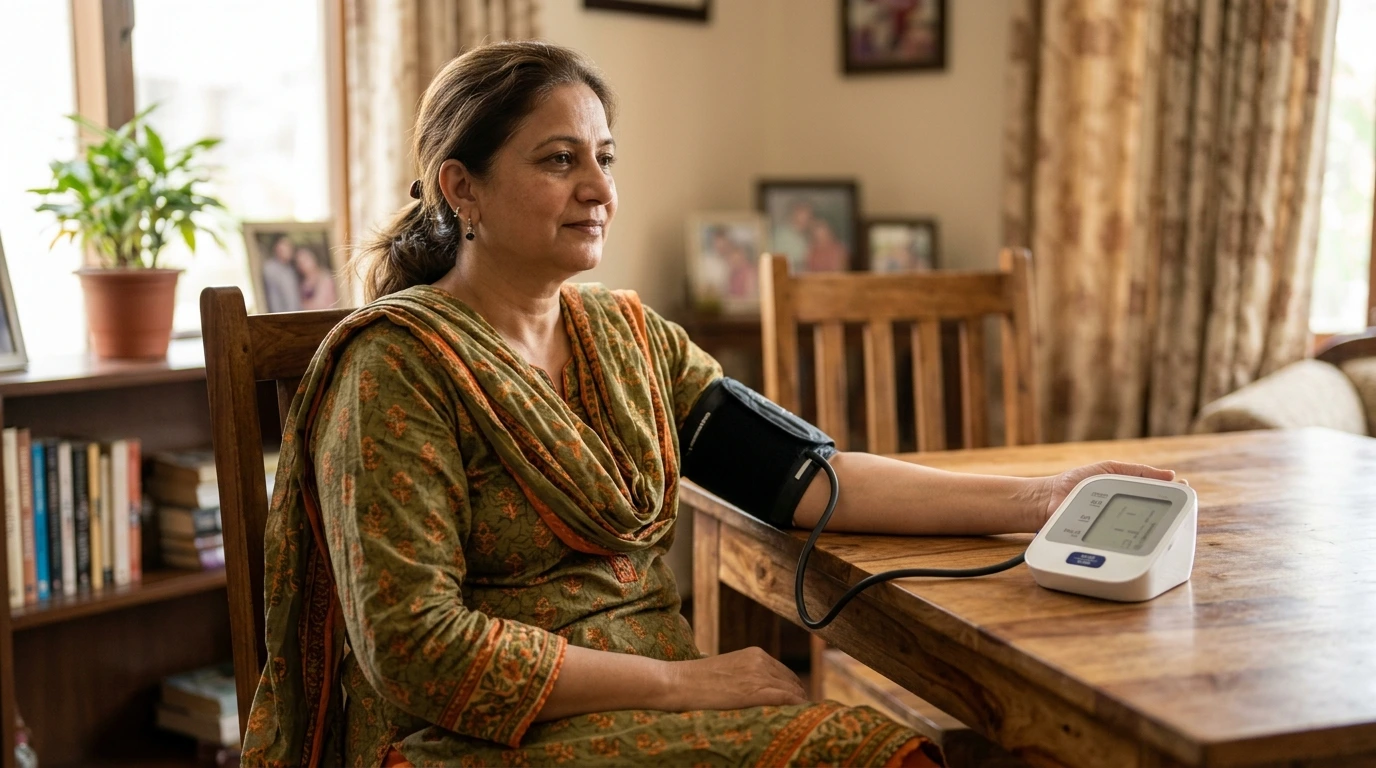
Quick Answer
The top number (systolic) is the pressure in your arteries at the moment the heart beats and pushes blood out. The bottom number (diastolic) is the pressure between beats, while the heart rests and refills. A reading of 120/80 mmHg or below is considered normal, and 140/90 or above on repeated readings is high blood pressure needing a doctor’s attention. Both numbers matter; after age 50 the top number usually matters more, while in younger adults a raised bottom number is often the earlier warning.
Everyone in Pakistan knows their “upper” and “lower” blood pressure, yet very few people can say what the two numbers actually measure, which makes readings hard to act on. The mechanics are simple. Your heart is a pump that works in a cycle: it squeezes, blood surges into the arteries and pressure peaks; then it relaxes for a moment to refill, and pressure falls to its resting floor. A blood pressure reading simply captures the ceiling and the floor of that cycle. 120/80 means the pressure peaks at 120 mmHg with each beat and never falls below 80 between beats.
Why record both? Because they can misbehave independently, and each pattern tells a different story. A high top number with a normal bottom number is the classic pattern of aging, stiffening arteries. A high bottom number in a 35 year old office worker is often the first quiet sign of developing hypertension, years before the top number follows. And the gap between the two numbers is information in its own right. This guide explains what each number reveals, which one deserves more of your attention at your age, and how to react to the readings your digital blood pressure monitor shows, without panicking over a single measurement.
The Two Numbers, Side by Side

| Systolic (top number) | Diastolic (bottom number) | |
| What it measures | Peak artery pressure when the heart beats | Artery pressure while the heart rests between beats |
| Normal at rest | Below 120 mmHg | Below 80 mmHg |
| Mainly influenced by | Force of the heartbeat, stiffness of large arteries | Resistance in smaller blood vessels |
| Rises most with | Age, stress, activity, stiff arteries | Weight, salt, early hypertension in younger adults |
| High reading pattern | Common after 50 as arteries stiffen | More telling before 45 |
Both numbers count. Treatment decisions are made when either number is persistently high, not only when both are.
What Your Reading Means
| Reading (mmHg) | Category | What to do |
| Below 120 / below 80 | Normal | Maintain habits; check occasionally |
| 120–129 / below 80 | Elevated | Lifestyle attention; recheck regularly |
| 130–139 / 80–89 | Stage 1 high (by newer guidelines) | Home monitoring pattern plus doctor review |
| 140/90 or above | High blood pressure by all guidelines | Doctor visit; this is the treatment threshold most Pakistani physicians use |
| 180/120 or above | Crisis range | Rest 5 minutes, recheck; if still there, seek urgent care |
Two honest notes. First, no diagnosis is made from one reading; blood pressure must be high on separate days, measured properly, before it is labelled hypertension. Second, guidelines differ slightly between American and international bodies on where “high” begins, but every guideline agrees that repeated readings at or above 140/90 need medical attention. What counts as expected also shifts with age, which we broke down in our normal blood pressure by age chart.
The Gap Between the Numbers: Pulse Pressure
Subtract the bottom number from the top and you get pulse pressure. At 120/80 that gap is 40, which is typical. A persistently wide gap, such as 160/70 in an elderly person, usually reflects stiff, aged arteries and is itself linked to heart risk, which is one reason doctors do not celebrate a low bottom number when the top is high. A very narrow gap is less common and worth a doctor’s look if it appears repeatedly. You do not need to manage pulse pressure yourself; you only need to report both numbers honestly rather than rounding them into one impression of “normal.”
Why Both Numbers Change Through the Day, and How to Measure So They Mean Something
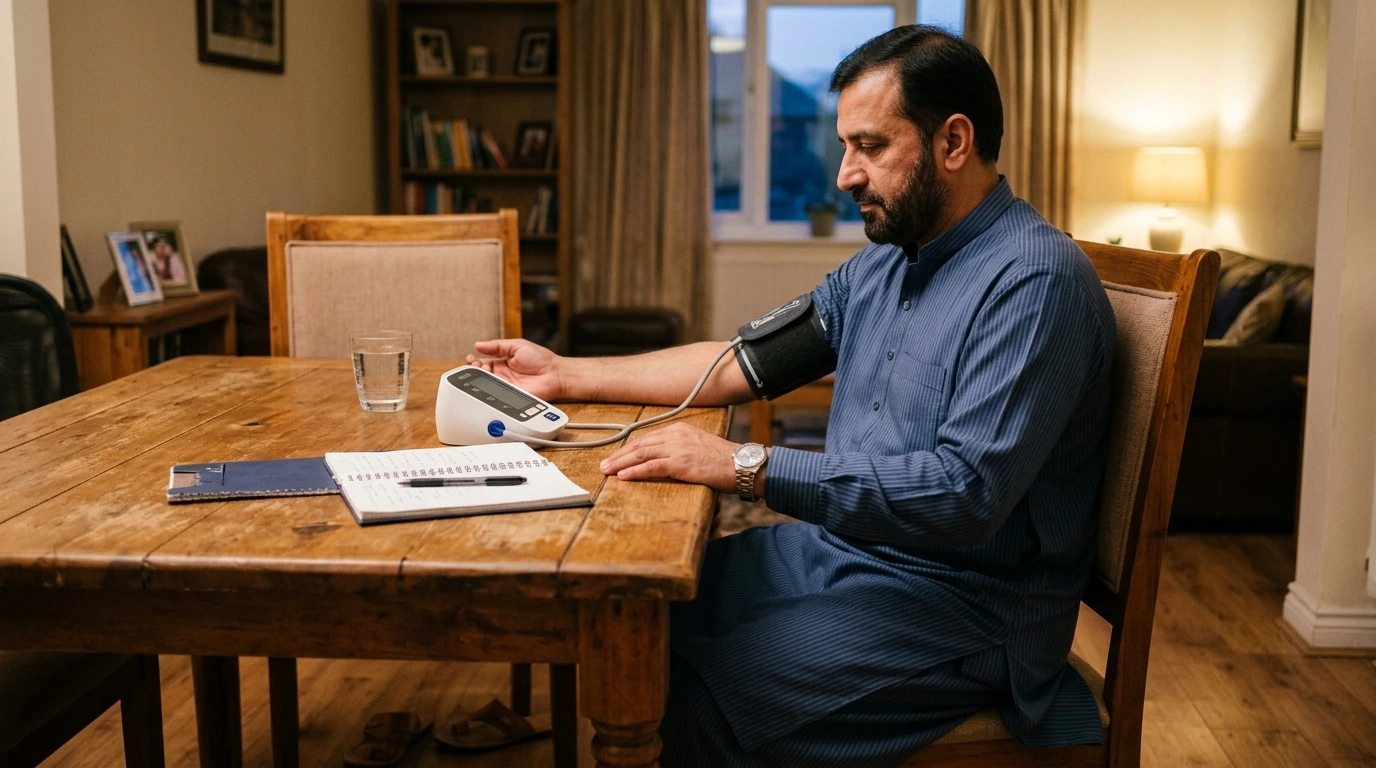
Blood pressure is a live signal, not a fixed trait. It runs higher in the morning, dips at night, spikes with chai, stress and a full bladder, and drops after a hot bath. Single readings taken at random moments mostly measure your moment, not your health. The pattern that means something: seated quietly for 5 minutes, back supported, feet flat, arm resting at heart level, cuff on bare skin, no talking, two readings a minute apart, morning and evening for a week. Crossed legs add roughly 5 to 8 points, talking adds around 10, and a full bladder can add 10 to 15, which is how perfectly healthy people scare themselves at pharmacy counters. Log both numbers every time; a week of honest pairs tells your doctor more than a year of occasional dramatic readings.
Frequently Asked Questions
Which number is more important, systolic or diastolic?
Both are used, but after age 50 the systolic (top) number is usually the stronger predictor of heart risk, while in adults under about 45 a raised diastolic (bottom) number is often the earlier warning sign. Persistent elevation of either one matters.
What does it mean if my top number is high but bottom is normal?
That pattern, called isolated systolic hypertension, is the most common form after middle age and usually reflects stiffening arteries. It still raises heart and stroke risk and still deserves treatment; a normal bottom number does not cancel a high top one.
Is 140/90 high blood pressure?
Yes. Readings repeatedly at or above 140/90 are classified as hypertension in every major guideline and are the usual treatment threshold in Pakistani practice. Confirm with proper technique on separate days, then see a doctor with your log.
What is a dangerous gap between systolic and diastolic?
A pulse pressure persistently above about 60 mmHg, for example 165/75, suggests stiff arteries and higher cardiovascular risk, especially in older adults. It is a pattern to show your doctor, not an emergency by itself.
Why is my bottom number high even though I am young and slim? Diastolic pressure reflects resistance in the small vessels and often rises first in early hypertension, even in lean young adults, with stress, salt, sleep loss and family history all contributing. Repeated readings of 90 or above deserve a checkup regardless of weight.
