- Your cart is empty
- Continue Shopping


Why Are My Glucometer Readings Different Each Time?

Quick Answer
Two glucometer readings taken minutes apart can legitimately differ by 10 to 20 mg/dL and both be correct. International accuracy standards allow home meters a margin of about 15 percent, and your actual blood sugar itself moves from minute to minute. Variation becomes a problem when readings jump 40 or more points on the same drop conditions, when the meter disagrees with a lab test by more than roughly 15 percent, or when the pattern makes no sense against how you feel. Most “faulty meter” complaints trace back to strips, technique or timing, not the device.
The scene repeats in homes across Pakistan every morning: sugar tested on one finger shows 130, tested again on another finger to “confirm” it shows 144, and now nobody trusts the machine. The frustration is understandable, but the expectation is wrong. A glucometer is not a laboratory analyzer shrunk into a pocket; it is a screening tool built to be fast, cheap and close enough to guide decisions. The international standard meters are built to (ISO 15197) requires 95 percent of readings to fall within 15 percent of the lab value. At a true sugar of 150 mg/dL, that means anything from about 128 to 172 is inside the allowed range. Two readings inside that band can sit 20 points apart with nothing being broken.
On top of the meter’s allowance, blood sugar itself is a moving target. It shifts with every passing minute after food, with stress, with the hand you tested, even between capillary blood at the fingertip and the blood a lab draws from a vein. Which is why the useful question is not “why do my numbers differ” but “is the difference within normal limits, or is something in my strips, technique or device creating noise I can fix?” This guide separates the three, and shows how to check a meter properly before replacing it. Understanding which test you performed matters too; if one reading was fasting and the other after chai, that difference is real sugar movement, not error, a distinction we covered in our guide on fasting vs random blood sugar.
How Much Variation Is Normal?
| Comparison | Expected difference | Worry threshold |
| Same finger, back-to-back drops | 5 to 15 mg/dL | Repeated gaps above 35 to 40 |
| Two different fingers | 10 to 20 mg/dL | Consistent large gaps on clean, warm hands |
| Fingertip vs lab (fasting, same time) | Within about 15 percent | More than 15 to 20 percent apart, repeatedly |
| Before vs 2 hours after a meal | 30 to 80 mg/dL rise is common | This is real change, not meter error |
| Morning vs evening | Varies by meals and activity | Judge patterns, not single readings |
The practical rule: react to trends, not to single numbers. One reading of 160 means little; a week of post-meal readings sitting above 180 means a lot.
The Causes, in the Order You Should Check Them
| Cause | How it distorts the reading | Fix |
| Unwashed hands | Traces of fruit, dates or lotion add 50 to 100+ points | Wash with soap, dry fully, retest |
| Squeezing the finger | Tissue fluid dilutes the drop, reads falsely low | Prick the side of the fingertip, let the drop form itself |
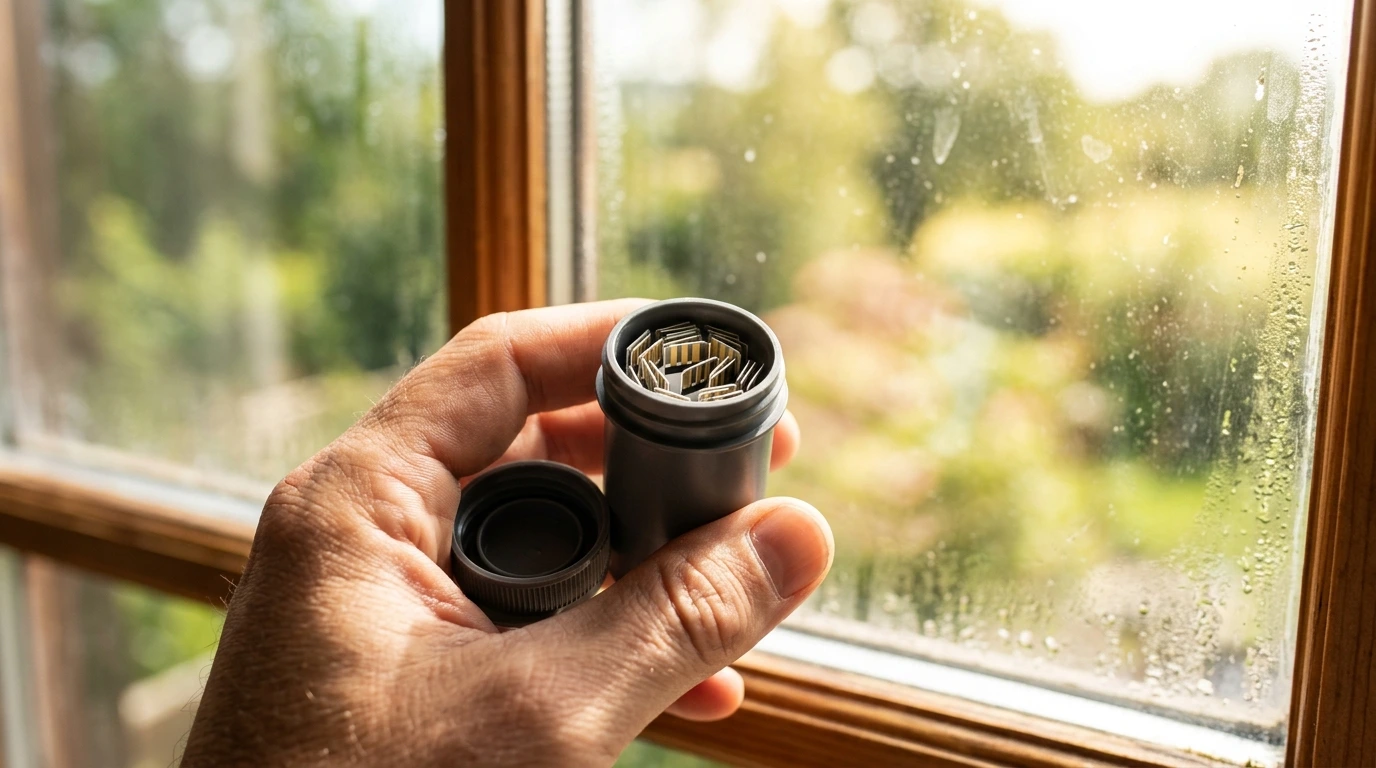
| Damaged or expired strips | Heat, humidity and open vials drift results | Cap the vial tightly, store cool and dry, respect expiry |
| Strips left in a hot car or kitchen | Enzyme on the strip degrades | Store below 30°C; in summer this matters in Pakistan |
| Wet or alcohol-damp finger | Dilutes the sample | Air-dry fully after washing or sanitizer |
| Cold hands, poor circulation | Sluggish capillary blood misleads | Warm and rub hands first |
| Different strip batches | Small calibration differences between lots | Expect small shifts when opening a new vial |
| Anemia or very high hematocrit | Blood thickness changes the strip’s chemistry | Tell your doctor; lab tests matter more here |
Work down the list before blaming the device. In practice, hand washing and strip storage alone explain the majority of “my meter is faulty” complaints.
Testing Whether the Meter Itself Is the Problem
There are two honest checks. First, the control solution test: most brands sell a glucose control liquid; a drop on a strip should read inside the range printed on the strip vial. Second, the lab parallel test: go for a fasting lab test, and within five minutes of the blood draw, test your own finger with your meter. If the meter is within about 15 percent of the lab number, it is doing its job. If it fails both checks with fresh strips, or the same drop tested twice gives wildly different numbers repeatedly, the meter has genuinely drifted and replacement is cheaper than mistrust; a reliable glucometer costs less than the strips you will burn re-testing a device you no longer believe.

One thing a mismatched pattern does not mean: that testing is pointless. Even an imperfect meter tracks direction beautifully. A meter that reads 5 percent high today reads 5 percent high next week too, so the trend line it draws is trustworthy even when a single number is not.
Habits That Make Every Reading More Trustworthy
Test at consistent times so numbers are comparable: fasting on waking, or 2 hours after the first bite of a meal, not random moments. Use one meter, not two; two meters will never agree exactly and will only feed doubt. Log every reading with time and last meal, because a written pattern is what your doctor actually uses to adjust treatment. Keep the strip vial closed except for the seconds it takes to remove one strip, and never transfer strips to another container. And once or twice a year, run the lab parallel test; it costs one fasting test and settles the trust question for months.
Frequently Asked Questions
Why does my glucometer show different readings on different fingers?
Circulation differs slightly between fingers, and each drop is a separate micro-sample. A gap of 10 to 20 mg/dL between fingers on clean, warm hands is normal. Test the same way each time and compare trends, not single numbers.
How much difference between glucometer and lab test is acceptable?
Up to about 15 percent is within international accuracy standards. A fasting lab value of 120 with a meter reading anywhere from roughly 102 to 138 is acceptable agreement. Repeated gaps larger than that deserve a strip check and then a meter check.
Can old or badly stored strips give wrong readings?
Yes, and it is one of the most common causes. Heat, humidity and an open vial degrade the enzyme on strips, drifting results in either direction. Keep the vial tightly capped, store below 30°C, and discard expired strips.
Which reading should I trust if I test twice and get two numbers?
If the two are within 15 to 20 points, treat them as the same result and take the average view. If they are far apart, wash and dry hands, use a fresh strip, and test once more; trust the clean-technique reading.
How do I check if my glucometer is accurate? Use the brand’s control solution and confirm the result falls in the range printed on the strip vial, or test your finger within minutes of a fasting lab draw and compare. Within about 15 percent of the lab means the meter is fine.
