- Your cart is empty
- Continue Shopping


What Is HbA1c and Why Does It Matter?
Quick Answer
HbA1c is a blood test that shows your average blood sugar over the past 2 to 3 months. Below 5.7% is normal, 5.7 to 6.4% is prediabetes, and 6.5% or above on two tests means diabetes. Most people with diabetes aim for around 7% or the personal target their doctor sets. Unlike a glucometer reading, HbA1c cannot be fooled by one careful day of eating; it is the report card, while daily glucometer checks are the daily homework.
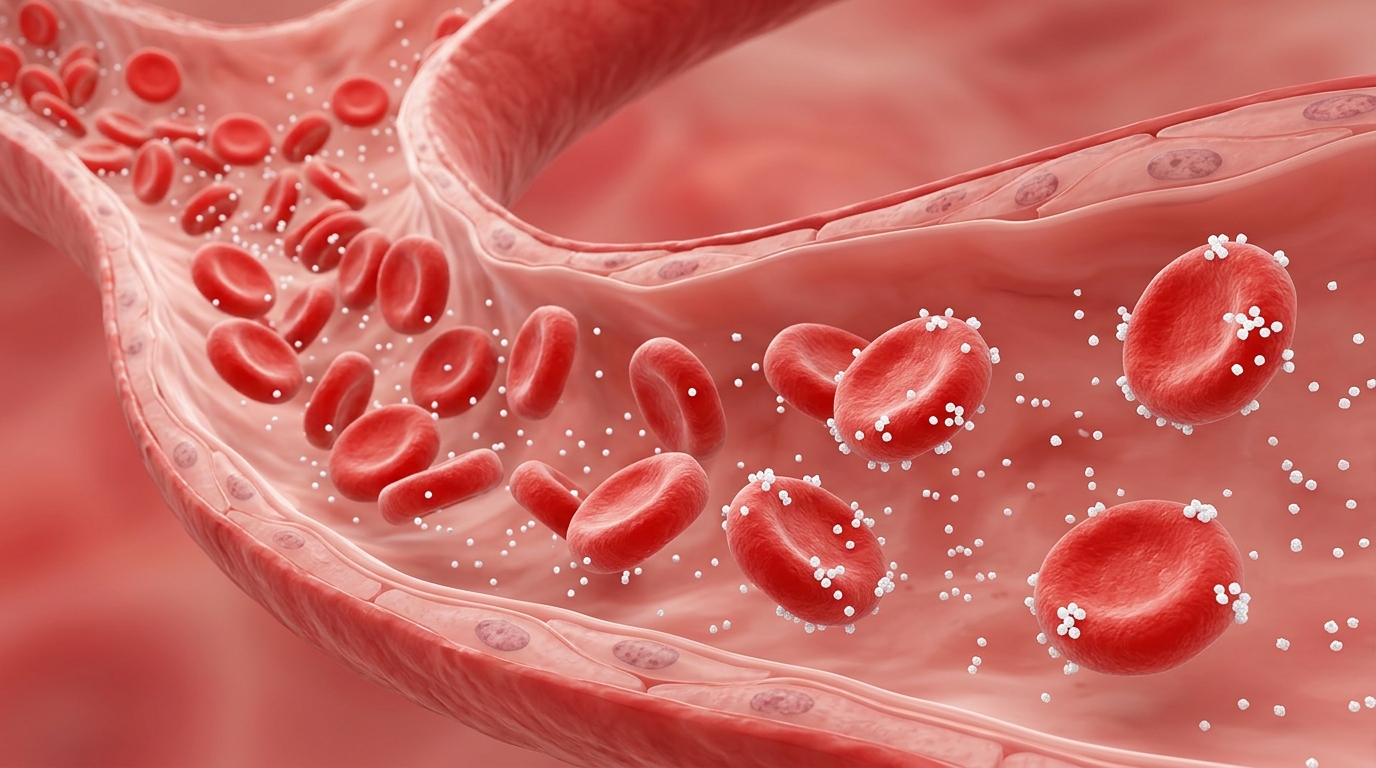
Ask ten people with diabetes in Pakistan what their sugar is, and most will quote this morning’s fasting number. Ask what their HbA1c is, and many have never had the test. That gap matters, because a single glucometer reading is a snapshot of one moment, taken after whatever you ate, slept and worried about in the previous hours. Sugar swings all day. HbA1c works differently: sugar in the blood sticks to the hemoglobin inside red blood cells, and since those cells live about three months, measuring the percentage of sugar coated hemoglobin reveals your true average across that whole period, including every night and every day you did not test.
This is why doctors treat HbA1c as the main steering instrument for diabetes. Daily checks with a glucometer still matter enormously; they catch dangerous highs and lows in the moment and show how specific meals affect you. But the two tests answer different questions, and managing diabetes on glucometer readings alone is like judging a cricket season from one over. This guide explains what the numbers mean, how often to test, and the handful of situations where HbA1c can mislead.
HbA1c Ranges and What They Mean
| HbA1c result | What it means | Approx. average sugar |
| Below 5.7% | Normal | Under 117 mg/dL |
| 5.7% to 6.4% | Prediabetes, the warning zone | 117 to 137 mg/dL |
| 6.5% or above | Diabetes (confirmed on two tests) | 140 mg/dL and up |
| Around 7% | Common treatment target for most diabetics | Around 154 mg/dL |
| 8% and above | Control needs attention; complication risk rising | 183 mg/dL and up |
Targets are personal. A young, newly diagnosed person may aim below 6.5%, while an elderly patient prone to hypoglycemia may be safer at 7.5 to 8%. The right target is a conversation with your doctor, not a universal number.
Why the Number Deserves Respect
Every 1% drop in HbA1c meaningfully cuts the risk of the complications that make diabetes feared: eye damage, kidney damage, nerve damage in the feet, and heart disease. The reverse is equally true, and quietly: an HbA1c of 9% can feel completely fine day to day while damage accumulates. This is the trap of managing by symptoms. High sugar usually hurts nothing today; it collects its payment years later. The test costs roughly Rs 1,200 to 2,500 at labs across Pakistan, needs no fasting, and can be done at any time of day, which makes it one of the highest value tests in all of medicine for the price.
HbA1c vs Glucometer: Not Rivals, Partners
| Question | Right tool |
| What is my sugar right now? | Glucometer |
| Is this meal spiking me? | Glucometer, 2 hours after eating |
| Am I going too low on this medicine? | Glucometer, at the moment of symptoms |
| How controlled have I really been for 3 months? | HbA1c |
| Should my treatment change? | HbA1c, alongside the glucometer diary |
A pattern worth knowing: if your morning glucometer readings look decent but HbA1c comes back high, sugar is probably climbing after meals or overnight, exactly when you are not testing. That mismatch is information, not a faulty meter, though meter accuracy has its own rules about strips, storage and technique that are worth getting right with any home care monitoring device.
When HbA1c Can Mislead
HbA1c rides on red blood cells, so anything that changes those cells changes the number. Anemia and iron deficiency, common in Pakistan especially among women, can falsely raise it. Recent blood loss, blood transfusion, kidney disease and hemoglobin variants can falsely lower or distort it. Pregnancy also changes the picture, which is why gestational diabetes is tracked with glucose tests instead. In these situations doctors lean more on glucometer patterns or a fructosamine test. For everyone else, HbA1c every 3 months when treatment is changing, and every 6 months when stable, is the standard rhythm.
Frequently Asked Questions
What is a normal HbA1c level?
Below 5.7% is normal. 5.7 to 6.4% signals prediabetes, and 6.5% or higher on two separate tests confirms diabetes. Most treated diabetics aim for around 7% unless their doctor sets a different target.
Do I need to fast before an HbA1c test?
No. HbA1c reflects a 3 month average, so food eaten today barely moves it. The sample can be taken at any time of day.
How often should HbA1c be tested?
Every 3 months if your treatment recently changed or control is poor, every 6 months once stable. Testing more often than 3 months apart rarely adds information, because red cells need time to turn over.
Can HbA1c be reduced quickly?
It moves as fast as your 3 month average moves. Consistent diet, walking, medicine compliance and sleep begin shifting it within weeks, but the full effect shows on the next quarterly test. Crash efforts the week before the test change almost nothing.
Why is my HbA1c high when my fasting sugar is normal? Usually because sugar rises after meals or during the night, times a morning fasting check never sees. Testing 2 hours after your largest meal for a week typically reveals the hidden spikes.
