- Your cart is empty
- Continue Shopping


How to Clean a Nebulizer at Home Without Damaging It
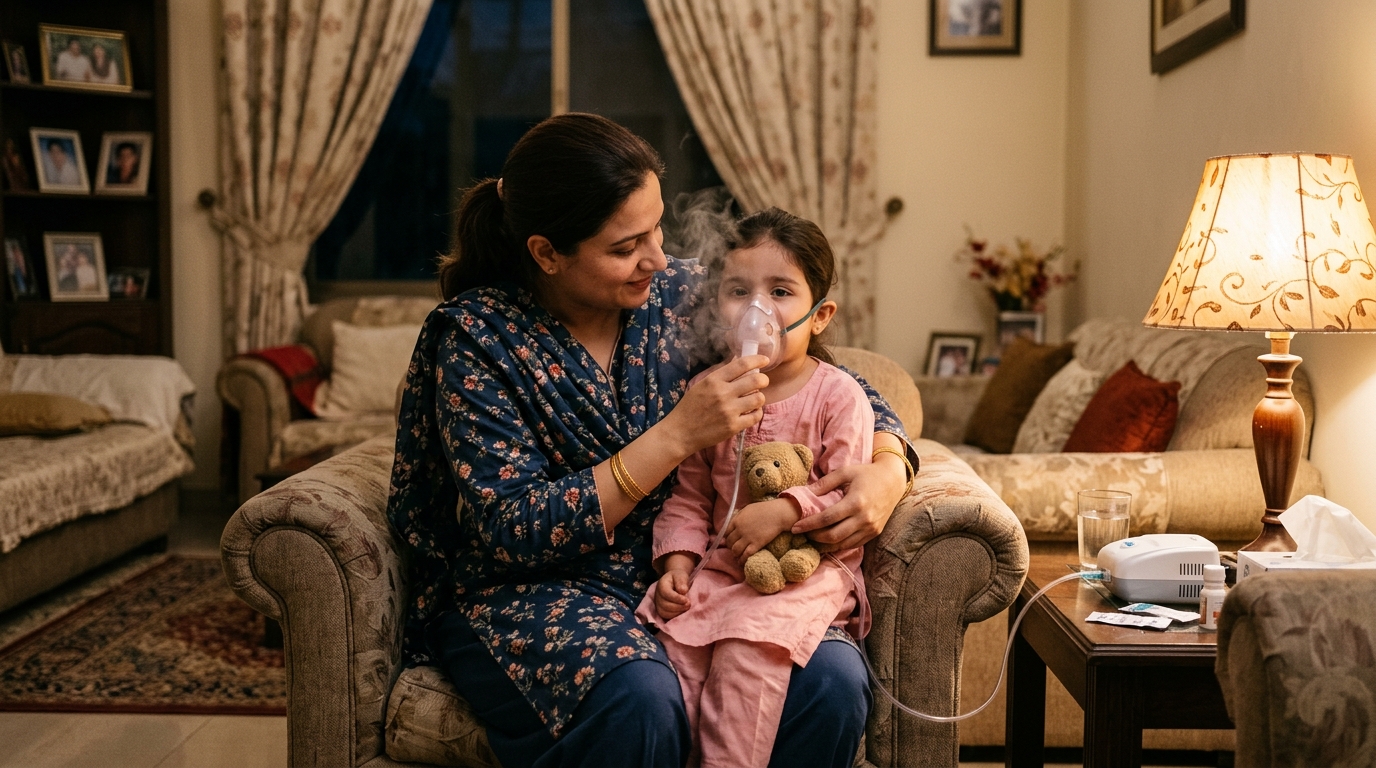
Quick Answer
Rinse the medicine cup and mask with warm water after every single use and air dry them completely. Once or twice a week, disinfect the parts in one of three ways: boil for 5 minutes if the manual allows it, soak in one part white vinegar to three parts water for 30 minutes, or use a chemical disinfectant. Never wash the tubing or submerge the compressor unit itself.
A nebulizer turns liquid medicine into mist that goes straight into the lungs, which means anything growing inside it goes straight into the lungs too. A machine that is used daily and cleaned rarely becomes a warm, damp home for bacteria and mold, and the patient breathing from it is usually a child or an elderly person with already weak lungs. Cleaning is not an optional extra with nebulizer machines; it is half the treatment.
The good news is that proper cleaning takes about two minutes a day and ten minutes a week. This guide covers exactly what to wash, what never to wash, and when parts must simply be replaced. The steps apply to standard compressor units such as the Certeza NB 607 and to most piston machines sold in Pakistan.
First, Know Your Parts
| Part | Wash after every use? | Disinfect weekly? | Replace |
| Medicine cup (nebulizer chamber) | Yes | Yes | Every 6 months, sooner if cloudy |
| Mask or mouthpiece | Yes | Yes | Every 3 to 6 months |
| Air tubing | No, never wash inside | No | Every 2 to 3 months or when moisture appears inside |
| Air filter on compressor | No | No | Per manual, usually every 1 to 2 months when grey |
| Compressor unit (the machine) | Wipe outside only | Never submerge | Years, with care |
The tubing rule surprises people. Water pushed through tubing never fully dries, and trapped moisture inside a dark tube is exactly the environment mold loves. Tubing only carries air, not medicine, so it does not need washing; it needs replacing on schedule.
Daily Cleaning After Every Session
Step 1: Switch off and unplug the compressor. Detach the mask or mouthpiece and the medicine cup from the tubing.
Step 2: Throw away any leftover medicine in the cup. Reusing yesterday’s solution is a false economy that grows bacteria overnight.
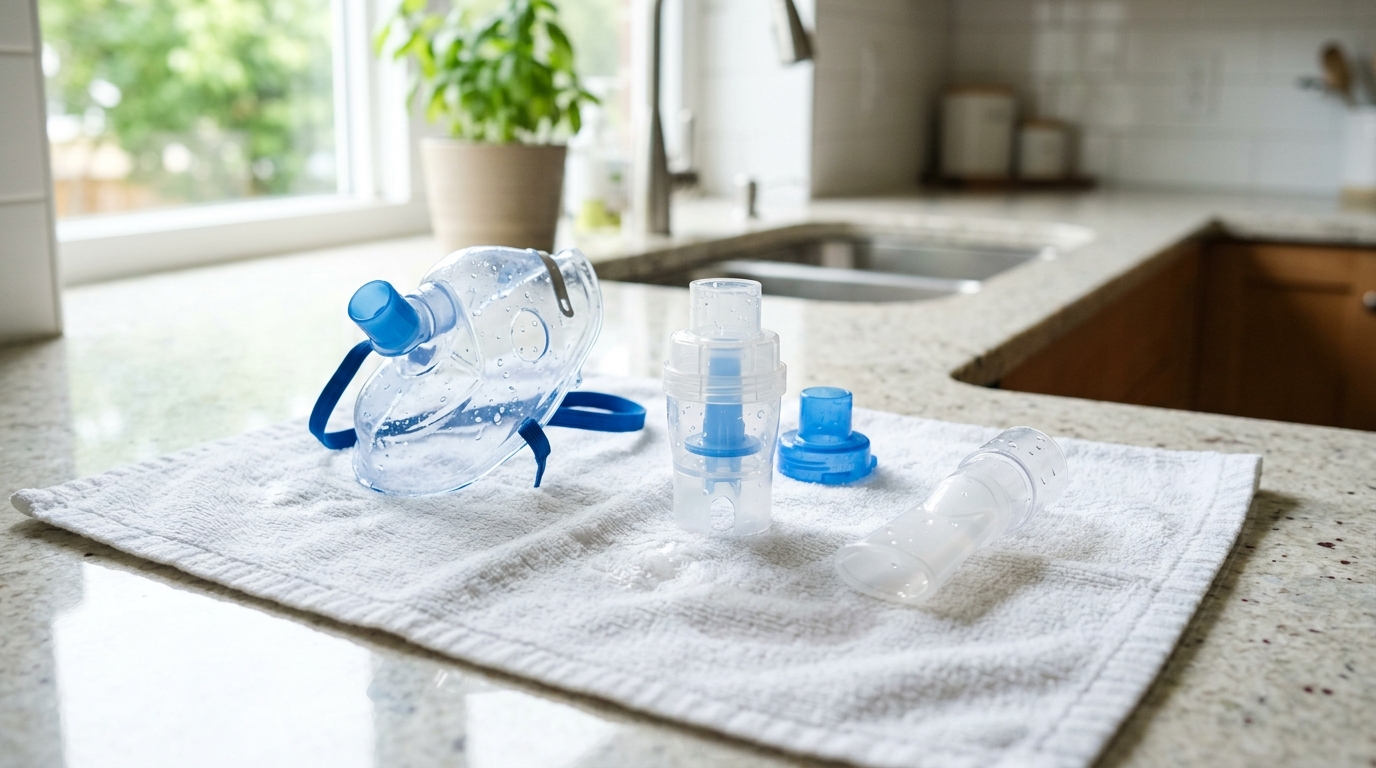
Step 3: Wash the cup and mask in warm water with a drop of mild dish soap. Rinse thoroughly so no soap remains, because soap residue itself irritates airways.
Step 4: Shake off the water and leave the parts on a clean dry towel to air dry fully, ideally on a fresh towel away from the kitchen. Reassemble only when bone dry, then run the machine empty for a few seconds to push dry air through before storing.
Weekly Disinfection: Three Methods That Work
| Method | How | Suitable for |
| Boiling | Fully submerge parts in boiling water for 5 minutes | Only parts the manual marks boil safe. Many cheap masks warp |
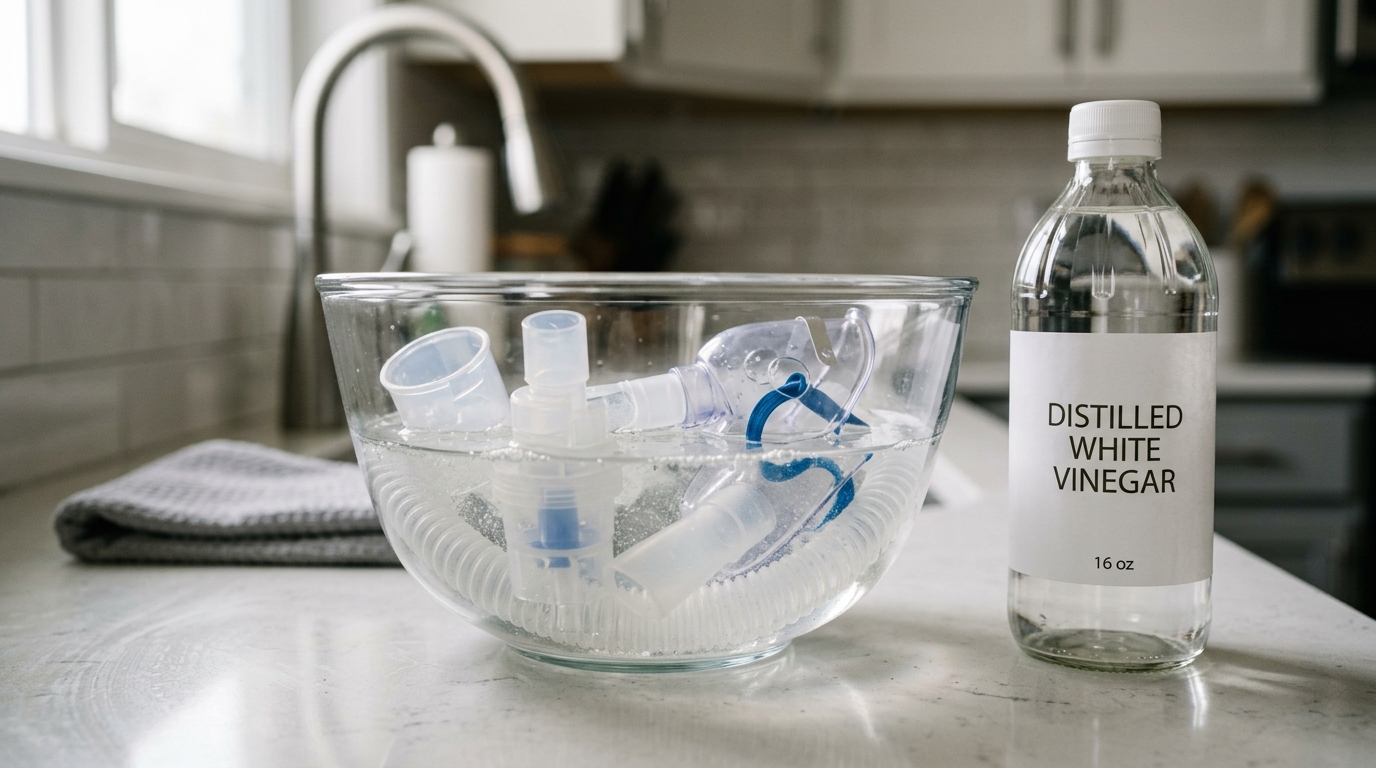
| Vinegar soak | 1 part white vinegar to 3 parts water, soak 30 minutes, rinse well, air dry | All washable parts. The safest default in Pakistan |
| Chemical disinfectant | Per product instructions, then rinse with sterile or boiled cooled water | Households managing serious respiratory illness |
Whichever method you use, the drying step is not decoration. Damp parts sealed in a box undo the entire disinfection. Air dry completely, always.
Signs You Are Cleaning Too Little
A white or cloudy film inside the medicine cup, any smell from the mask, visibly longer misting time for the same dose, or moisture beads inside the tubing all mean the routine is failing. Misting time is worth timing occasionally: a session that used to take 8 minutes and now takes 15 usually means a clogged cup or tired compressor, and a clogged cup is a cleaning problem before it is a machine problem. If a child uses the machine, sizing and hygiene matter double; our guide on child nebulizer machines covers masks that actually fit small faces, and the separate guide on nebulizer medicines for kids explains what should and should not go in the cup.
Storage Between Uses
Store the fully dry assembled set in a clean covered container or zip bag, not loose in a drawer collecting dust. Keep the compressor where its air vents are not blocked. Before every use, a quick look inside the cup takes two seconds and catches most problems early. If your machine is old, loud and slow even after cleaning and a new filter, compare current options in our guide to which nebulizer is best in Pakistan before spending on repairs that rarely last.
Frequently Asked Questions
How often should I clean my nebulizer?
Rinse the cup and mask after every use, disinfect once or twice a week, and replace tubing, masks and filters on their schedule. Daily users should lean toward twice weekly disinfection.
Can I boil all nebulizer parts?
No. Boil only parts the manual marks boil safe. Tubing is never washed or boiled, and the compressor never touches water at all.
Is vinegar enough to disinfect a nebulizer?
Yes for routine home use. A 30 minute soak in 1 part white vinegar to 3 parts water is the standard home method, followed by a good rinse and full air drying.
Why is there moisture inside my nebulizer tubing?
Condensation from humid air or a wet cup. Run the machine with empty tubing for a minute to dry it. If moisture keeps returning or you see spots inside, replace the tubing.
When should I replace the nebulizer mask? Every 3 to 6 months for regular use, immediately if it smells, discolors, cracks or no longer seals softly on the face.
