- Your cart is empty
- Continue Shopping


TENS vs EMS Machine: Which One Should You Buy? Complete 2026 Comparison Guide
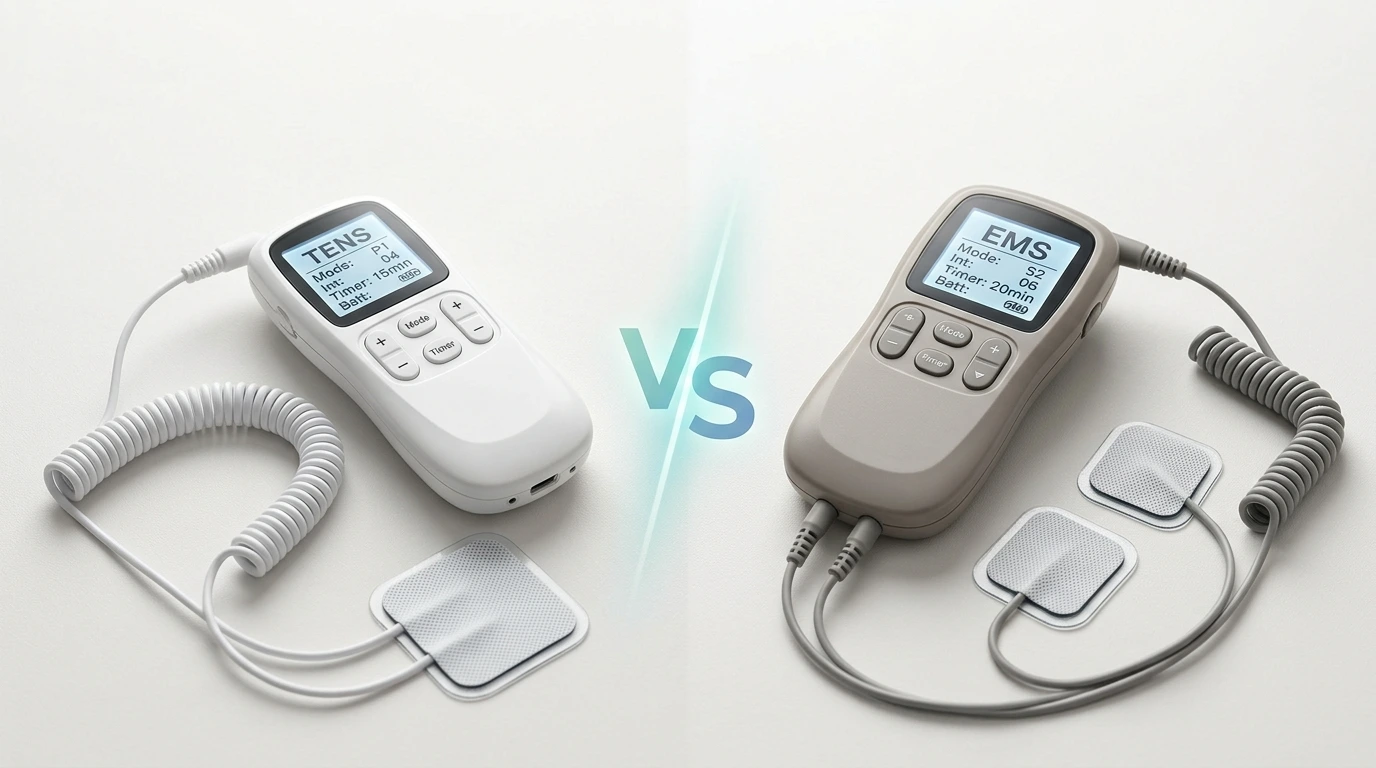
If you have ever walked into a medical equipment store in Pakistan looking for a portable electrotherapy device, you have probably been shown two very similar-looking units called TENS vs EMS machine, and walked out more confused than when you arrived. Both deliver electrical pulses through skin electrodes, both look almost identical from the outside, and both are marketed for pain and physical therapy, but they actually do completely different things to the body. Before comparing the latest TENS machine price with EMS unit prices in the local market, you really need to understand what each device does, who it is designed for, and which one (or both) actually solves your problem. This complete comparison guide gives you the clinical and practical answers in plain language.
What Is a TENS Machine?
Transcutaneous Electrical Nerve Stimulation (TENS) is a pain management therapy. The device delivers low-voltage electrical pulses through electrode pads placed on the skin to stimulate sensory nerves. These pulses interrupt the pain signals travelling to the brain (gate control theory) and also encourage the body’s natural release of endorphins, which is why TENS users often feel relief that lasts for hours after a session ends. TENS is widely used by physiotherapists, gynaecologists during labour, dental clinics, and home patients managing chronic pain conditions like sciatica, arthritis, frozen shoulder, and post-surgical discomfort.
What Is an EMS Machine?
Electrical Muscle Stimulation (EMS) is a muscle therapy. Instead of stimulating sensory nerves, EMS targets motor nerves to cause direct muscle contractions. The pulses are typically stronger and more rhythmic than TENS pulses, and the goal is to improve muscle strength, prevent atrophy in immobilised limbs, retrain weakened muscles after stroke or injury, and support post-surgical rehabilitation. Athletes also use EMS units for warm-up, recovery, and supplementary strength training. EMS does not directly treat pain, although improved muscle function often reduces pain over time.
Side-by-Side: TENS vs EMS
Primary Purpose
TENS blocks pain signals. EMS contracts muscles. This is the single most important distinction.
Pulse Characteristics
TENS uses higher frequencies (typically 50 to 150 Hz) with shorter pulse widths designed for sensory stimulation. EMS uses lower frequencies (typically 20 to 50 Hz) with wider pulse widths designed to depolarise motor neurons and trigger muscle contraction.
Sensation During Use
TENS feels like a gentle tingling or buzzing on the skin. EMS feels like the muscle is being squeezed and released rhythmically, almost like an external trainer flexing the muscle for you.
Treatment Duration
TENS sessions typically run 20 to 60 minutes and can be used multiple times a day. EMS sessions usually run 15 to 30 minutes and need a recovery gap between sessions, just like physical exercise.
Common Conditions Treated
TENS is used for chronic pain, arthritis, sciatica, post-operative pain, period cramps, and labour pain management. EMS is used for muscle wasting, post-stroke rehabilitation, post-surgical muscle re-education, sports recovery, and lymphatic drainage support.
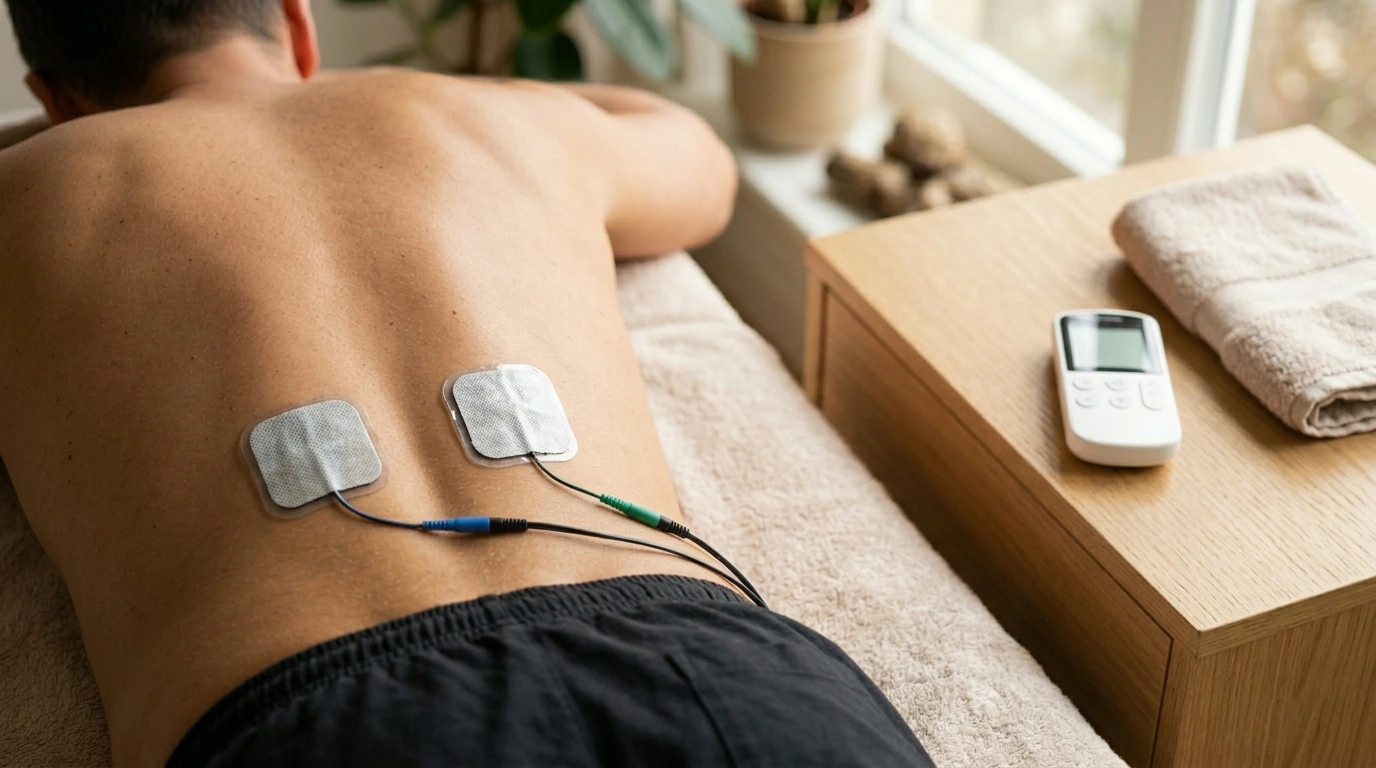
Combination TENS + EMS Units: The Practical Choice
For most home users in Pakistan, the smartest purchase is actually a combination device that includes both TENS and EMS modes. The price difference between a single-mode unit and a quality dual-mode unit is usually small, but the clinical flexibility is enormous. A combination device lets you handle today’s back pain with TENS and tomorrow’s post-injury muscle weakness with EMS using the same hardware. Reputable brands available locally offer dual-mode units in the mid-price segment, and these are now the most-recommended choice for home physiotherapy in the local market.
Average TENS and EMS Machine Price in Pakistan (2026)
Single-channel TENS-only units start around PKR 4,500 to PKR 9,000. Dual-channel TENS-only units run from PKR 8,000 to PKR 15,000. Combination TENS plus EMS dual-channel units, which are the most popular home segment, range from PKR 12,000 to PKR 28,000. Four-channel professional combination units used in physiotherapy clinics fall between PKR 35,000 and PKR 90,000. Premium clinical units with ultrasound and laser therapy integration can exceed PKR 200,000 and are typically purchased by hospitals and rehabilitation centres rather than home users.
Best Dual-Channel TENS Machine Available in Pakistan
For users who want a focused TENS-only unit at an entry price point, the TENS Machine BE 660 Besmed Dual Channel is one of the most reliable options on the local market. Designed specifically for pain relief rather than muscle stimulation, this dual-channel digital unit lets you treat two body areas simultaneously, which is ideal for patients dealing with bilateral knee pain, both-shoulder discomfort, or simultaneous lower back and neck issues. The LCD display shows treatment parameters clearly, the digital operation reduces user error compared with old-style analogue dials, and the maximum frequency output of 200 Hz gives flexibility for treating both acute sharp pain and chronic deep pain. The 10-minute preset timer helps users avoid overtreatment, and the ergonomic design with large buttons makes it suitable for elderly users with limited dexterity. For physicians wanting to recommend a non-pharmaceutical alternative to NSAID-based pain medications, this kind of dedicated TENS unit is genuinely a useful tool to know about.
Who Should Buy TENS, EMS, or Both?
Buy TENS If
Your primary problem is pain that limits daily activity. Examples include chronic lower back pain, sciatica, arthritis flare-ups, post-operative recovery, frequent menstrual cramps, or labour pain preparation.
Buy EMS If
Your primary problem is muscle weakness, atrophy, or rehabilitation. Examples include post-stroke recovery, post-surgical immobilisation, sports injury rehabilitation, or supplementary strength training during recovery from illness.
Buy a Combination Unit If
You want flexibility, you have multiple family members with different needs, or you simply want one device that handles every electrotherapy scenario you are likely to face. For 90 percent of home buyers, this is the right answer.
Common Mistakes Buyers Make
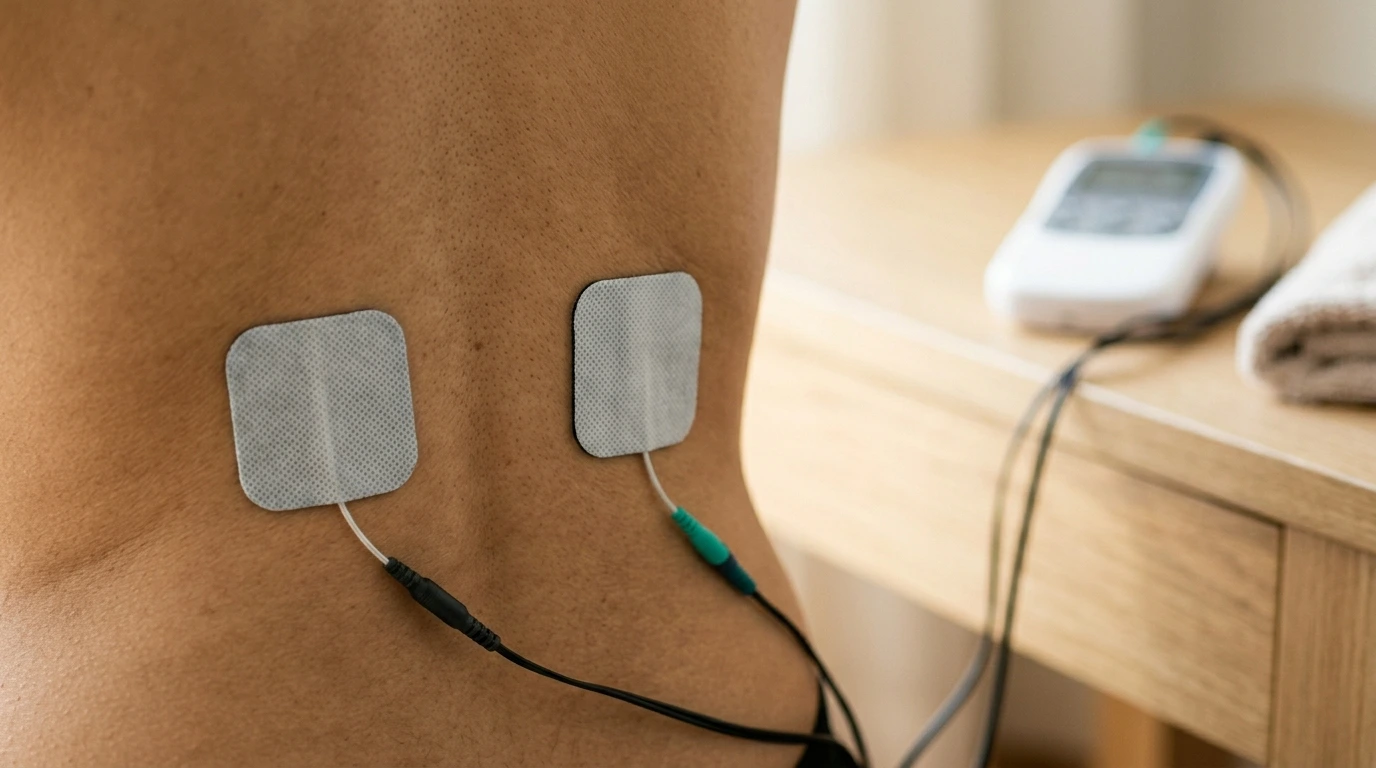
The first mistake is buying a single-mode device because it costs slightly less, then realising six months later that you needed both modes. The second mistake is buying without checking pad availability, since proprietary pads can become an expensive long-term frustration. The third mistake is starting at high intensity instead of building up gradually, which can cause skin irritation and put new users off the therapy permanently.
Final Thoughts on Choosing Between TENS and EMS
There is no universally correct answer to TENS versus EMS, only the right answer for your specific health situation. For most Pakistani households dealing with a mix of pain and muscle issues, a quality dual-mode unit from a reputable brand offers the best long-term value. Whichever device you finally choose, do not forget about the consumable that quietly determines whether your therapy actually works: keeping a steady supply of fresh TENS machine electrode pads is essential, because adhesion drops noticeably after 20 to 40 uses and old pads deliver weaker, less consistent stimulation that can put new users off the entire therapy. Quality FDA-approved electrode pads cost very little compared to the device itself, and replacing them every few weeks is the single easiest way to keep your TENS or EMS therapy delivering the relief it was designed to provide. With the right device, the right pads, and consistent technique, electrotherapy genuinely earns its place as one of the most useful medical investments a household can make.
Frequently Asked Questions (FAQs)
Q1: What is the main difference between TENS and EMS machines?
TENS targets sensory nerves to block pain signals, while EMS targets motor nerves to cause muscle contractions. TENS is used for pain relief; EMS is used for muscle strengthening, rehabilitation, and atrophy prevention. Many modern devices combine both functions.
Q2: Can I use TENS and EMS therapy on the same day?
Yes. Many users alternate TENS sessions for pain relief with EMS sessions for muscle conditioning during the same day. Just allow at least 30 to 60 minutes between sessions on the same body area to give the tissue time to recover.
Q3: Which is better for back pain – TENS or EMS?
TENS is generally better for back pain because it directly blocks pain signals and triggers endorphin release. EMS may help if the back pain is caused by weak supporting muscles. A combination unit lets you use both approaches as needed.
Q4: Are combination TENS plus EMS units worth the money?
For most home users, yes. The price difference between single-mode and dual-mode units is usually small, but the clinical flexibility is much greater. A combination unit handles pain, muscle weakness, post-injury recovery, and sports rehabilitation with one device.
Q5: How often can I safely use TENS or EMS therapy?
TENS can be used 3 to 4 times daily, 20 to 60 minutes per session. EMS is more intense and should be limited to 1 to 2 sessions of 15 to 30 minutes per day per body area, with a recovery gap between sessions just like physical exercise.
