- Your cart is empty
- Continue Shopping


Nebulizer Medicine for Kids: What Parents Need to Know
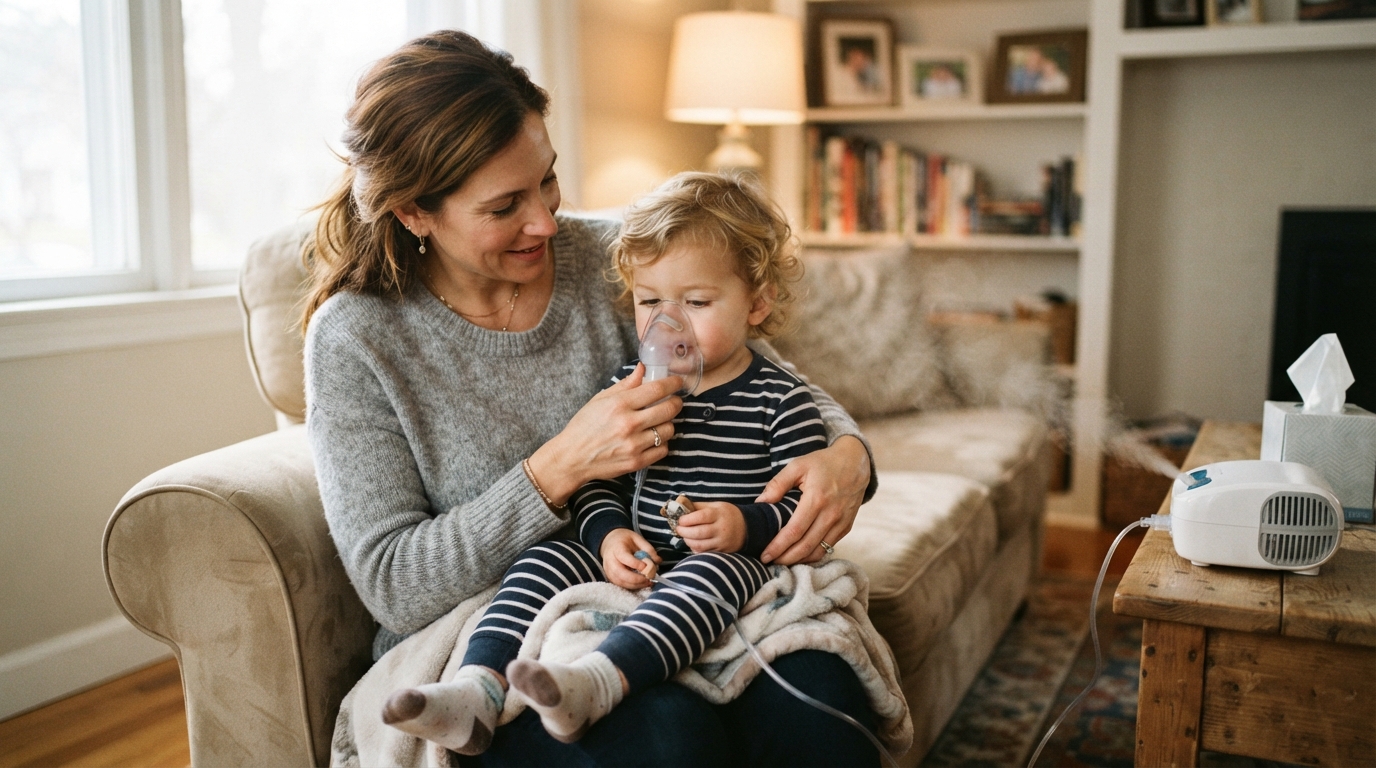
| Quick Answer Nebulizer medicine is safe for children when it is prescribed and dosed by a doctor for the child’s specific age and weight. Common medicines include salbutamol for wheezing, budesonide for airway inflammation, and plain saline for loosening mucus. The machine itself is safe, the danger comes only from guessing the dose or the medicine without medical guidance. |
A child struggling to breathe is one of the most stressful things a parent can watch, and a nebulizer is often the tool a doctor reaches for first because it delivers medicine directly to small airways rather than relying on a child cooperating with an inhaler technique they have not mastered yet. Before your first session at home, it helps to see the actual nebulizer machines available at Medical Supplies Pakistan so you know what a proper setup looks like. This guide covers the medicines commonly used for children in Pakistan, how dosage actually works, and what changes when the patient is small enough to still be afraid of the mask.
Common Nebulizer Medicines Used for Children in Pakistan
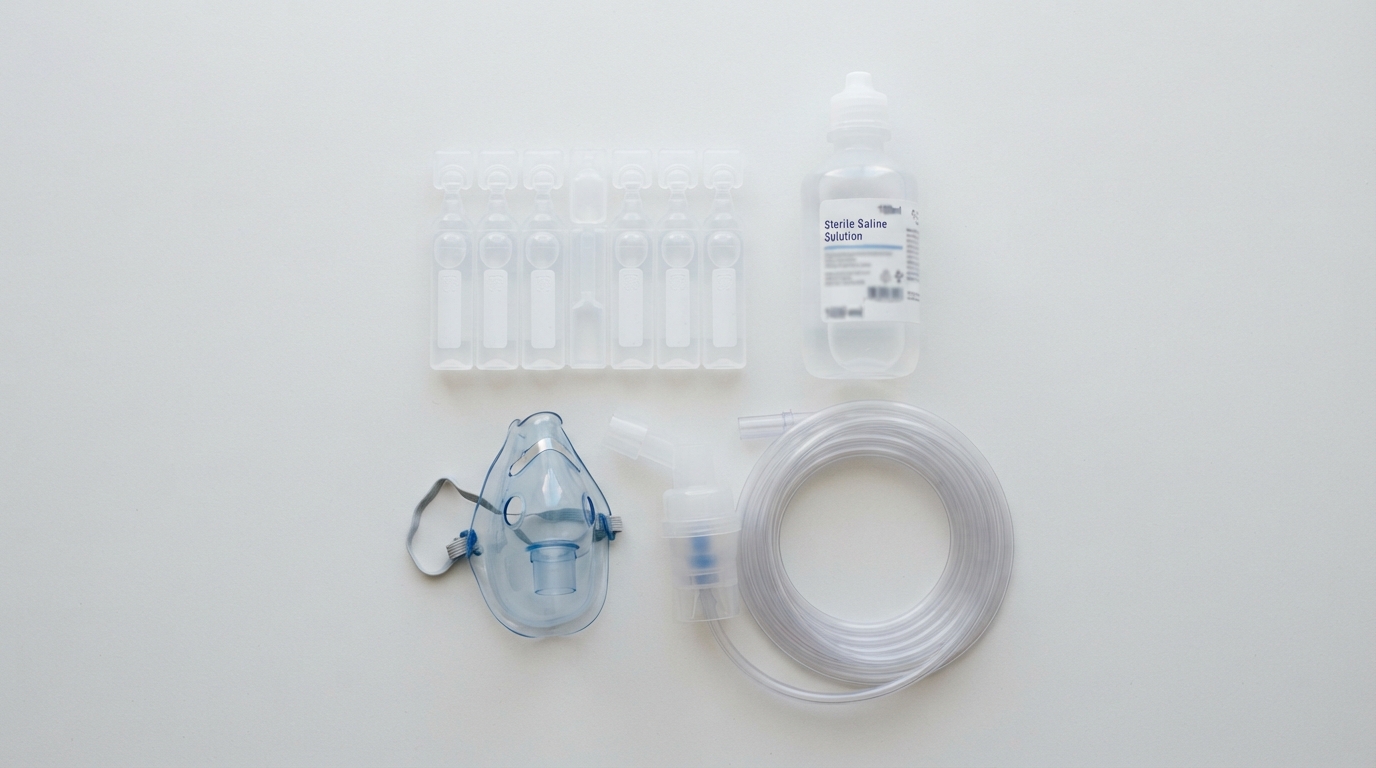
Most pediatric nebulizer treatments in Pakistan fall into a small handful of categories, and knowing what each one actually does removes a lot of the confusion parents feel reading a prescription for the first time.
| Medicine | Common Purpose | Typical Use Case |
| Salbutamol (Ventolin) | Opens airways quickly | Wheezing, asthma flare ups, acute coughing spells |
| Budesonide (Pulmicort) | Reduces airway inflammation | Ongoing asthma control, croup |
| Normal saline 0.9% | Loosens and thins mucus | Chest congestion, colds, before other medicine |
| Ipratropium bromide | Additional airway relaxant | Combined with salbutamol for stronger flare ups |
Salbutamol is by far the most commonly nebulized medicine for children in Pakistan, usually sold under the brand name Ventolin, and it is what most parents mean when they say their child needs a nebulizer treatment. Saline alone is also nebulized frequently, particularly for younger children with a simple chest cold rather than diagnosed asthma, since it does not carry the same medical considerations as an actual drug.
Dosage Basics: Always a Doctor’s Call, Not a Guess
This is the one section of this guide that matters more than any other. Nebulizer medicine dosage for children is based on weight and age, not on what worked for a neighbor’s child or what a pharmacy assistant suggests without seeing the child. Salbutamol nebules typically come in fixed concentrations for children, but how often they are used in a day, and whether they are combined with another medicine, should always come from a pediatrician or the doctor who diagnosed the underlying condition.
A genuinely dangerous but common mistake is repeating a nebulizer dose too frequently because a parent feels the first one did not work fast enough. Overuse of salbutamol in particular can cause a racing heartbeat and jitteriness in a small child, which is frightening on top of an already stressful breathing episode. If a dose does not seem to be helping within the time window a doctor specified, the right response is to contact the doctor or go to an emergency room, not to give another dose early.
Recognizing When a Nebulizer Session Is Actually Needed
Not every cough or slightly noisy breathing means a child needs a nebulizer treatment right away, and knowing the difference helps parents avoid both unnecessary anxiety and delayed care. Visible signs that genuinely warrant a treatment, following a doctor’s existing plan, include audible wheezing, breathing that looks faster or more labored than usual, and a child who is struggling to talk or feed normally because of breathing effort. A simple runny nose or mild cough without these signs usually does not need a nebulizer session at all, even if a parent has one at home for a diagnosed condition like asthma.
For a first time breathing episode that has never been formally diagnosed, the right step is a doctor’s visit before starting any nebulizer treatment at home, rather than borrowing a neighbor’s machine and medicine based on similar sounding symptoms. Two children who both wheeze can have entirely different underlying causes, and treating the wrong one delays the care that would actually help.
What to Keep on Hand for a Child on Regular Nebulizer Treatment
Families managing a child with recurring asthma or reactive airway episodes benefit from keeping a small, organized kit ready rather than searching for supplies during an actual flare up. This typically includes a properly sized mask for the child’s current age, since children outgrow infant masks faster than parents expect, a spare set of tubing, and enough of the prescribed medicine to avoid running out during an evening or weekend when pharmacies may be harder to reach quickly. Writing down the exact dose and timing instructions somewhere visible, rather than relying on memory during a stressful moment, is a small habit that prevents dosing mistakes when everyone in the house is anxious and moving quickly.
Choosing a Child Friendly Nebulizer Mask and Machine
The medicine only works if it actually reaches the lungs, and that depends heavily on mask fit and how calm the child stays during the session. Infants and toddlers need a soft, properly sized mask that seals gently around the nose and mouth without pressing hard enough to cause distress, since a poor seal means much of the medicated mist escapes into the room instead of being inhaled. For a full breakdown of what pediatric masks and machines typically cost, our dedicated guide to child nebulizer machine prices in Pakistan covers mask sizing in more detail.
Mesh nebulizers tend to work better for younger, more easily frightened children since they run almost silently, while compressor models are noisier but often more affordable and just as effective medically. If you are still comparing machines specifically for a baby or toddler, our roundup of nebulizer machines parents trust for babies is a useful next stop before ordering.
Cleaning and Hygiene: Keeping the Nebulizer Safe for Repeat Use
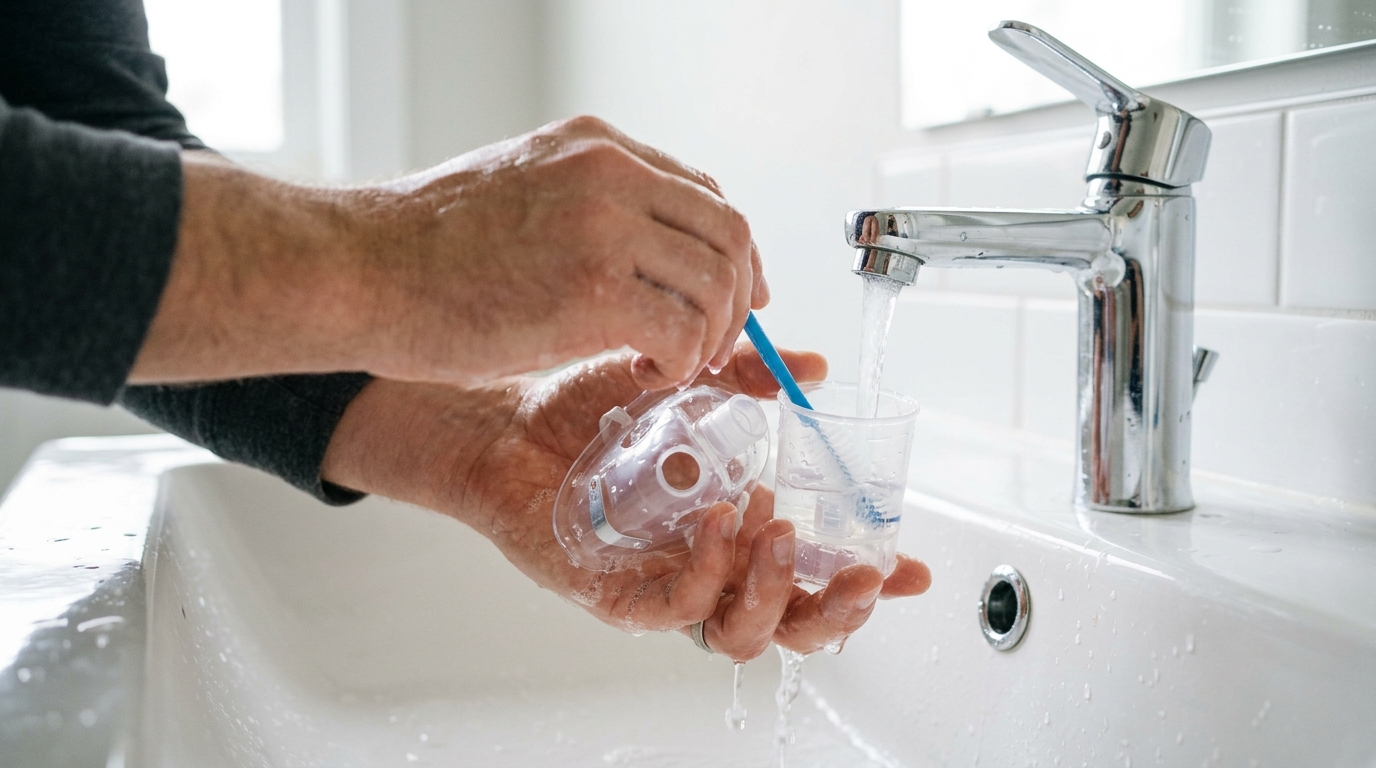
A nebulizer used regularly for a child needs consistent cleaning, since leftover medicine residue in the mask or medicine cup is exactly the kind of environment bacteria grow in, and a sick child is already more vulnerable than usual. After every single session, rinse the mask and medicine cup with warm water and let them air dry completely before storing. Once a week, a deeper clean using a manufacturer approved disinfectant or a mild vinegar solution keeps buildup from accumulating in places a quick rinse misses. Tubing should never be washed, only replaced once it looks discolored, since trapped moisture inside tubing is difficult to fully dry and can become a source of contamination.
You can browse general home care essentials, including replacement masks and cleaning accessories, in the Home Care Products section alongside the nebulizer range itself.
Frequently Asked Questions
Is nebulizer medicine safe for children?
Yes, when prescribed and dosed correctly by a doctor for the child’s age and weight. The medicine and the amount used should never be guessed or copied from another child’s prescription.
What is the most common nebulizer medicine given to kids in Pakistan?
Salbutamol, commonly known by the brand name Ventolin, is the most frequently nebulized medicine for children experiencing wheezing or asthma related breathing difficulty.
Can I use plain saline in a nebulizer for my child’s cold?
Yes, saline solution is commonly nebulized for younger children with chest congestion from a cold, and it does not carry the same dosing concerns as an actual medication.
How often can a child safely use a nebulizer in one day?
This depends entirely on the specific medicine and the doctor’s instructions. Repeating a dose earlier than instructed because it does not seem to be working fast enough is a common and risky mistake, contact a doctor instead.
Why does my child’s nebulizer mask matter so much? A poorly fitted mask lets medicated mist escape into the room instead of being inhaled, which means the child may not actually be receiving the full prescribed dose even if the session looks complete.
